Outfit layering advice 2026: master your style effortlessly
Anúncios
Outfit layering advice for 2026 focuses on selecting appropriate fabrics, coordinating colors, and choosing essential pieces for various occasions, ensuring comfort and style in any weather condition.
Outfit layering advice 2026 can elevate your daily style while keeping you comfortable.
Have you ever struggled with what to wear when the weather changes? Let’s explore how to master the art of layering.
Understanding the basics of layering
Understanding the basics of Outfit layering is essential to creating stylish outfits.
Layering can add depth and personality to your looks, allowing you to combine different pieces for a unique style. It also prepares you for temperature changes throughout the day.
Layering involves wearing multiple clothing pieces at once to create a cohesive and functional outfit. This technique not only enhances your style but also allows for flexibility.
Benefits of Layering
The benefits of layering go beyond aesthetics:
- Increased warmth during colder weather.
- Versatility in styling, allowing for multiple outfits.
- Creative expression through mixing textures and colors.
Choosing the right pieces is crucial for effective Outfit layering. Start with a base layer, usually a fitted top or tank, to provide a smooth foundation.
Next, add a middle layer, such as a sweater or long-sleeve shirt, for warmth. Finally, a top layer, like a jacket or coat, helps to complete the look. Each piece should work together to keep you comfortable while looking stylish.
As you experiment with layering, don’t hesitate to play with different fabrics. Lightweight fabrics like cotton or linen are great for the base layer, while thicker materials such as wool are perfect for the middle layer. This combination creates a comfortable yet visually appealing ensemble.
Outfit layering Techniques
Here are some techniques to enhance your layering skills:
- Vary the lengths of pieces—mix long and short items.
- Add accessories, such as scarves and belts, to elevate your outfit.
- Choose complementary colors and patterns to avoid clashing.
Ultimately, Outfit layering is about personal style and comfort. Don’t be afraid to experiment and find what works best for you.
With practice, you’ll master the art of layering, making it a fun and enjoyable way to express your fashion sense.
Choosing the right fabrics for layers
Choosing the right fabrics for Outfit layering is essential for creating that are both comfortable and stylish. The effectiveness of layered clothing depends not only on the number of pieces worn but also on how different materials work together to regulate temperature, manage moisture, and provide a balanced appearance.
Natural fabrics such as cotton, wool, and cashmere are popular choices because they offer breathability, warmth, and comfort. Lightweight cotton works well as a base layer, while wool and cashmere provide insulation during colder weather. Synthetic performance fabrics can also be useful, particularly for active lifestyles, as they help wick moisture away from the body and maintain comfort throughout the day.
When building layered outfits, consider the texture, weight, and function of each fabric. Combining lightweight and heavier materials creates depth without adding unnecessary bulk, while coordinating textures can enhance the overall look. By selecting fabrics thoughtfully, you can stay warm, comfortable, and fashionable across a variety of seasons and occasions.
Types of Fabrics
Different fabrics serve different purposes in Outfit layering:
- Cotton is breathable and ideal for base layers.
- Wool provides warmth and is perfect for mid-layers.
- Synthetic materials like polyester wick away moisture.
While cotton is great for warm weather, it can be heavy when layered improperly.
On the other hand, wool can trap heat and manage moisture, making it an excellent choice for cooler climates. Synthetic fabrics can complement natural ones, providing versatility.
Understanding Outfit layering Weights
When Outfit layering, consider the weight of the fabrics:
- Lightweight fabrics are best for summer layering.
- Mid-weight fabrics work well in spring and fall.
- Heavyweight fabrics are suitable for winter.
This layering system adds volume without bulk. Lightweight options can include t-shirts and blouses.
Mid-weight options include sweaters and cardigans, while heavyweight choices often consist of jackets and coats.
Always ensure that the fabrics you choose are comfortable against your skin. Avoid those that itch or cause irritation, as this can detract from your layered look. Soft fabrics can make all the difference.
Texture and Movement
The texture of your fabrics can impact your outfit’s overall appeal. Mixing textures adds visual interest. Pairing smooth fabrics with chunky knits creates balance. Aim for fabrics that move well together, allowing ease of wear.
Ultimately, choosing the right fabrics for layering involves consideration of comfort, style, and functionality.
Be adventurous and experiment with different combinations to find what works best for you. Pay attention to how they fit and feel, ensuring your layered outfits are both trendy and practical.
Essential layering pieces every wardrobe needs
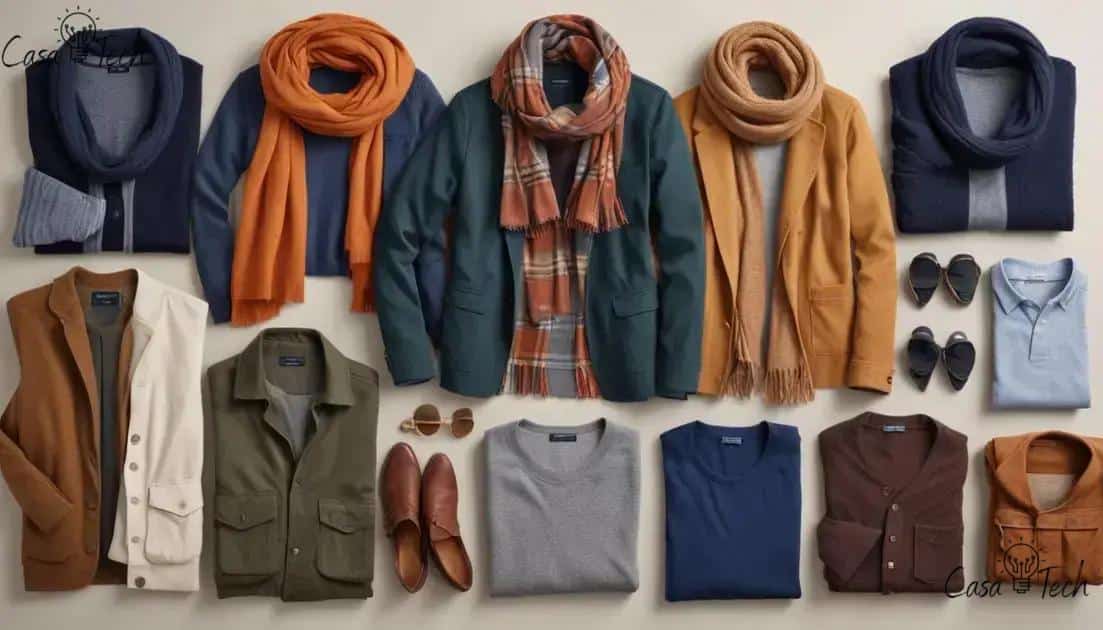
Essential layering pieces form the foundation of a versatile wardrobe, allowing you to adapt your outfits to changing temperatures, occasions, and personal style preferences.
By investing in a few well-chosen staples, you can create countless combinations while maintaining comfort and functionality throughout the year.
Key layering items often include basic T-shirts, lightweight sweaters, cardigans, button-down shirts, denim jackets, blazers, and versatile outerwear.
These pieces can be mixed and matched effortlessly, making it easier to transition from casual daytime looks to more polished evening or professional outfits. Neutral colors and timeless designs provide the greatest flexibility and long-term value.
Beyond style, layering pieces help improve practicality by allowing you to adjust to different weather conditions without completely changing your outfit.
A thoughtfully curated collection of essentials simplifies daily dressing, enhances outfit variety, and ensures you are prepared for a wide range of situations while maintaining a cohesive and fashionable appearance.
Basic Outfit layering Items
Every wardrobe should include a few basic items for effective layering:
- T-Shirts are perfect as a first layer. They are light and breathable.
- Long-Sleeve Tops add warmth and can be worn alone or under sweaters.
- Sweaters offer versatility and comfort, working well for both casual and formal looks.
These foundational pieces are your go-to options that can be easily mixed and matched.
It’s wise to have them in neutral colors, which easily blend with other items. However, don’t shy away from adding a few colors or patterns to express your style.
Outer Layers
An effective Outfit layering system is incomplete without outerwear:
- Jackets add a finishing touch while keeping you warm.
- Coats are essential for colder climates, providing style and function.
- Vests are lightweight and perfect for fickle weather.
Choosing the right outer layers can enhance your outfit while offering practical benefits. Look for options that complement your base and mid-layers.
Accessories also play an important role in layering. Scarves can serve both utility and style, adding warmth and color.
Similarly, cardigans offer layers that are easy to remove or add depending on the temperature. Always consider how your pieces work together. Ensure that each item provides comfort and fits well, ensuring a polished look.
Footwear and Bottoms
Don’t forget about your choices in footwear and bottoms when layering. Boots, for instance, can be stylish and warm, suitable for various occasions.
Leggings or tights can serve as a great base layer under dresses or skirts. When Outfit layering, think about the overall silhouette and how each piece contributes to your style.
Investing in these essential layering pieces allows you to build a versatile wardrobe. You’ll find that having these staples makes dressing quick and easy, giving you more time to express yourself through fashion.
Color coordination tips for layered outfits
Color coordination plays a crucial role in creating balanced and visually appealing layered outfits. The right color combinations can enhance your overall appearance, create a sense of cohesion, and make even simple wardrobe pieces look more polished and intentional.
A common approach is to build outfits around a neutral base, such as black, white, grey, beige, or navy, and then introduce complementary or accent colors through additional layers and accessories.
This method helps maintain harmony while allowing individual pieces to stand out without overwhelming the look. Understanding warm and cool color tones can also help create combinations that feel natural and well-coordinated.
When layering, consider not only the colors themselves but also their intensity and contrast. Mixing different shades within the same color family can create depth and sophistication, while strategic pops of color can add personality and visual interest.
By mastering color coordination, you can elevate your style effortlessly and create versatile outfits that feel both fashionable and cohesive.
Choosing a Color Palette
Start by selecting a color palette for your outfit. A simple way to do this is by sticking to three main colors.
This helps create balance without overwhelming your look. Choose one dominant color as a base, then add two accent colors for layers.
- Neutral colors such as black, white, or gray are great base colors.
- Use bold colors as accents to make a statement.
- Pastels work well together for a softer look.
Once you have your palette, consider how each layer interacts with the others. For example, pairing a neutral base with a vibrant mid-layer can create a striking contrast that attracts the eye without clashing.
Understanding Color Wheel Basics
The color wheel is a helpful tool for coordinating colors effectively. Colors that are opposite each other are known as complementary colors, such as blue and orange. These can add interest to your layered outfits when used wisely.
For a less bold approach, choose analogous colors, which are adjacent on the color wheel, like blue, green, and teal. This creates a more soothing effect.
Consider the seasons when choosing colors. Warm tones like red, yellow, and orange are perfect for fall and winter, while cool tones like blue, green, and purple shine in spring and summer.
Textures and Patterns
Don’t forget to think about textures and patterns in your color coordination. Mixing patterns can add depth and interest, but ensure that they complement each other.
Stripes and florals can work together if you keep the colors consistent. A striped top can look fantastic under a floral cardigan if they share similar hues.
Lastly, always remember that confidence is key when it comes to color coordination. Don’t be afraid to experiment and find what resonates with your personal style. The perfect layered outfit will stand out when you feel good in what you wear.
Layering for different weather conditions
Outfit layering for different weather conditions is essential for staying comfortable and stylish.
By adapting your layers, you can easily manage temperature changes throughout the day.
Understanding how to layer appropriately ensures you feel great no matter the weather.
Cold Weather Layering
In cold weather, layering is about insulation and protection from the elements. Start with a thermal base layer that fits snugly against your skin. This layer traps warmth while wicking moisture away.
Your next layer should be a middle layer, such as a fleece or sweater, to provide additional warmth. Finally, finish with an outer layer like a windproof and waterproof jacket to shield from harsh conditions.
- Choose fabrics that offer warmth without bulk, like merino wool.
- Incorporate accessories like hats, scarves, and gloves for extra protection.
- Layer socks for added warmth and comfort.
This combination will keep you cozy while allowing for easy removal of layers if you get too warm indoors.
Warm Weather Layering
Outfit layering in warm weather is all about keeping cool while still looking good. Start with lightweight fabrics that breathe well, such as cotton or linen. Your base layer should be a tank top or short-sleeve shirt.
Add a lightweight cardigan or a flowy shirt as your middle layer, which can be easily removed if the temperature rises. A summer jacket or a light wrap can serve as your outer layer for added style and protection from the sun.
- Select lighter colors to reflect sunlight and keep cool.
- Avoid heavy fabrics that trap heat, opting instead for breathable materials.
- Incorporate hats and sunglasses for sun protection.
This approach allows you to adapt to changing temperatures while remaining stylish.
Rainy Weather Layering
When it’s rainy, Outfit layering becomes a method of keeping dry and protected. Begin with a quick-dry base layer that won’t soak up water. Rain jackets are invaluable here, serving as your outer layer to keep you dry. A waterproof windbreaker can be a great choice.
Don’t forget about your footwear; waterproof shoes are essential to keep your feet dry. Use umbrella and backpacks that feature water-resistant materials for full protection against the elements. Layering for rain not only looks practical but can also be stylish.
Being prepared for varying weather conditions through effective layering is key. By understanding how different layers work together, you can achieve comfort, style, and practicality no matter the forecast.
Dressing for occasions with layers
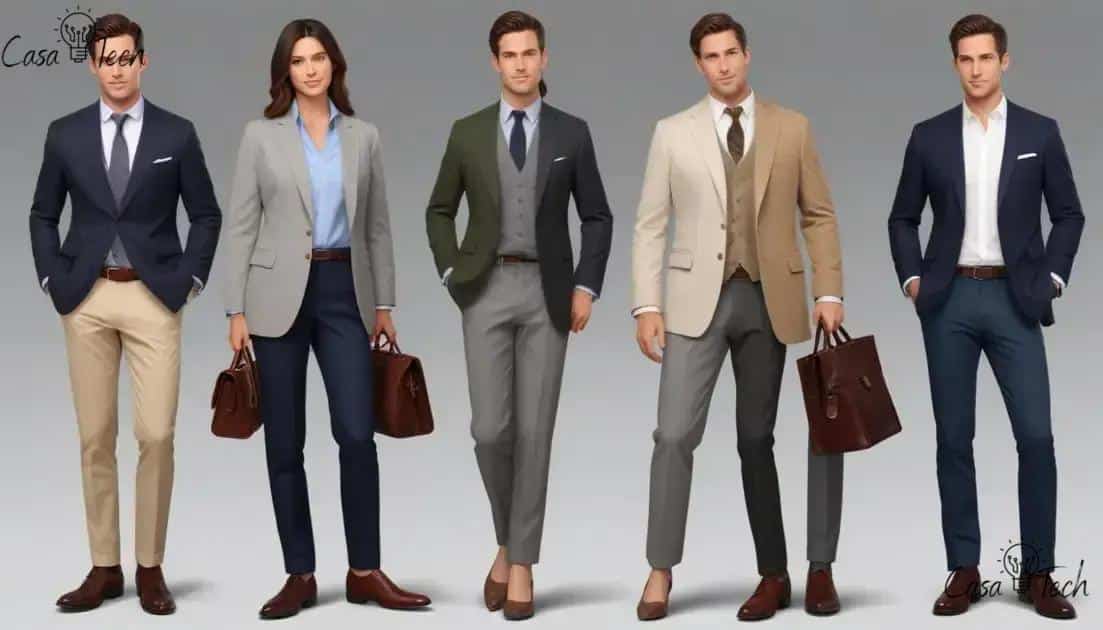
Dressing for occasions with layers can transform your look from casual to formal.
Understanding how to layer appropriately allows you to express your style while ensuring comfort for any event.
Casual Outings
For casual outings, layer simple pieces for a relaxed yet stylish appearance. Start with a basic t-shirt as your base layer.
Add a lightweight denim or utility jacket for some structure. If it gets chilly, a cozy cardigan can be a great mid-layer. Finish off with a pair of comfortable jeans or chinos.
- Choose breathable fabrics like cotton for comfort.
- Play with colors, utilizing lighter hues for a fresh look.
- Accessorize with a cap or a scarf to add personal flair.
This combination keeps you stylish and comfortable while allowing for easy adjustments. If the weather changes, you can easily remove a layer.
Office Attire
When dressing for work, Outfit layering can enhance professionalism while keeping you polished. Start with a button-up shirt as your base.
Overlay with a tailored blazer for a sharp look. You can add a lightweight sweater under the blazer if temperatures drop. Opt for dress pants or chinos to complete the outfit.
- Select neutral colors for a classic appearance.
- Use subtle patterns or textures to add interest.
- Choose shoes that match the level of formality required.
This layering style allows you to adjust based on office temperature and can easily transition from day to night.
Formal Events
Outfit layering for formal occasions requires more sophistication. Start with a well-fitted dress shirt as your base.
Add a vest over the shirt for added elegance. Proceed with a suit jacket as your outer layer. Ensure your trousers match the jacket for a cohesive look. Adding a tasteful tie or pocket square can elevate the outfit even more.
- Stick to classic colors like black, navy, or gray.
- Incorporate textures like silk or wool to add depth.
- Well-polished shoes are essential to complete your ensemble.
This approach not only ensures you look great but also keeps layers comfortable as the event progresses.
By understanding how to dress appropriately for various occasions using layers, you can achieve a polished look that adapts to your environment.
Let your personality shine through your Outfit layering choices, allowing you to feel confident no matter the setting.
FAQ – Frequently Asked Questions about Outfit Layering
What are the essential layers for a cold-weather outfit?
For cold weather, essential layers include a thermal base layer, a warm middle layer like a sweater, and a waterproof outer layer such as a coat.
How can I coordinate colors for my layered outfits?
Choose a palette of three colors: one dominant base, and two accent colors to create harmony. Look at the color wheel for complementary or analogous colors to enhance your outfit.
What fabrics should I use for layering?
Choose breathable fabrics like cotton for warmer weather, and thicker materials like wool or fleece for colder temperatures to ensure comfort and warmth.
How can I dress in layers for a formal occasion?
Start with a well-fitted shirt, add a vest, and complete the look with a suit jacket. Ensure your trousers match the jacket for a polished appearance.