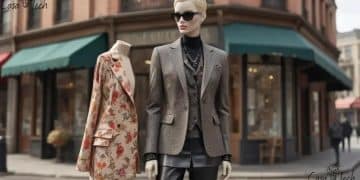
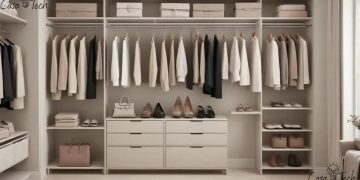
Layered outfit styling 2026: elevate your fashion game
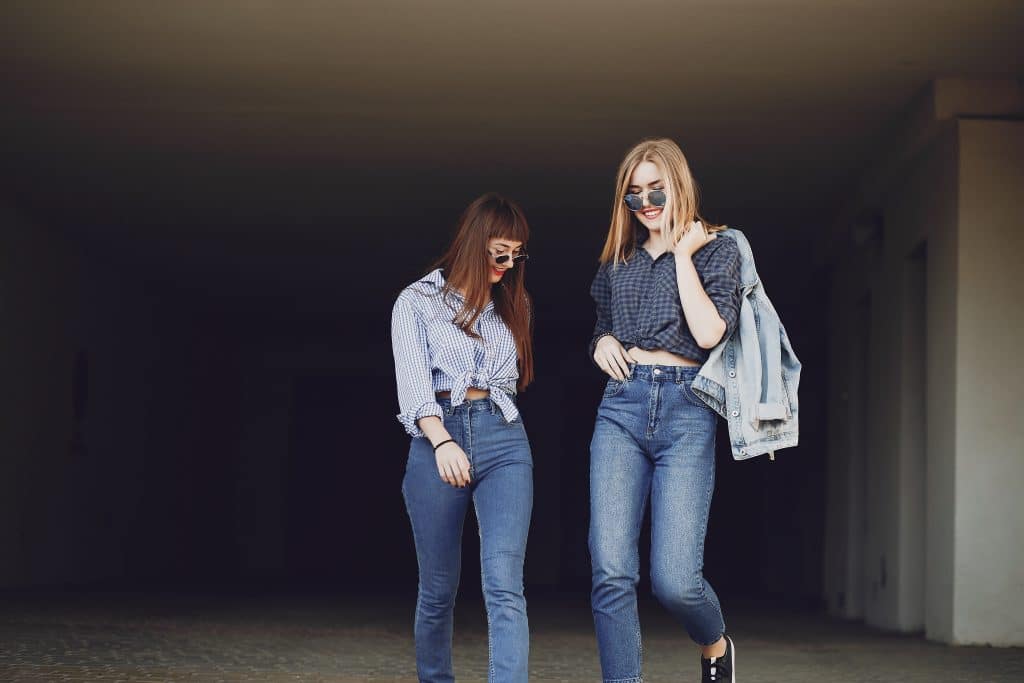
Anúncios
Layered outfit styling involves combining various clothing pieces, such as base layers, middle layers, and outer layers, to create depth and functionality while maintaining style and comfort in your wardrobe.
Layered outfit styling 2026 is all about creating unique fashion statements with depth and creativity.
Have you considered how layering can transform your daily look? Let’s dive into tips and insights to elevate your style.
Understanding layered outfit styling
Understanding layered outfit styling is essential for creating unique and versatile looks. This technique allows you to express your personal style while adapting to different weather conditions.
By mastering layering, you can combine various textures, colors, and patterns to elevate your wardrobe.
At its core, layered outfit styling involves wearing multiple clothing pieces on top of one another. This not only adds depth to your outfit but also lets you play with proportions.
Think of it as a creative way to mix and match various items that you may already own.
Benefits of layering
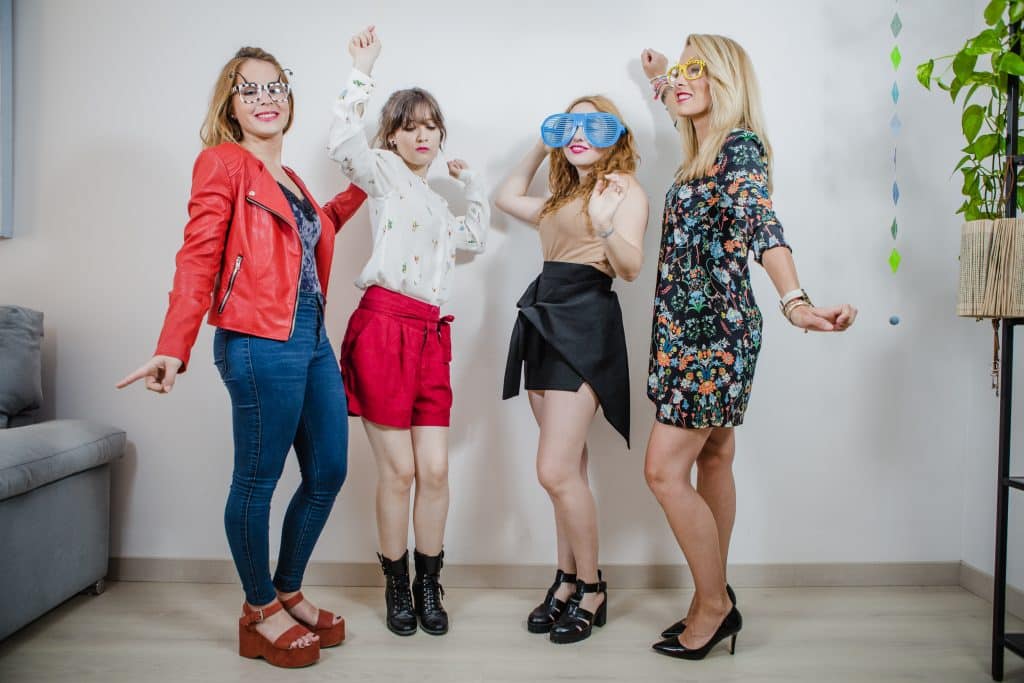
- Enhances creativity in fashion choices
- Provides warmth and comfort during colder months
- Allows for easy transformation from day to night looks
When you layer effectively, you open up a world of possibilities in your fashion choices. Mixing different fabrics, like denim, cotton, and wool, can create a sense of visual interest. Don’t be afraid to combine unexpected items, this is what makes layering fun.
How to get started with layering
Begin with a base layer, such as a fitted tee or tank top. This should be comfortable and complement your body shape.
Next, add a middle layer, like a cardigan or lightweight sweater, to break up the outfit. Finally, finish with a top layer, such as a jacket or oversized coat. This adds structure and makes a statement.
Remember to consider color and texture when layering. The right combination can elevate an ordinary outfit into something special. Keep experimenting with different clothes until you find your unique style.
Key pieces for successful layering
Key pieces for successful layering can completely transform a wardrobe by making outfits more versatile, stylish, and adaptable to changing weather conditions. Choosing the right clothing items allows you to create balanced looks that combine comfort, functionality, and personal style.
Essential layering pieces often include fitted base tops, lightweight turtlenecks, cardigans, denim jackets, blazers, trench coats, knit sweaters, scarves, and neutral outerwear. These items work well together because they can easily be mixed, matched, and adjusted depending on the season and occasion.
Fashion specialists emphasize the importance of selecting versatile pieces in complementary colors and comfortable fabrics. Building a wardrobe with layering essentials helps create outfits that feel polished and practical while allowing for greater creativity and flexibility in everyday styling.
Essentials for layering
- Base layers: Lightweight tops such as t-shirts or tank tops are great starts.
- Middle layers: Look for cardigans, lightweight sweaters, and button-up shirts.
- Outer layers: Jackets and coats are ideal for adding warmth and style.
Starting with a good base is crucial. A fitted base layer keeps things comfortable and allows you to add more pieces without bulk.
The middle layers play a significant role in adding texture and warmth. Experimenting with different cuts and weights can make a big difference.
Incorporating accessories
Accessories can elevate a layered outfit. Scarves and belts add dimensions and help tie different layers together.
A thoughtful accessory choice not only enhances your look but provides functional benefits as well, like warmth in colder months.
Don’t forget about colors and patterns. When selecting pieces for layering, consider how they interact with each other. Mixing patterns can be tricky, but with practice, you can master this skill and make your outfit cohesive.
How to mix patterns and textures
Knowing how to mix patterns and textures can significantly elevate layered outfits by adding depth, personality, and visual interest. When done correctly, this styling technique creates looks that feel more dynamic, fashionable, and expressive without appearing overwhelming.
The key to successful mixing lies in balance and coordination. Combining different textures such as knitwear, denim, leather, cotton, or wool helps create contrast, while patterns like stripes, florals, plaids, or subtle prints can add character to the outfit. Maintaining a cohesive color palette helps unify these elements and keeps the overall look harmonious.
Fashion specialists recommend starting with one dominant texture or pattern and building around it with complementary pieces. By understanding how fabrics, colors, and prints interact with one another, it becomes easier to create layered outfits that feel polished, balanced, and full of personal style.
Understanding patterns
Understanding different patterns is an important step in creating stylish and visually balanced outfits. Patterns such as stripes, polka dots, florals, plaids, and geometric prints each bring a unique personality and energy to a look, helping outfits feel more dynamic and expressive.
Fashion specialists often recommend mixing patterns thoughtfully by balancing scale and color coordination. For example, pairing a large floral print with smaller polka dots or subtle stripes can create contrast and visual interest while still maintaining harmony within the outfit.
Keeping a cohesive color palette is essential when combining multiple patterns. Harmonious colors help tie the pieces together, allowing the outfit to feel intentional rather than overwhelming. With the right balance of scale, texture, and color, pattern mixing can create bold yet elegant fashion combinations.
Mixing textures
- Use different materials like denim, cotton, and wool to add depth.
- Incorporate shiny fabrics with matte finishes for contrast.
- Combine heavy and light textures for balance.
When mixing textures, think about how they interact visually and physically. A soft sweater over a structured shirt can create an interesting dynamic. Pay attention to the weight of fabrics; heavier pieces can anchor lighter ones effectively.
Color coordination
Color coordination can make or break your outfit when mixing patterns and textures. Stick to a color palette to create cohesion.
For example, choose a set of colors that work well together, like pastels or bold jewel tones. This will ensure that the outfit appears intentional, rather than chaotic.
Don’t shy away from experimenting. The more you mix, the more you discover what works for you. Remember, fashion is about expressing your style, so trust your instincts. With practice, you’ll become adept at mixing patterns and textures confidently.
Seasonal layering tips for 2026
Seasonal layering tips for 2026 focus on combining comfort, versatility, and personal style while adapting to changing temperatures throughout the year. Understanding how to layer clothing effectively helps create outfits that remain both practical and fashionable across different seasons.
A successful layered look usually starts with a lightweight and breathable base layer, followed by middle layers that add warmth and texture, and finished with an outer layer designed for protection and style. Fabrics, proportions, and color coordination all play important roles in maintaining a balanced and polished appearance.
Fashion specialists emphasize that layering trends in 2026 continue to favor comfort-driven styling, textured fabrics, neutral palettes, and versatile wardrobe pieces. By adjusting layers according to weather conditions and combining textures thoughtfully, it becomes easier to stay stylish, comfortable, and prepared for seasonal changes throughout the year.
Spring layering strategies
Spring layering is all about balancing comfort and versatility as temperatures shift throughout the day. Starting with a light base layer, such as a short-sleeve shirt or breathable top, helps create a fresh and comfortable foundation for the outfit.
Adding a cardigan or denim jacket as a middle layer provides extra warmth during cooler mornings and evenings without making the outfit feel too heavy. These lightweight layers also make it easier to adapt to changing weather conditions throughout the season.
Fashion specialists recommend incorporating accessories like light scarves to add texture, style, and subtle warmth to spring outfits. Combining breathable fabrics with flexible layers helps create looks that feel practical, comfortable, and effortlessly stylish during transitional weather.
Summer layering insights
- Choose breathable fabrics like cotton or linen.
- Opt for lightweight kimonos rather than heavy jackets.
- Layer tanks under sheer tops for added style and comfort.
During summer, layering is about keeping cool while staying stylish. Use light layers that you can easily remove if it gets too warm. This way, you keep your outfit fresh and adaptable throughout the day.
Fall layering techniques
Winter layering methods
Winter calls for robust layers that trap warmth. Begin with a thermal base layer, then add a thick sweater or fleece.
Finish with a durable winter coat. Accessories like hats, gloves, and scarves not only provide warmth but also finish off your outfit beautifully.
Given these tips for seasonal layering in 2026, you can confidently mix and match pieces to create stylish outfits suitable for any season. Clever layering enhances both your fashion and comfort.
Accessories that complement layered outfits
Accessories play an important role in enhancing layered outfit styling by adding personality, balance, and visual interest to a look. The right accessories can help tie different clothing pieces together while bringing extra style and functionality to an outfit.
Items such as scarves, hats, belts, jewelry, handbags, and boots can complement layered looks without overwhelming them. Accessories also provide opportunities to introduce texture, subtle color contrasts, or statement details that elevate even simple outfits.
Fashion specialists emphasize that well-chosen accessories help create more polished and intentional styling. When combined thoughtfully with layered clothing, accessories can enhance proportions, highlight personal style, and make outfits feel more complete and visually balanced.
Types of accessories to consider
- Scarves: These versatile pieces can bring warmth and flair.
- Belts: A belt can define your waist and pull an outfit together.
- Hats: Choose between beanies, fedoras, or wide-brimmed hats to add character.
Scarves are particularly effective for layering; they can be worn in various ways, allowing for creativity.
A lightweight scarf can add a pop of color or pattern without adding bulk. Belts also serve both a practical and stylistic purpose. They can accentuate your figure and add a chic element to any layered outfit.
Jewelry choices
When accessorizing layered outfit styling, jewelry can make a significant impact. Layered necklaces can complement your neckline, while statement earrings can draw attention to your face.
Stacking bracelets or rings creates a fun, bohemian vibe. Choose pieces that reflect your personal style and balance well with your outfit.
Remember that while accessories are great at enhancing your look, moderation is key. Too many accessories can overwhelm your outfit. Strive for balance by choosing a few standout pieces that harmonize with your layers.
Common mistakes in layered outfit styling
Common mistakes in layered outfit styling can make even well-chosen clothing pieces look unbalanced or uncomfortable. Understanding these styling errors is important for creating outfits that feel cohesive, fashionable, and practical throughout different seasons.
One frequent mistake is over-layering, which can create excessive bulk and hide the structure of the outfit. Other common issues include mixing too many colors or patterns, choosing fabrics that do not complement each other, and ignoring proportions when combining oversized or fitted pieces.
Fashion specialists recommend focusing on balance, texture coordination, and a cohesive color palette when building layered looks. By selecting purposeful layers and combining pieces thoughtfully, it becomes easier to create stylish outfits that feel polished, comfortable, and visually harmonious.
Overloading with layers
One of the most common mistakes in layering outfit styling is wearing too many pieces at the same time, which can create a bulky and unbalanced appearance. Excessive layering may hide the overall structure of the outfit and make the look feel visually heavy rather than stylish.
Fashion specialists often recommend limiting an outfit to three or four well-planned layers to maintain balance and comfort. Each layer should serve a clear purpose, whether adding warmth, texture, contrast, or visual interest to the overall look.
Choosing lightweight fabrics, coordinating colors carefully, and varying textures strategically can help create layered outfits that feel polished and effortless. A balanced layering approach allows each piece to complement the others while keeping the outfit comfortable, functional, and visually appealing.
Ignoring proportions
- Mixing long and short items can add interest.
- Avoid wearing all fitted or all oversized pieces.
- Choose layers that complement your body shape.
Another mistake is failing to consider proportions. If all your layers are the same length, it can make the outfit look flat.
Mixing long and short items can create depth. Play with different lengths to find a balanced silhouette that flatters your figure.
Clashing colors and patterns
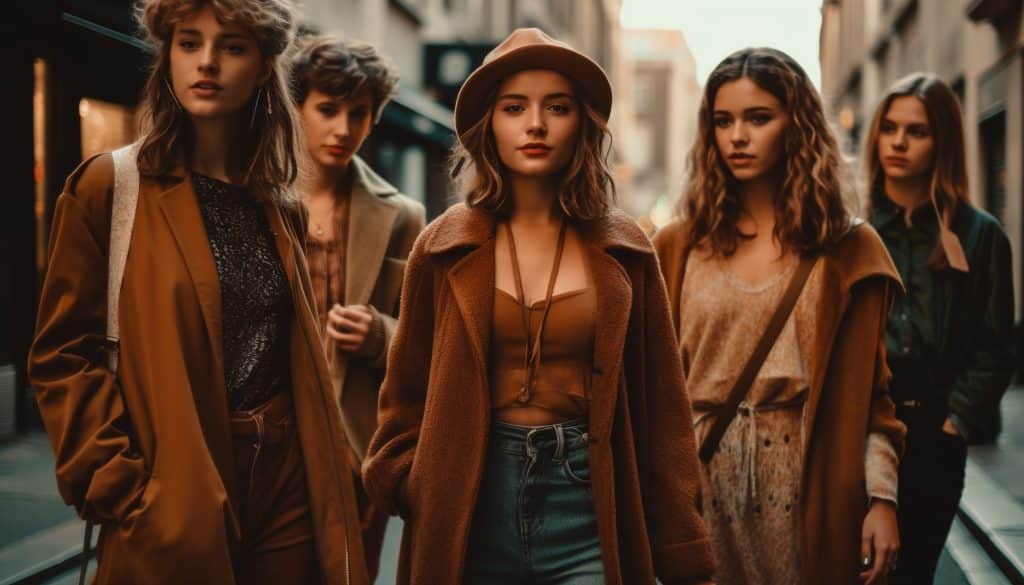
Using clashing colors or overly busy patterns can easily overwhelm an outfit and disrupt the balance of a layered look. Creating a cohesive color palette is essential for achieving a polished and visually harmonious style, especially when combining multiple clothing pieces and textures.
Fashion specialists often recommend choosing one dominant color as the foundation of the outfit and incorporating complementary tones or neutral shades to support it. Colors such as beige, black, white, gray, olive, brown, or denim can help soften stronger tones while maintaining elegance and balance.
Thoughtful color coordination allows layers to look intentional rather than chaotic. By combining shades carefully and limiting excessive pattern mixing, it becomes easier to create outfits that feel stylish, balanced, and comfortable while still expressing personality and creativity.
Neglecting comfort
Layering should also feel comfortable. Wearing layers that are too tight or scratchy can be distracting.
Ensure that your base layer is breathable and the outer layers allow freedom of movement. Fashion is fun, but comfort should always come first!
By avoiding these common mistakes, you can improve your layered outfit styling and express your unique style. Embrace layering as a way to showcase your creativity while keeping fit and comfort in mind.
FAQ – Common Questions About Layered Outfit Styling
What are the best layers to start with?
Begin with a fitted base layer, such as a t-shirt or tank top. Add a middle layer like a cardigan or light sweater, and finish with an outer layer such as a stylish jacket.
How can I mix patterns effectively?
When mixing patterns, choose a dominant pattern and pair it with simpler, complementary patterns. Ensure that the colors work well together to create a cohesive look.
What accessories should I use to enhance layered outfit styling?
Scarves, belts, and hats are great accessories to enhance layered outfits. They can add color, texture, and a personal touch to your style.
How do I avoid looking bulky with layers?
To avoid bulkiness, limit your layers to 3-4 pieces and ensure they are well-fitted. Combine different lengths to create a balanced silhouette.