2026 Sustainable Fashion Trends and Wardrobe Strategies
Anúncios
Sustainable fashion wardrobe tips include choosing eco-friendly fabrics, embracing upcycling and thrifting, and maintaining your clothing to minimize environmental impact and extend garment lifespan.
Sustainable fashion wardrobe tips 2026 are becoming essential for those looking to make a positive impact.
Have you thought about how your clothing choices affect the planet? Let’s explore how to dress stylishly while caring for our environment.
Understanding sustainable fashion
Understanding sustainable fashion is essential as we strive to make more responsible choices in our wardrobes.
This concept focuses on creating clothing in a way that is environmentally friendly and socially responsible. But what does that really mean for us as consumers?
Sustainable fashion refers to a design approach that prioritizes eco-friendly materials and ethical labor practices.
This means considering everything from the materials used to the manufacturing processes, ensuring that our clothing choices do not harm the planet.
Key Principles of Sustainable Fashion
Some principles you can consider when thinking of sustainable fashion include:
- Eco-Friendly Materials: Choosing fabrics made from organic or recycled materials decreases environmental impact.
- Ethical Labor Practices: Supporting brands that ensure fair wages and safe working conditions for their workers.
- Reducing Waste: Opting for quality over quantity can minimize waste and lower demand for fast fashion.
By supporting sustainable fashion, we are not just making a choice about clothing; we are contributing to a broader movement that aims to protect our planet.
Many brands today are adopting sustainable practices, making it easier for us to participate. Just imagine shopping knowing your selections promote harmony with nature!
Furthermore, sustainable fashion encourages us to think critically about what we wear and why we wear it.
It’s an invitation to explore different ways to express ourselves while being mindful of our environmental footprint. By making informed choices, you can build a wardrobe that reflects your values.
The Impact of Fast Fashion
The rise of fast fashion has created a cycle of overconsumption. It leads us to purchase clothing often without considering the long-term impact.
Fast fashion is characterized by quick production methods and cheap materials, which can be harmful to both the environment and workers.
Understanding the implications is crucial. It allows us to appreciate the value of sustainable practices while fostering a deeper connection to our clothing.
We can shift toward a more sustainable approach by buying less, choosing wisely, and caring for our clothes better.
Building a capsule wardrobe
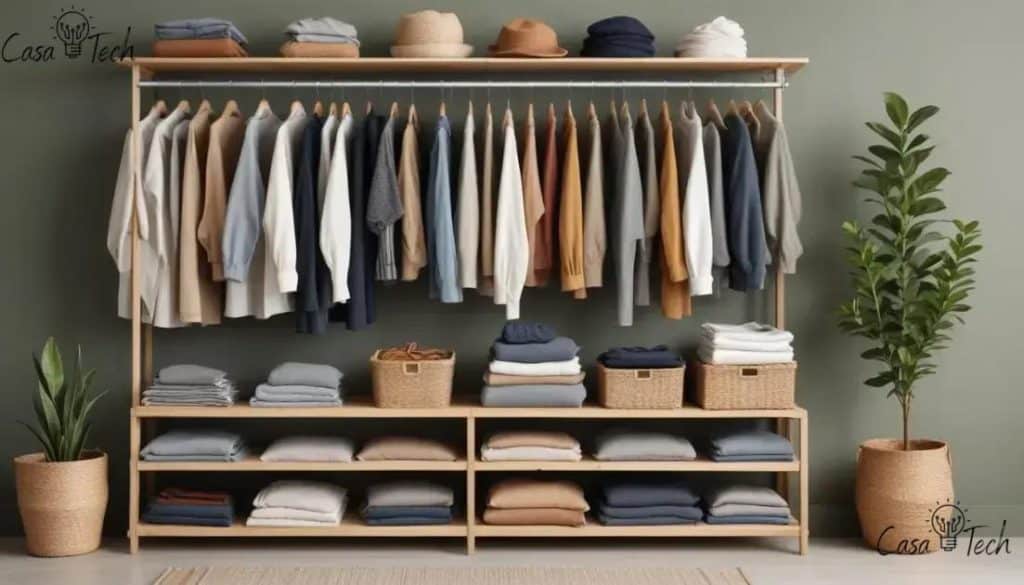
Building a capsule wardrobe is an effective way to simplify daily outfit decisions while supporting a more sustainable approach to fashion. A capsule wardrobe focuses on quality over quantity, consisting of a carefully selected collection of versatile clothing pieces that work well together and can be worn in multiple combinations.
The foundation of a capsule wardrobe typically includes timeless essentials such as well-fitting jeans, neutral tops, classic outerwear, comfortable shoes, and other staple items suited to your lifestyle and climate. By choosing pieces that coordinate easily in terms of color, style, and functionality, it becomes easier to create a variety of outfits without needing a large number of garments.
Beyond convenience, a capsule wardrobe encourages mindful consumption and reduces unnecessary purchases. Investing in durable, versatile pieces that you genuinely enjoy wearing can help minimize waste, extend the lifespan of your clothing, and create a wardrobe that is both practical and aligned with sustainable fashion principles.
What is a capsule wardrobe?
A capsule wardrobe typically contains around 30-40 pieces that include tops, bottoms, dresses, and outerwear.
The goal is to create a cohesive look without needing countless items.
This approach not only saves time when deciding what to wear but also reduces the need for constant shopping.
Benefits of Having a Capsule Wardrobe
By adopting a capsule wardrobe, you can enjoy several benefits:
- Saves Time: With fewer choices, your morning routine becomes quicker and less stressful.
- Reduces Clutter: A minimalist approach helps keep your closet organized and manageable.
- Encourages Mindful Shopping: You’ll be more intentional about the pieces you add to your collection.
Building this type of wardrobe involves selecting items based on your personal style and lifestyle needs. Start by identifying your favorite colors and fabrics; this will make it easier to combine pieces seamlessly.
Think about your daily activities, too. Do you need professional attire, casual wear, or workout clothes? Make sure your capsule reflects your lifestyle.
Next, invest in quality over quantity. Look for versatile items that can be dressed up or down, such as a simple black dress or classic denim jeans. When you find clothing that fits well and feels good, it will likely become a staple in your capsule wardrobe.
Tips to Build Your Capsule Wardrobe
Here are some practical tips to help you get started:
- Assess Your Current Wardrobe: Decide which pieces you currently wear and which ones you can let go of.
- Choose a Color Palette: Stick to a few colors that can be easily mixed and matched.
- Include Timeless Basics: Invest in classic items that won’t go out of style, such as a white button-up shirt.
Once you have your capsule wardrobe in place, you’ll find that getting dressed becomes less of a chore.
Plus, you’ll be making more sustainable fashion choices that benefit both you and the environment. Remember, a capsule wardrobe is about personal expression while maintaining a responsible approach to fashion.
Choosing eco-friendly fabrics
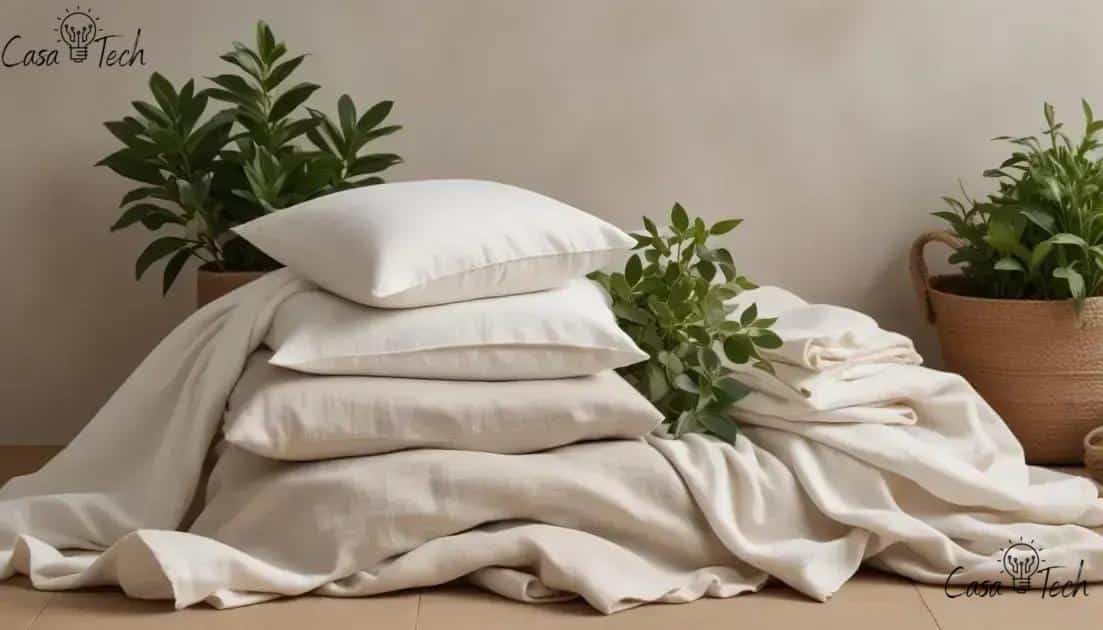
Choosing eco-friendly fabrics is an important step toward building a more sustainable wardrobe. The materials used in clothing production can influence water consumption, energy use, greenhouse gas emissions, and waste generation, making fabric selection a key factor in reducing environmental impact.
Sustainable fabric options such as organic cotton, hemp, linen, TENCEL™ lyocell, and recycled fibers are often favored because they can require fewer resources and create less environmental strain than many conventional textiles. These materials are increasingly used by brands seeking to promote responsible production practices and offer consumers more environmentally conscious choices.
Understanding the characteristics of different fabrics allows shoppers to make informed purchasing decisions. By prioritizing durable, responsibly sourced materials and choosing quality garments designed to last, individuals can create a wardrobe that supports both personal style and long-term sustainability goals.
What are eco-friendly fabrics?
Popular Types of Eco-Friendly Fabrics
Here are some widely recognized eco-friendly fabrics:
- Organic Cotton: Grown without harmful pesticides, organic cotton is soft and safe for both the environment and your skin.
- Linen: Made from the flax plant, linen is biodegradable and requires less water to grow compared to cotton.
- Tencel: Derived from sustainably sourced wood, Tencel is manufactured through a closed-loop process, recycling water and solvents.
By opting for these fabrics, you not only reduce your ecological footprint but also enjoy high-quality, durable clothing.
It’s essential to be aware of fast fashion alternatives that often use cheap synthetic materials. These materials are less sustainable and contribute to pollution.
Choosing eco-friendly options also encourages textile innovation. Brands are increasingly experimenting with recycled materials and natural dyes.
This innovation leads to beautiful, unique fabrics that lessen our environmental impact. When shopping, look for labels that indicate sustainable practices.
How to Identify Eco-Friendly Fabrics
To make informed choices, pay attention to the following:
- Certification Labels: Look for certifications like GOTS (Global Organic Textile Standard) and OEKO-TEX that guarantee sustainable practices.
- Material Composition: Check the labels to see if the fabric is made from organic or recycled materials.
- Brand Transparency: Research brands that openly share their sustainability efforts and production methods.
Understanding these aspects helps you build a more sustainable wardrobe while also showcasing your unique style. By choosing eco-friendly fabrics, you contribute to a healthier world and inspire others to do the same.
Upcycling and sustainable practices
Upcycling and sustainable practices play a vital role in the world of sustainable fashion.
Upcycling is the process of taking old or discarded items and transforming them into something new and valuable.
This practice not only reduces waste but also encourages creativity and innovation.
What is Upcycling?
Upcycling differs from traditional recycling because it focuses on transforming existing materials or products into items of equal or greater value without breaking them down into raw materials. Rather than processing materials through industrial methods, upcycling relies on creativity and design to give old items a new purpose.
Examples of upcycling include turning worn jeans into a tote bag, converting fabric scraps into home décor pieces, or redesigning a vintage dress into a contemporary garment. These projects allow individuals to refresh and personalize existing items while extending their useful life and reducing waste.
This approach plays an important role in sustainable fashion and conscious consumption. By giving new life to materials that might otherwise be discarded, upcycling helps reduce landfill waste, conserves resources, and encourages a more creative and environmentally responsible relationship with clothing and everyday products.
Benefits of Upcycling
There are numerous benefits to consider when you embrace upcycling:
- Reduces Waste: By utilizing materials that might be discarded, we contribute less to landfills.
- Saves Resources: Upcycling can minimize the need for new materials, which often require significant energy and resources to produce.
- Encourages Creativity: It inspires us to think outside the box and find new uses for old items.
In addition to upcycling, adopting other sustainable practices is essential for a more eco-friendly wardrobe.
One effective method is to buy second-hand clothing, which greatly reduces the demand for new fashion production. Thrifting not only finds you unique items but also supports charities and local businesses.
Moreover, maintaining and caring for your clothes can extend their lifespan. Simple actions like washing in cold water, air drying, and repairing damaged items can make a big difference.
These practices encourage a more sustainable approach to fashion by promoting longevity instead of disposability.
Combining Upcycling with Other Sustainable Practices
Integrating upcycling with other sustainable practices can create a powerful impact. Here are some tips:
- DIY Projects: Get creative with old clothing or fabric scraps to design your own unique pieces.
- Community Workshops: Participate in or organize workshops focused on upcycling and sustainable practices to share ideas and learn from others.
- Social Media Inspiration: Follow upcycling communities online for fresh ideas and motivation to start your projects.
By embracing upcycling and sustainable practices, we can contribute to a healthier planet. This movement not only fosters innovation but also empowers consumers to make thoughtful choices.
Together, we can shift the narrative around fashion and inspire others to take part in a more sustainable future.
Shopping second-hand and thrifting
Why Choose Second-Hand Clothing?
Buying second-hand clothing offers several benefits. Not only does it save you money, but it also gives previously loved items a second chance.
Many people donate clothing that is still in good condition, allowing others to enjoy them.
This process ultimately extends the lifespan of garments and minimizes the environmental impact.
Benefits of Thrifting
Thrifting also provides a unique shopping experience. Here are some of the key advantages:
- Cost-Effective: Thrift stores often offer clothing at a fraction of the original price.
- Unique Finds: You can discover one-of-a-kind items that you won’t find in regular retail stores.
- Support for Local Charities: Many thrift stores benefit local charities or organizations.
As you explore thrift shops, keep an eye out for high-quality materials and timeless pieces. Inspiring finds can often turn out to be hidden gems. Pairing them with other items from your wardrobe can help create fresh new outfits.
Furthermore, thrifting encourages us to be creative. You can easily update older garments with new accessories or make simple alterations to fit your style. This idea of reusing clothing leads to a more sustainable approach to fashion.
Tips for Successful Thrifting
To get the most out of your thrift shopping experience, consider these tips:
- Visit Often: Stock varies frequently, so make it a habit to check in on your favorite stores.
- Try Everything On: Sizes can differ greatly, and trying items on helps ensure a good fit.
- Be Patient: Not every trip will yield great finds—patience is key!
By choosing second-hand clothing and thrift shopping, you actively participate in a more sustainable fashion movement.
You contribute to less waste while finding unique styles that reflect your personality. Each purchase becomes a step toward a more eco-friendly lifestyle.
Maintaining your sustainable wardrobe
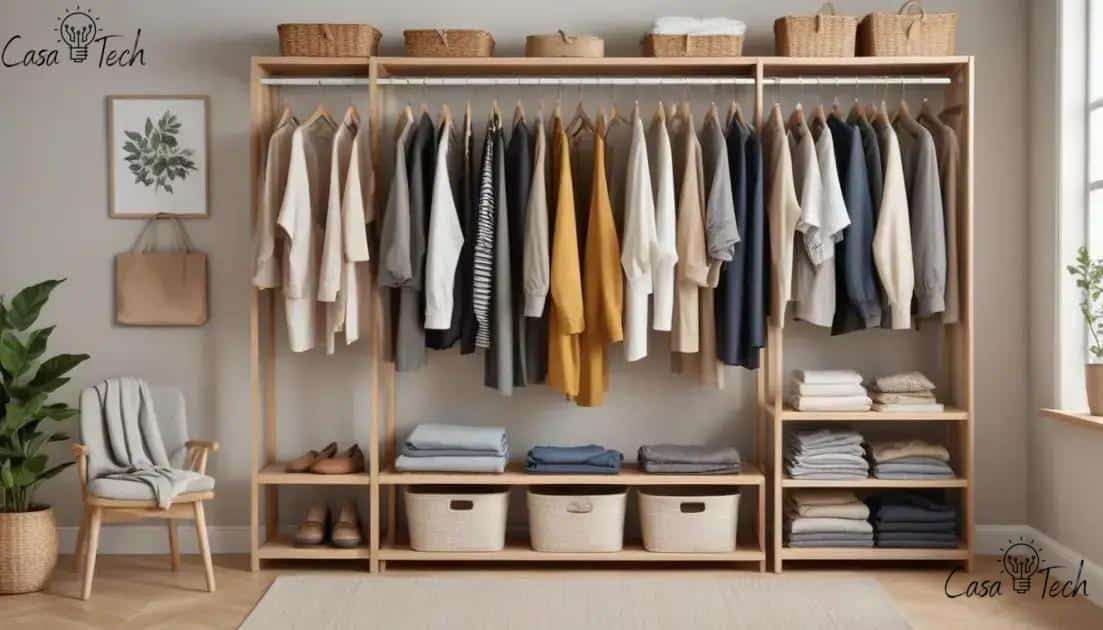
Maintaining your sustainable wardrobe is an essential part of reducing waste and maximizing the value of your clothing. A well-cared-for wardrobe not only looks better over time but also reduces the need for frequent replacements, helping to minimize environmental impact.
Simple habits such as washing garments according to care instructions, using gentle detergents, repairing minor damage promptly, and storing clothes properly can significantly extend their lifespan. Avoiding excessive washing and air-drying garments when possible can also help preserve fabric quality while reducing energy consumption.
Sustainable fashion is not only about choosing eco-friendly clothing but also about making those pieces last. By adopting mindful care practices and treating garments as long-term investments, you can maintain a functional, stylish wardrobe while supporting more responsible consumption habits and reducing your overall environmental footprint.
Caring for Your Clothing
Proper care of clothing begins with thoughtful washing habits. Using cold water whenever possible can help reduce energy consumption while also protecting fabrics from unnecessary wear. Many garments retain their color, shape, and texture longer when washed at lower temperatures, making this a practical and sustainable choice.
Choosing the right detergent is equally important. Harsh cleaning products can damage fibers over time and may have a greater environmental impact. Eco-friendly detergents are often formulated to clean effectively while being gentler on fabrics, helping extend the lifespan of clothing and reducing the need for frequent replacements.
In addition to using cold water and mild detergents, following the care instructions on garment labels can help maintain quality and durability. Simple practices such as washing full loads, avoiding excessive detergent use, and selecting appropriate wash cycles contribute to better garment care while supporting more sustainable laundry routines.
Storing Clothes Correctly
How you store your clothes also affects their longevity. Here are some tips:
- Choose breathable hangers: Wooden or padded hangers can prevent stretching and maintain the shape of your garments.
- Keep them clean: Make sure your clothes are clean before storing them to avoid stains and odors.
- Organize by season: Rotate clothing according to the seasons, making it easier to access what you need.
Regular maintenance includes checking for any signs of wear and repairing items promptly.
A small tear or loose button can lead to bigger issues if not addressed quickly. This proactive approach saves you money and reduces waste.
Additionally, consider implementing a clothing swap with friends or family. This practice not only refreshes your wardrobe without spending money but also promotes a community spirit of sustainability.
Cleaning and Repairing
When it comes to cleaning, you might want to limit dry cleaning as it can use harmful chemicals. Instead, hand wash or machine wash garments according to the care label instructions.
For items that require special care, consider using a gentle soap or taking them to a professional cleaner known for eco-friendly practices.
Repurposing is another effective method. If you have items you no longer wear, think about altering them or using the fabric for other projects. Creating something new from existing clothing can be a fulfilling way to refresh your style while being sustainable.
Consider Seasonal Changeovers
As seasons change, so should your wardrobe approach. Rotate clothes, putting seasonal clothing front and center while storing off-season items in a way that protects them.
This can mean vacuum-sealing garments or storing them in breathable bags to prevent damage.
Maintaining your sustainable wardrobe is about being mindful of how you care for your closet. These practices enhance your clothing’s durability and your commitment to the environment.
Conclusion
In conclusion, maintaining a sustainable wardrobe is an ongoing journey that requires mindfulness and care.
By choosing eco-friendly fabrics, embracing upcycling and thrifting, and properly maintaining your clothing, you contribute to a healthier planet.
Each small effort counts toward a larger impact, fostering a culture of sustainability. Together, we can redefine fashion, making it not only stylish but also responsible.
Here’s a quick summary of the key points:
FAQ – Frequently Asked Questions about Sustainable Fashion
What is the benefit of choosing eco-friendly fabrics?
Eco-friendly fabrics reduce environmental impact and often use less water and energy in their production processes.
How can I start upcycling my old clothes?
You can start by transforming items you no longer wear into new fashion pieces, such as turning an old shirt into a tote bag.
Why is thrifting important for sustainability?
Thrifting helps reduce waste by giving pre-loved clothing a new life, which cuts down on demand for new clothing production.
What are some tips for maintaining a sustainable wardrobe?
Wash clothes in cold water, store them properly, and make repairs when needed to extend their lifespan and minimize waste.