Holiday Consumer Spending Sentiment: 2026 Outlook
Anúncios
Holiday consumer spending sentiment for 2025-2026 is expected to shift towards e-commerce growth, sustainable and experiential gifts, influenced by regional spending differences and overall economic conditions.
Holiday consumer spending sentiment 2025-2026 may see notable changes due to evolving economic factors.
Are you prepared for what this means for your shopping habits? Let’s dive into the trends shaping this season.
Understanding consumer spending trends for 2025
Understanding consumer spending trends is vital as we head into the 2025 holiday season. Analyzing these patterns helps retailers adapt to evolving shopper preferences.
Technology plays a major role in shaping these trends today. The growth of digital platforms is pushing more consumers toward online shopping.
Retailers must monitor these changes carefully to stay competitive. Understanding spending behavior helps businesses adjust strategies and meet customer expectations.
The rise of e-commerce
Today’s Consumer Spending the convenience of online shopping. This is especially true during the holidays when spirits are high but time is limited. As a result, many are seeking efficient and quick ways to shop.
- Easy access to a variety of products
- Competitive pricing and deals
- 24/7 shopping convenience
- Home delivery options
Consumer priorities and spending
As we look at the Consumer Spending behavior for 2025, it’s important to note that consumers are placing more emphasis on experiences rather than just products. This trend reflects a broader shift towards valuing quality time and making memories with loved ones.
- Experiential gifts like trips or events
- Homemade gifts to show personal care
- Eco-friendly and sustainable products
Another factor is the impact of economic conditions. Inflation rates and job markets will significantly influence how much consumers are willing to spend.
Budget-conscious shoppers may opt for sales and discounts during the holiday rush, creating a need for brands to strategize accordingly.
Consumer spending sentiment is evolving rapidly, shaped by technology and personal priorities. Understanding these trends is crucial for retailers to align their strategies with shopper preferences as we approach the end of 2025.
The impact of inflation on holiday shopping
Shoppers prioritize essentials
When inflation is high, people tend to prioritize their spending on essentials. This means that gifts and luxury items may take a backseat to everyday needs. Many consumers are adjusting their lists and opting for practical gifts.
- Increased spending on groceries
- Fewer impulse buys among shoppers
- Focus on gift cards or experiences
Finding deals and discounts
Another way inflation impacts holiday shopping is the search for deals. Consumers become more savvy about looking for sales and discounts. Retailers who provide generous offers or promotions can attract more shoppers.
- Using apps to find coupons
- Participating in Black Friday sales
- Shopping off-season for better prices
As consumers navigate inflation, the desire for savings leads them to adjust their spending habits. They might even wait until the last minute to find the best deals, hoping prices may drop closer to the holidays.
In this environment, retailers need to be proactive in their marketing strategies. Understanding these changes allows businesses to meet customer needs effectively while staying competitive.
Shifts in consumer preferences for gifts
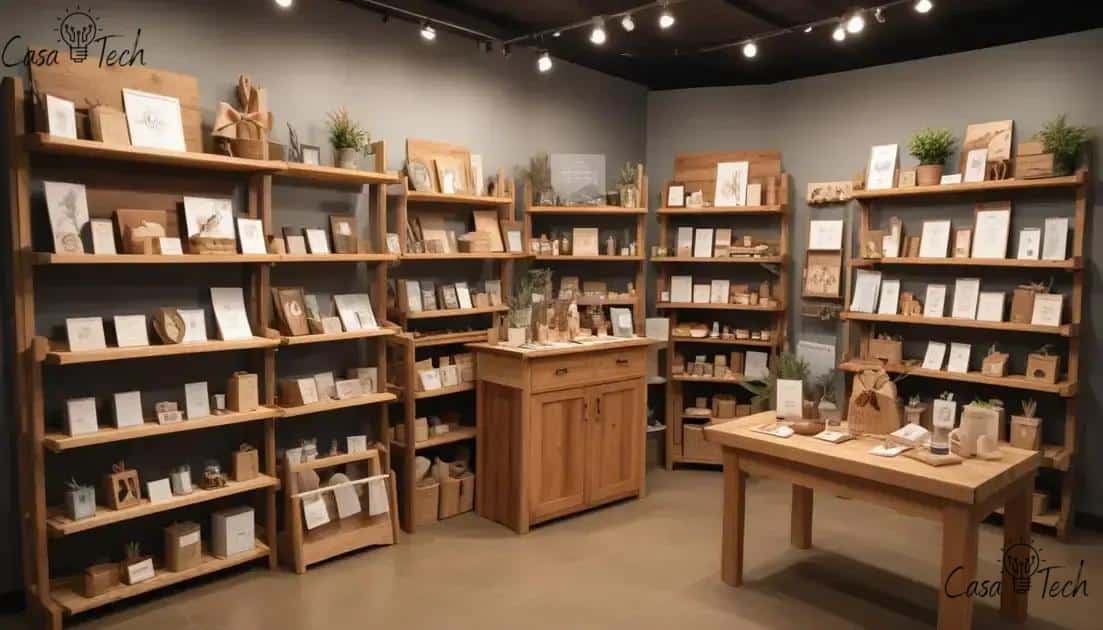
Shifts in consumer preferences for gifts are changing the landscape of holiday shopping. Understanding these trends is essential as the 2025 season approaches.
Modern consumers increasingly prioritize gifts that carry meaning and personal value. This shift reflects a growing desire to strengthen emotional connections.
As a result, shoppers are moving beyond traditional gift items. Experiences, personalized products, and thoughtful gestures are gaining popularity.
Experiences over things
More consumers are opting for experiences instead of physical gifts. This reflects a growing trend where people prioritize making memories over accumulating more possessions.
- Gift cards for activities like dining or travel
- Memberships for services or clubs
- Tickets to concerts or events
Sustainability and ethical considerations
Another major preference shift is towards sustainable and ethically sourced gifts. Shoppers are becoming more aware of the impact their purchases have on the environment and society.
- Eco-friendly products made from recycled materials
- Donations to charities in someone’s name
- Handmade items from local artisans
These choices reflect a conscientious mindset among consumers, who want to make a positive impact with their purchases. Alongside this shift, personalized gifts are gaining popularity. Shoppers increasingly seek unique items that reflect the recipient’s interests.
For example, customized items like engraved jewelry or tailored gift baskets create a stronger connection between the giver and receiver. This trend highlights the importance of thoughtful gifting and personal touch.
The role of e-commerce in holiday spending
The role of e-commerce in holiday spending has become increasingly prominent. As more consumers turn to online shopping, retailers must adapt to new expectations.
Digital platforms provide a level of convenience that traditional stores often cannot match. Shoppers can easily compare prices and browse a wide range of products from home.
This shift creates both challenges and opportunities for businesses. Retailers that invest in strong online experiences are more likely to capture holiday demand.
Growth of online sales
During the holiday season, e-commerce sales tend to spike significantly. More people are choosing to shop online rather than in physical stores. This shift has been accelerated by recent events, including the pandemic.
- Many retailers are investing in their online platforms.
- Consumers appreciate the wide selection available online.
- Delivery options, such as same-day shipping, attract shoppers.
Changing shopping habits
With the rise of mobile devices, shopping has become more accessible. Mobile apps and websites allow consumers to shop anytime and anywhere. This flexibility contributes to a change in how people approach their holiday shopping.
- Increased usage of mobile wallets and payment methods.
- Social media influences shopping decisions.
- Reviews and ratings impact purchase choices.
E-commerce also allows for tailored marketing strategies that target specific consumer needs. Brands can leverage data to create personalized experiences, leading to higher conversion rates.
Shoppers are now more likely to compare prices across multiple sites, ensuring they get the best deals. Understanding this dynamic helps retailers to adjust their strategies accordingly.
Analyzing regional differences in spending
Income levels and spending
Regions with higher income levels tend to see greater spending on luxury items and experiences compared to more budget-conscious areas. Understanding these differences helps retailers target their marketing strategies effectively.
- Urban centers often have more disposable income.
- Rural areas may prioritize affordability and practicality.
- Local economies influence purchasing power significantly.
Cultural influences
Cultural backgrounds also play a role in how people spend during the holidays. Certain regions may emphasize gift-giving traditions more than others, affecting what items are popular.
- Festivals and events can boost local sales.
- Traditions dictate the types of gifts exchanged.
- Regional preferences influence product availability.
Furthermore, seasonal weather can impact spending. For instance, colder climates might see higher sales of winter clothing and festive decorations, while warmer regions may focus on outdoor experiences.
By analyzing these regional trends, retailers can tailor their product selection and marketing approaches to fit local preferences. This strategy can enhance customer engagement and drive sales during the holiday season.
Predictions for sales growth during 2026
Predictions for sales growth during 2026 offer valuable insights into changing consumer behavior and economic conditions. Several factors are expected to influence holiday spending patterns.
One major driver is the continued expansion of e-commerce. Online shopping is projected to capture an even larger share of total retail sales.
As more consumers embrace digital convenience, retailers must strengthen their online presence. Technology will remain a central force shaping modern shopping habits.
Economic conditions
The overall economy will play a crucial role in determining sales growth. Factors such as inflation rates, unemployment levels, and consumer confidence will influence how much people are willing to spend.
- A stable or growing economy usually leads to higher spending.
- Inflation can cause consumers to be more cautious with their money.
- Consumer confidence impacts holiday shopping decisions.
Shifts in consumer preferences
As consumer preferences continue to shift, retailers will need to adapt to meet new demands. In 2026, we may see a rise in sustainable products, personalized shopping experiences, and experiences over material gifts.
- Increased demand for eco-friendly products.
- Greater interest in unique and personalized items.
- More emphasis on experiences such as events or travel.
Retailers who successfully anticipate these trends can position themselves for growth during the holiday season. Effective marketing strategies and product selection will be vital in capturing consumer interest.
By combining insights from past sales data and current consumer behaviors, businesses can make informed predictions about what to expect in 2026.
FAQ – Questions about Holiday Consumer Spending Sentiment 2025-2026
What are the main factors affecting holiday consumer spending in 2025-2026?
Key factors include economic conditions, inflation, e-commerce growth, and shifts in consumer preferences towards experiences and sustainability.
How does e-commerce influence Consumer Spending trends?
E-commerce offers convenience and accessibility, allowing consumers to shop from home and compare prices, which drives increased online sales during the holiday season.
What types of gifts are consumers leaning towards in 2025-2026?
Consumers are more inclined to choose experiences over physical gifts, and there’s a growing interest in sustainable and personalized products.
Why are regional differences in spending important for retailers?
Understanding regional differences helps retailers tailor their marketing strategies and product offerings to meet local consumer preferences, maximizing sales opportunities.