Cut Your Routine by 50%: Dermatologist-Approved 3-Step Morning Protocol
Anúncios
A simplified morning barrier repair routine combines gentle cleansing, effective moisturization, and broad-spectrum sun protection to support skin hydration, minimize unnecessary irritation, and reduce the complexity of everyday skincare.
Following a morning barrier repair routine can help simplify your daily skincare while supporting the natural protective functions of your skin and maintaining adequate hydration.
Rather than applying numerous products every morning, focusing on essential skincare steps may help reduce unnecessary expenses, save preparation time, and limit exposure to irritating ingredients.
This guide explains how to establish a three-step morning skincare routine, select appropriate ingredients, avoid common mistakes, and protect your skin throughout the day.
Anúncios
The shift towards streamlined skincare
A simplified skincare routine focuses on essential products that address fundamental skin requirements rather than incorporating multiple treatments without a clearly defined purpose.
For individuals experiencing dryness, redness, or sensitivity, reducing unnecessary product layering may help limit exposure to ingredients that contribute to irritation.
The morning barrier repair approach emphasizes consistency, appropriate product selection, and protection instead of assuming that more complicated routines automatically deliver better results.
Why less can be more for skin health
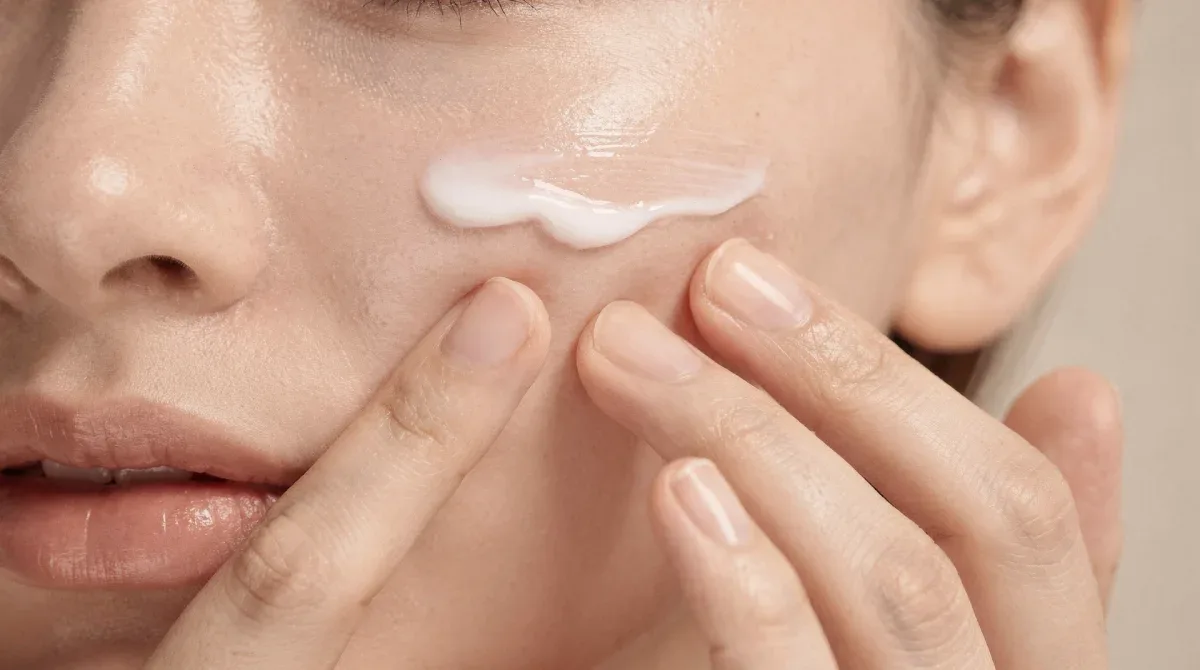
Using several exfoliants, fragranced products, or concentrated active ingredients simultaneously may increase the likelihood of irritation, particularly among individuals with sensitive skin.
Anúncios
Reducing unnecessary products makes it easier to identify ingredients associated with adverse reactions and establish a skincare routine that remains comfortable during daily use.
A simplified morning barrier repair routine can therefore provide a practical foundation for maintaining skin health without relying on excessive product consumption.
Can you really reduce your skincare routine by 50%?
Reducing a six-step skincare routine to three essential steps represents a 50% reduction in the number of individual steps performed each morning.
However, the actual time saved depends on product application methods, waiting periods, individual preferences, and any additional treatments recommended by a healthcare professional.
The objective is to remove unnecessary complexity while maintaining essential skincare functions, rather than guaranteeing a specific improvement in skin health or preparation time.
Understanding the skin barrier and its importance
The skin barrier consists primarily of the outermost portion of the epidermis, known as the stratum corneum, which helps protect underlying tissues.
This protective structure limits excessive water loss and helps prevent certain irritants, allergens, and environmental substances from penetrating deeper layers of the skin.
Supporting morning barrier repair involves maintaining appropriate hydration and reducing exposure to factors that may interfere with the skin's natural protective functions.
Key components of a healthy skin barrier
The skin barrier contains specialized skin cells surrounded by a lipid mixture that includes ceramides, cholesterol, and fatty acids, contributing to its protective structure.
These components help regulate moisture loss, maintain flexibility, and support the integrity of the outermost skin layers under normal physiological conditions.
Natural moisturizing factors also help retain water within the stratum corneum, contributing to the hydration necessary for appropriate skin barrier function.
Common signs of a compromised skin barrier
Possible signs of skin barrier disruption include persistent dryness, flaking, rough texture, redness, and unusual sensitivity when applying previously tolerated skincare products.
Some individuals may experience itching, burning, or tightness after cleansing, although these symptoms can also occur with underlying dermatological conditions.
If symptoms persist or become increasingly uncomfortable, seek professional dermatological advice rather than assuming every skin problem can be resolved through cosmetic products.
Factors that may damage the skin barrier
Frequent exposure to harsh cleansers, excessive exfoliation, hot water, dry environmental conditions, and irritating skincare ingredients may interfere with normal skin barrier function.
Ultraviolet radiation can also damage skin, making appropriate sun protection an important component of a comprehensive morning barrier repair strategy.
Identifying and reducing avoidable sources of irritation may help support skin recovery while improving the tolerability of everyday skincare products.
The dermatologist-recommended three-step morning routine
A practical morning skincare routine can be organized around three essential actions: gently cleansing the skin, applying a suitable moisturizer, and using sun protection.
During National Healthy Skin Month in November 2026, the American Academy of Dermatology published recommendations supporting a simplified skincare routine focused on protecting and repairing the skin barrier.
This approach provides a useful foundation for morning barrier repair while allowing individuals to incorporate additional treatments when medically necessary or personally appropriate.
Step 1: Gentle cleansing
Morning cleansing can help remove accumulated sweat, excess oil, and residual skincare products without unnecessarily stripping the skin of its protective components.
Select a gentle cleanser appropriate for your skin type, use lukewarm water, and avoid aggressive scrubbing or prolonged washing that may contribute to irritation.
Individuals with particularly dry or sensitive skin may find that less frequent cleansing is more comfortable, depending on their individual needs and professional recommendations.
Step 2: Apply a suitable moisturizer
After cleansing, apply a moisturizer designed for your skin type to help retain water and support the protective functions of the outermost skin layers.
Products containing suitable combinations of ceramides, glycerin, hyaluronic acid, or other moisturizing ingredients may help address dryness and maintain skin comfort.
Moisturization is a central component of morning barrier repair because it supports hydration without necessarily requiring separate serums or multiple specialized treatment products.
Step 3: Apply broad-spectrum sunscreen
Complete your morning routine with a broad-spectrum sunscreen offering SPF 30 or higher to help protect exposed skin against ultraviolet radiation.
Choose a formulation appropriate for your skin type and anticipated activities, considering water resistance when you expect swimming, exercise, or substantial perspiration.
Effective sun protection complements morning barrier repair by helping prevent additional ultraviolet-related damage that can contribute to long-term skin health problems.
Choosing the right cleanser for morning barrier repair
A suitable facial cleanser should remove unwanted surface impurities while minimizing unnecessary disruption to the skin's natural moisture balance and protective functions.
Product selection should consider skin type, existing sensitivity, individual tolerance, and whether the cleanser leaves the skin feeling uncomfortable after use.
Gentle cleansing provides a practical foundation for morning barrier repair without requiring aggressive ingredients or complicated washing procedures.
Recognizing an appropriately gentle cleanser
Fragrance-free cleansers with mild cleansing ingredients may provide suitable options for individuals who experience irritation or discomfort when using stronger formulations.
Cream, gel, lotion, and gentle foaming cleansers can all be appropriate depending on their overall formulation and the individual characteristics of your skin.
Rather than judging products exclusively by their texture, evaluate whether regular use contributes to comfortable skin without persistent tightness, burning, or excessive dryness.
How to wash your face correctly
Use lukewarm water and apply the cleanser gently with your fingertips, avoiding abrasive brushes or aggressive rubbing that could contribute to irritation.
Rinse according to the product instructions and gently pat your skin with a clean towel rather than rubbing the surface repeatedly.
These simple habits complement morning barrier repair by reducing unnecessary physical and chemical stress during the initial stage of your skincare routine.
Choosing a moisturizer that supports barrier health
Moisturizers typically combine ingredients that attract water, soften the skin, or help reduce moisture loss from the outermost layers of the epidermis.
Different formulations may provide varying levels of hydration and protection depending on their composition, consistency, application method, and the individual's skin characteristics.
Finding a well-tolerated moisturizer is often more important for morning barrier repair than purchasing numerous expensive products marketed specifically for barrier restoration.
Ceramides and natural skin lipids
Ceramides are naturally occurring lipid molecules that contribute to the structural organization and protective functions of the skin's outermost layers.
Moisturizers formulated with ceramides and other suitable lipids may help support barrier function, particularly when dryness is associated with disrupted moisture retention.
However, the effectiveness of an individual product depends on its complete formulation rather than the presence of a single ingredient on its label.
Hyaluronic acid and glycerin
Hyaluronic acid and glycerin are commonly used humectants that help attract and retain water within the outer layers of the skin.
These ingredients can complement moisturizing formulations that also contain emollients or occlusive components designed to reduce excessive moisture loss.
Incorporating suitable humectants through a moisturizer can support morning barrier repair without necessarily requiring a separate hydrating serum.
Niacinamide and additional skincare ingredients
Niacinamide may support certain aspects of skin barrier function and can be incorporated into suitable moisturizers or other carefully selected skincare formulations.
However, some individuals may experience discomfort when using products containing high concentrations or combinations of ingredients that are unsuitable for their skin.
Introduce new formulations gradually and discontinue nonessential cosmetic products that cause persistent irritation, particularly when your skin is already sensitive.
When to consider peptide-based products
Skincare formulations containing peptides are commonly marketed for different cosmetic purposes, including hydration, skin appearance, and support for selected physiological processes.
The potential effects of these ingredients vary according to the specific peptide, product formulation, concentration, and available evidence supporting its intended use.
Peptide-based products remain optional additions rather than essential requirements for establishing an effective three-step morning skincare routine.
The role of sunscreen in morning barrier repair
Sun protection helps reduce exposure to ultraviolet radiation, which contributes to sunburn, premature skin aging, and an increased risk of skin cancer.
Using an appropriate sunscreen alongside suitable protective clothing and shade can provide a more comprehensive approach to reducing unnecessary ultraviolet exposure.
Morning barrier repair should therefore include practical sun protection rather than concentrating exclusively on moisturizers and cosmetic treatments.
Understanding broad-spectrum SPF
Broad-spectrum sunscreen provides protection against both UVA and UVB radiation, while the SPF rating primarily describes protection against sunburn-producing ultraviolet exposure.
Choose a broad-spectrum sunscreen with SPF 30 or higher, paying attention to the instructions concerning application quantity, water resistance, and reapplication.
Proper application remains important because using insufficient sunscreen may provide substantially less protection than indicated by the product's labeled SPF rating.
Can a moisturizer with SPF replace two products?
A moisturizer containing broad-spectrum SPF 30 or higher may provide a convenient combined formulation for individuals seeking to simplify their daily skincare.
However, sufficient product must be applied to achieve the intended sun protection, following the manufacturer's directions regarding application and reapplication.
Using a combined product may support morning barrier repair when it provides adequate hydration and appropriate sun protection for your individual circumstances.
When should sunscreen be reapplied?
When spending time outdoors, sunscreen should generally be reapplied approximately every two hours and after swimming or sweating, according to its instructions.
Extended outdoor activities may require additional attention to protective clothing, shade, and the water-resistance characteristics of your selected sunscreen formulation.
Reapplication remains necessary when appropriate, even if your initial morning skincare routine has been simplified to only three essential steps.
Adapting the routine to different skin types
Skin characteristics vary between individuals, making it important to select products that address personal hydration needs, oil production, sensitivity, and existing dermatological concerns.
The three-step structure can remain consistent while individual cleansers, moisturizers, and sunscreens are adjusted according to their suitability and tolerability.
Personalizing morning barrier repair helps establish a routine that remains practical without unnecessarily introducing treatments designed for unrelated skin concerns.
Morning skincare for dry skin
Dry skin may benefit from gentler cleansing practices and moisturizing creams containing suitable ingredients that support hydration and reduce excessive water loss.
Applying moisturizer shortly after cleansing, while the skin remains slightly damp, may help retain moisture during the subsequent stages of your routine.
Consider avoiding unnecessary exfoliation when your skin is visibly dry, flaky, or uncomfortable, particularly if these symptoms worsen following product application.
Morning skincare for oily skin
Individuals with oily skin may prefer lightweight moisturizers and gentle cleansing formulations that remove excess surface oil without causing unnecessary irritation.
Excessively aggressive washing does not necessarily improve skin condition and may contribute to discomfort, dryness, or difficulty tolerating other skincare products.
A balanced morning barrier repair routine can include moisturizing products even when the skin naturally produces relatively large amounts of oil.
Morning skincare for sensitive skin
Sensitive skin may benefit from carefully selected fragrance-free products and a limited number of ingredients associated with unnecessary irritation or adverse reactions.
Introduce new products individually, allowing sufficient time to observe their effects before making further changes to your established skincare routine.
Persistent redness, burning, itching, or discomfort should be evaluated by a healthcare professional, especially when symptoms interfere with ordinary daily activities.
Morning skincare for acne-prone skin
Acne-prone skin may benefit from gentle cleansers, suitable non-comedogenic moisturizers, and sunscreen formulations that remain comfortable during consistent daily use.
Individuals receiving prescribed acne treatments should continue following their healthcare professional's instructions rather than independently removing medically necessary products from their routine.
Morning barrier repair can complement acne management, but it should not be presented as a replacement for evidence-based treatment of persistent acne.
Are serums necessary for an effective morning routine?
Serums can provide targeted cosmetic benefits depending on their ingredients, formulation, and intended purpose, but they are not essential for every skincare routine.
Many moisturizing products already contain ingredients commonly found in separate hydrating serums, allowing users to simplify their skincare without unnecessary duplication.
When basic morning barrier repair is the primary objective, prioritize gentle cleansing, suitable moisturization, and sun protection before introducing additional cosmetic treatments.
When a hydrating serum may be useful
Individuals experiencing dryness may prefer a lightweight hydrating serum beneath their moisturizer if the formulation provides additional comfort without contributing to irritation.
However, adding another product should address an identifiable skincare need rather than simply increasing the number of steps performed each morning.
Evaluate whether the additional serum provides a meaningful practical benefit compared with using an appropriate moisturizer as part of your existing routine.
How to incorporate prescribed skincare treatments
Prescribed topical treatments may be necessary for managing conditions such as acne, eczema, rosacea, or other dermatological concerns requiring professional medical care.
The appropriate application sequence depends on the specific medication, its formulation, and instructions provided by the prescribing healthcare professional.
Do not discontinue prescribed treatments solely to achieve a three-product routine, since effective medical care takes priority over arbitrary skincare step limits.
Benefits of adopting a simplified morning routine
A streamlined skincare approach can make everyday personal care easier to organize while reducing dependence on products that do not address meaningful skin requirements.
Potential benefits include reduced preparation time, fewer purchasing decisions, lower product expenses, and a more manageable process for evaluating individual product tolerability.
However, morning barrier repair outcomes depend on the underlying skin condition, product suitability, consistency, and other factors that vary considerably between individuals.
Reducing unnecessary irritation
Using fewer nonessential cosmetic products may reduce exposure to ingredients that could contribute to irritation, particularly when the previous routine contained multiple active treatments.
A shorter routine also makes it easier to identify which product may be associated with discomfort when new symptoms arise during regular use.
These advantages can support morning barrier repair, although persistent symptoms may require assessment and treatment beyond changes to cosmetic skincare products.
Saving time and reducing skincare expenses
Replacing unnecessary products with a smaller collection of suitable essentials may reduce the financial and time commitments associated with elaborate morning skincare routines.
Affordable cleansers, moisturizers, and sunscreens can provide useful everyday care when their formulations are appropriate for individual needs and intended applications.
Product price alone does not establish effectiveness, making it more practical to evaluate ingredients, tolerability, and functionality rather than luxury branding.
Establishing more consistent skincare habits
A manageable skincare routine may be easier to maintain during busy mornings, travel, changing work schedules, and other circumstances that disrupt daily activities.
Keeping essential products accessible and organizing them according to their application sequence can help simplify preparation without requiring frequent changes.
Consistent morning barrier repair practices may support skin comfort over time, although no specific improvement or recovery timeline can be guaranteed.
Common mistakes to avoid in morning skincare
Even a relatively simple skincare routine can contribute to irritation when unsuitable products, excessive application, or inappropriate cleansing techniques are involved.
Understanding common mistakes helps individuals identify potential sources of discomfort before introducing additional cosmetic treatments intended to address the resulting symptoms.
An effective morning barrier repair strategy should prioritize appropriate skincare practices rather than focusing exclusively on the number of products being used.
Over-exfoliation and harsh products
Frequent exfoliation using abrasive scrubs or concentrated acids may contribute to dryness, redness, and sensitivity, particularly when combined with other potentially irritating ingredients.
Individuals experiencing signs of skin irritation may benefit from temporarily avoiding nonessential exfoliating products until their symptoms improve or receive professional evaluation.
Moving exfoliation to the evening does not automatically eliminate irritation, because overall frequency, formulation, and individual tolerability remain important considerations.
Introducing several new products simultaneously
Starting multiple unfamiliar products at the same time can make it difficult to identify which formulation may be responsible for unexpected skin reactions.
Introduce new products individually and observe how your skin responds before adding another cosmetic treatment or changing other parts of your routine.
This gradual approach can help maintain a more manageable morning barrier repair strategy while reducing unnecessary confusion regarding product effectiveness and tolerability.
Skipping moisturizer because sunscreen feels hydrating
Some sunscreen formulations contain moisturizing ingredients and may provide sufficient hydration for particular individuals, while others may leave dry skin feeling uncomfortable.
Evaluate whether your selected sunscreen adequately addresses your hydration needs before removing a separate moisturizing product from your established morning routine.
Individuals with persistent dryness may benefit from applying a suitable moisturizer before sunscreen, even when the sunscreen itself contains hydrating ingredients.
Expecting immediate skin barrier recovery
Skin recovery depends on the cause and severity of irritation, individual physiological characteristics, ongoing environmental exposure, and the suitability of selected treatments.
Some individuals may notice improved comfort relatively quickly, whereas others may require longer periods or professional treatment for underlying dermatological conditions.
Morning barrier repair should not be associated with guaranteed results within a predetermined number of days or weeks.
Integrating the protocol into your lifestyle
Incorporating a simplified skincare routine into everyday life involves selecting suitable products, establishing manageable habits, and maintaining realistic expectations about potential benefits.
Organize your cleanser, moisturizer, and sunscreen in an accessible location so that completing your morning skincare does not require unnecessary preparation.
The flexibility of morning barrier repair allows individuals to adapt their approach according to changing environmental conditions, personal schedules, and professional recommendations.
A practical five-minute morning routine
Begin with approximately one minute of gentle facial cleansing, adjusting the duration according to product directions and your personal skincare requirements.
Spend another minute applying a suitable moisturizer, followed by careful application of sunscreen to exposed areas requiring protection against ultraviolet radiation.
This example demonstrates how a simplified routine may fit into a busy morning, although total preparation time varies and sunscreen instructions must still be followed.
Adjusting skincare during seasonal changes
Changes in temperature, humidity, indoor heating, and outdoor activities may influence skin hydration and the suitability of particular skincare products.
During colder or drier conditions, some individuals may prefer richer moisturizers, while lightweight formulations may be more comfortable during warmer periods.
Adapt morning barrier repair according to your skin's actual requirements rather than automatically purchasing new skincare collections whenever the seasons change.
Monitoring your skin's response
Observe changes in skin comfort, dryness, texture, and sensitivity after establishing your simplified routine, keeping track of any products associated with discomfort.
Occasional photographs taken under similar lighting conditions may help document visible changes, although they cannot independently confirm the condition of your skin barrier.
Use these observations to guide practical decisions and seek professional assistance if symptoms persist, worsen, or suggest an underlying medical condition.
When to consult a dermatologist
Cosmetic skincare adjustments may help address mild discomfort associated with unsuitable products, but persistent symptoms can indicate conditions requiring professional evaluation.
Seek dermatological advice when experiencing recurring rashes, substantial redness, painful cracking, persistent itching, bleeding, or reactions that worsen despite appropriate gentle skincare.
A dermatologist can help identify underlying causes and recommend treatments that complement morning barrier repair without relying exclusively on general cosmetic advice.
Distinguishing barrier irritation from skin conditions
Conditions such as eczema, rosacea, allergic contact dermatitis, and other dermatological disorders may cause symptoms that resemble ordinary skin barrier irritation.
These conditions can require different management strategies, making accurate diagnosis important when symptoms persist or repeatedly return following cosmetic product changes.
A three-step skincare routine may provide supportive care, but it cannot independently diagnose or resolve every condition associated with redness, sensitivity, or dryness.
Summary of the three-step morning barrier repair routine
A simplified morning skincare routine focuses on cleansing, hydration, and protection while allowing optional treatments to be incorporated according to individual requirements.
The effectiveness of this approach depends on product suitability, appropriate application, consistent use, and professional guidance when underlying dermatological concerns are present.
The following table summarizes the essential morning barrier repair steps, potential benefits, and important considerations associated with maintaining a practical skincare routine.
Key Point | Brief Description |
|---|---|
Simplified Routine | Focus on essential skincare functions instead of unnecessary product layering. |
Barrier Repair Focus | Support hydration and limit avoidable sources of irritation. |
Step 1: Gentle Cleansing | Remove unwanted surface impurities without excessive washing or aggressive scrubbing. |
Step 2: Moisturizing | Apply a suitable moisturizer to support hydration and reduce excessive moisture loss. |
Step 3: Sun Protection | Use broad-spectrum sunscreen with SPF 30 or higher and reapply when appropriate. |
Optional Serums | Consider additional products only when they address specific skincare requirements. |
Dermatological Guidance | The simplified approach aligns with general recommendations published by the American Academy of Dermatology. |
Skin Type | Select formulations appropriate for dry, oily, sensitive, combination, or acne-prone skin. |
Potential Time Savings | Reducing unnecessary skincare steps may simplify daily preparation, although individual results vary. |
Consistency | Maintain appropriate skincare habits and introduce new products gradually. |
Medical Treatment | Continue prescribed treatments and seek professional assessment for persistent or worsening symptoms. |
Frequently Asked Questions About Morning Barrier Repair
What exactly is the skin barrier and why is it important?
The skin barrier is a protective structure associated primarily with the outermost epidermal layer. It helps limit excessive water loss and reduces the penetration of certain external irritants and substances.
Can I really cut my skincare routine by 50%?
Yes, reducing a six-step routine to three essential steps represents a 50% reduction in the number of steps. However, the actual time saved and effects on skin health depend on individual circumstances.
What type of cleanser should I use for morning barrier repair?
Choose a gentle cleanser suitable for your skin type. Fragrance-free formulations may be appropriate for sensitive skin, while harsh scrubbing and excessive washing should generally be avoided.
Are there specific ingredients I should look for in barrier repair products?
Ceramides, glycerin, hyaluronic acid, and suitable moisturizing lipids may support hydration and barrier function. The overall formulation and individual tolerability remain important.
Why is SPF important in a three-step morning protocol?
Broad-spectrum sunscreen helps protect skin against UVA and UVB radiation. SPF 30 or higher is recommended as part of a comprehensive sun protection strategy.
What are the three essential morning skincare steps?
The three essential actions are gentle cleansing, moisturizing, and applying appropriate broad-spectrum sunscreen. Additional treatments may be necessary depending on individual skincare or medical requirements.
Do I need a separate serum for morning barrier repair?
No. A suitable moisturizer can provide essential hydration without requiring an additional serum. Serums remain optional unless recommended for a specific purpose by a healthcare professional.
How long does it take to repair a damaged skin barrier?
Recovery time varies according to the cause, severity, underlying skin conditions, and treatment approach. There is no universal recovery period that applies to everyone.
Can I use a moisturizer that already contains sunscreen?
Yes, provided it offers broad-spectrum SPF 30 or higher, supplies adequate hydration, and is applied according to the instructions needed to achieve appropriate sun protection.
Should I stop exfoliating if my skin barrier is damaged?
Avoiding nonessential exfoliation may be appropriate when experiencing significant irritation or sensitivity. Persistent symptoms should be discussed with a dermatologist, particularly when prescribed treatments are involved.
Can oily skin benefit from morning barrier repair?
Yes. Oily skin still requires appropriate hydration and gentle care. Lightweight, well-tolerated moisturizers and suitable sunscreens may provide practical options.
Is morning barrier repair suitable for sensitive skin?
A carefully selected, simplified routine may help limit exposure to unnecessary irritants. However, sensitive skin can have different causes, and persistent symptoms may require professional evaluation.
Can a damaged skin barrier cause acne?
Barrier disruption and irritation may coexist with acne, but acne has multiple contributing factors. Appropriate diagnosis and treatment should not be replaced by cosmetic barrier repair products alone.
Should moisturizer be applied to damp skin?
Applying a suitable moisturizer shortly after cleansing, while the skin remains slightly damp, can help retain moisture. Follow the product's instructions and any relevant medical recommendations.
Can I skip sunscreen when the weather is cloudy?
Cloud cover does not eliminate ultraviolet exposure. Use appropriate sun protection when exposed to daylight, considering your activities, environment, and professional recommendations.
How often should I change my skincare products?
There is no requirement to change products regularly when your routine remains comfortable and appropriate. Introduce changes gradually when your skin's requirements or circumstances change.
Can I continue using prescribed acne or eczema medication?
Yes. Follow your healthcare professional's instructions and do not discontinue prescribed medication simply to reduce the number of steps in your morning skincare routine.
When should I see a dermatologist?
Seek professional advice if dryness, redness, itching, burning, or other symptoms persist or worsen, particularly when accompanied by painful cracking, bleeding, or recurring rashes.
Conclusion: Simplifying your morning barrier repair routine
A morning barrier repair routine built around gentle cleansing, suitable moisturization, and broad-spectrum sun protection provides a practical foundation for consistent everyday skincare.
Reducing unnecessary product layering may help simplify preparation, control expenses, and limit avoidable irritation without requiring individuals to abandon medically necessary treatments.
By selecting appropriate formulations, monitoring your skin's response, and seeking professional guidance when needed, you can establish a manageable skincare routine aligned with your individual needs.