Skin Cycling 2.0 in 2026: 48-Hour Ceramide Fast Rebuilds Skin
Anúncios
Skin Cycling 2.0 in 2026 emphasizes gentle skincare, active ingredient rotation, and skin barrier recovery. Learn what a 48-hour ceramide fast means, why its benefits remain unproven, and how to build a safer routine for dry or irritated skin.
Skin Cycling 2.0 in 2026 is drawing attention as skincare enthusiasts search for gentler routines that balance exfoliation, retinoids, and recovery.
One proposed variation includes a 48-hour ceramide fast, temporarily removing ceramide-containing products. However, scientific evidence does not establish that this practice improves natural ceramide production.
Understanding the difference between proven barrier care and emerging skincare claims is important. This guide explores the science, practical routines, and precautions for sensitive skin.
Anúncios
The Evolution of Skin Cycling: From Basics to Bioregeneration
Skin cycling traditionally involves alternating nights of active skincare ingredients with recovery periods. The approach aims to manage irritation while allowing consistent product use.
Exfoliating acids and retinoids can be useful for certain skin concerns, but excessive application may contribute to dryness, redness, and discomfort.
The discussion around Skin Cycling 2.0 increasingly emphasizes skin barrier support and personalized routines. However, newer variations should be evaluated against available clinical evidence.
Understanding the 48-Hour Ceramide Fast
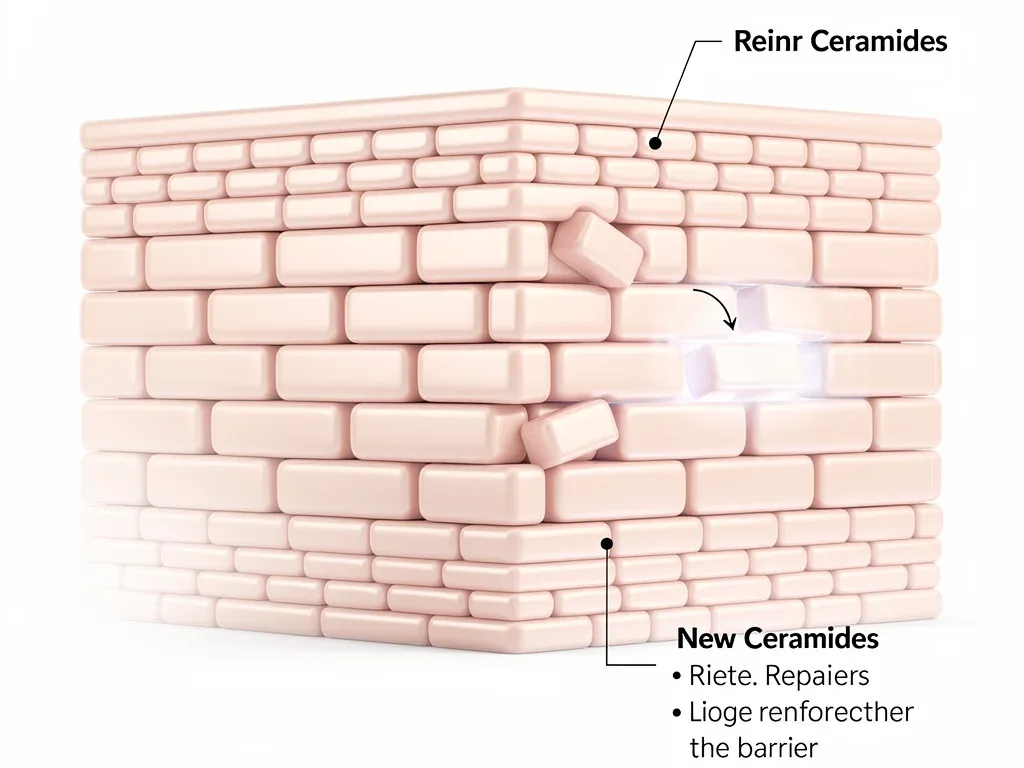
A 48-hour ceramide fast refers to avoiding skincare products containing ceramides for two consecutive days. Supporters suggest this may encourage natural lipid production.
Anúncios
However, reliable clinical evidence has not established that temporarily withholding topical ceramides stimulates the skin to produce more of its own protective lipids.
People with dryness or barrier damage should not assume that removing ceramide products will improve recovery. Maintaining suitable moisturization remains an important skincare principle.
Why Ceramides Are Central to Skin Barrier Health
Ceramides are naturally occurring lipids found in the outermost layer of the skin. Together with cholesterol and fatty acids, they support its protective structure.
These lipids help limit transepidermal water loss and protect against external irritants. Changes in their composition can be associated with impaired skin barrier function.
Properly formulated ceramide-containing moisturizers may help support hydration and barrier repair. Their effectiveness depends on formulation, skin condition, and individual tolerance.
How the Skin Barrier Protects Against Irritation
The skin barrier acts as a protective interface between the body and its surroundings. It helps retain moisture while limiting the penetration of external substances.
When this barrier becomes compromised, people may experience tightness, flaking, stinging, or increased sensitivity to products that were previously comfortable.
Recovery generally involves reducing irritating exposures and maintaining appropriate hydration. Persistent or severe symptoms may require evaluation by a qualified healthcare professional.
Implementing Skin Cycling 2.0: The New Routine Unpacked
A practical approach to Skin Cycling 2.0 in 2026 begins with choosing products suited to individual skin tolerance rather than following a rigid calendar.
Some routines alternate exfoliating products and retinoids with several recovery nights. However, sensitive skin may require fewer active ingredients and longer breaks.
A 48-hour recovery period can focus on gentle cleansing and moisturizing. There is no established need to exclude ceramides during these recovery days.
The Revised Weekly Schedule
A possible routine begins with an exfoliation night followed by a retinoid night, but only when both products are appropriate and already tolerated.
The next two nights can focus on recovery through gentle cleansing and suitable moisturization. A ceramide-containing product may remain part of this care.
Additional recovery nights can follow before restarting active products. Individuals experiencing irritation should pause potentially aggravating ingredients and seek personalized guidance when necessary.
Product Selection for the Ceramide Fast
People interested in a ceramide-free routine should understand that excluding ceramides has no established advantage for rebuilding an impaired skin barrier.
Gentle cleansers and fragrance-free moisturizers may be appropriate depending on skin tolerance. Ingredients such as glycerin can help support hydration without aggressive exfoliation.
However, there is no evidence-based requirement to avoid ceramide moisturizers for 48 hours. Those experiencing dryness may benefit from continuing well-tolerated barrier-supporting products.
Building a Gentle Recovery Routine
Recovery nights are an opportunity to simplify skincare and reduce exposure to potentially irritating active ingredients. A mild cleanser may be sufficient for routine cleansing.
Applying an appropriate moisturizer can help manage dryness and improve comfort. Product texture and ingredients should match the individual's skin needs.
During the day, broad-spectrum sunscreen is important when using ingredients that may increase sun sensitivity. Protection should remain consistent throughout the skincare routine.
Rebuilding Compromised Skin: The Science Behind the Fast
The skin naturally produces ceramides and other lipids that help maintain the outer barrier. These biological processes depend on complex cellular and environmental factors.
Although lipid production is regulated within the skin, research has not demonstrated that a 48-hour topical ceramide withdrawal reliably strengthens this process.
Evidence more directly supports appropriate moisturization and reducing irritating exposures. These measures are generally more consistent with established skin barrier care principles.
Boosting Endogenous Ceramide Production
Endogenous ceramides are produced through biological processes within the skin. Their synthesis contributes to the formation and maintenance of protective lipid structures.
However, stopping ceramide-containing moisturizers does not have a clinically established effect of increasing this production. The proposed fasting mechanism remains speculative.
Some skincare ingredients have been studied for their influence on barrier function, but results depend on formulation and research conditions. Claims require appropriate clinical validation.
Benefits for Sensitive and Irritated Skin
People with sensitive skin may benefit from simplifying routines that contain multiple exfoliating or potentially irritating products. Reducing unnecessary steps can improve tolerability.
Consistent moisturizing may help relieve dryness and support the skin barrier. Ceramide-containing products are among the available options, although no single formula suits everyone.
Individuals with eczema, rosacea, or persistent irritation should seek professional guidance. A ceramide fast is not an established treatment for these conditions.
Understanding Transepidermal Water Loss
Transepidermal water loss, often abbreviated as TEWL, describes water moving through the skin into the surrounding environment. It is one measurement used to assess barrier function.
Elevated TEWL may indicate that the skin is losing moisture more readily. However, results require interpretation alongside other measurements and clinical observations.
Some moisturizing formulations have demonstrated improvements in hydration and TEWL. These findings support barrier-focused skincare rather than the assumption that ceramide deprivation is beneficial.
Expert Perspectives and Clinical Evidence
Dermatological guidance generally emphasizes appropriate moisturization and avoiding unnecessary irritation. These principles are particularly important when the skin barrier is compromised.
Clinical studies have explored ceramide-containing formulations and their effects on hydration. However, evidence does not currently establish a standardized 48-hour ceramide fast.
Consumers should distinguish published research from promotional claims or personal testimonials. A popular skincare trend is not necessarily a clinically validated treatment.
What Dermatologists Recommend for Barrier Care
Dermatologists commonly recommend gentle skincare practices for people experiencing dryness or sensitivity. Moisturizers are an established component of care for conditions such as atopic dermatitis.
Product selection should reflect individual needs, including sensitivity to fragrance, preservatives, or other ingredients. More products do not necessarily produce better results.
When irritation persists, professional evaluation can help identify contributing causes. Medical treatment may be necessary when symptoms result from an underlying skin condition.
What Research Says About Ceramide Moisturizers
Studies indicate that some ceramide-containing formulations can improve skin hydration and support barrier function. Results depend on product composition and the populations studied.
A published review also found supportive evidence for ceramide preparations in managing dry or barrier-impaired skin, while recognizing the need for additional research.
These findings do not prove every ceramide cream works equally well. They also do not support claims that temporarily removing ceramides accelerates recovery.
Anticipated Impact on the Skincare Industry in 2026
Interest in barrier-focused skincare may encourage brands to develop gentler products and provide clearer explanations of active ingredient use. Consumer education remains important.
Products marketed around ceramide fasting should be evaluated carefully, particularly when they promise rapid biological changes without supporting clinical trials.
The industry can benefit from transparent research and realistic product claims. Effective skincare decisions depend on formulation quality and individual tolerance rather than terminology alone.
Challenges and Considerations for Adopters
Adopting any new skincare routine requires attention to product compatibility, existing skin conditions, and personal tolerance. Following online trends without adjustment may increase irritation.
The proposed ceramide fast is especially questionable for people with compromised skin because it removes an ingredient category commonly used for barrier support.
A safer approach prioritizes comfortable hydration, limited use of irritating products, and appropriate professional care. Changes should be based on how the skin responds.
Potential Pitfalls and How to Avoid Them
Using exfoliating acids too frequently can increase dryness, redness, and sensitivity. Combining several active ingredients may create additional irritation for some individuals.
Retinoids can also cause peeling and discomfort, particularly during initial use. People with already inflamed skin may need to avoid them until receiving suitable guidance.
Removing a well-tolerated moisturizer simply to follow a fasting trend may be counterproductive. Maintaining barrier support is generally preferable when dryness is present.
Signs Your Skin Needs More Recovery Time
Persistent stinging, unusual redness, tightness, and visible flaking can indicate that a routine is irritating the skin. These symptoms deserve attention rather than continued escalation.
Temporarily pausing potentially irritating cosmetic ingredients may help reduce exposure while symptoms are assessed. Gentle cleansing and suitable moisturizing can support comfort.
Severe reactions, swelling, blistering, or worsening symptoms should prompt medical evaluation. Continuing an uncomfortable routine is not necessary to achieve skincare benefits.
When to Consult a Dermatologist
Professional advice is particularly helpful for individuals managing eczema, rosacea, dermatitis, or persistent sensitivity. These conditions may require treatments beyond cosmetic products.
A dermatologist can evaluate whether exfoliants or retinoids are appropriate and recommend a routine based on the person's actual skin condition.
Consultation is also advisable after procedures that affect the skin barrier. Recovery instructions should come from the treating professional rather than generalized skincare trends.
Future Outlook: Skin Cycling 2.0 and Beyond
Skin cycling may continue evolving as consumers seek routines that balance effective ingredients with comfort and recovery. Personalized scheduling remains an area of interest.
However, future advances should be supported by controlled research rather than unverified mechanisms. The 48-hour ceramide fast currently lacks the evidence needed for clinical endorsement.
Barrier health will likely remain an important focus of skincare discussions. Gentle formulations, appropriate moisturizing, and realistic expectations offer a more established foundation.
Personalized Skincare in the Age of Skin Cycling 2.0
Personalized skincare considers factors such as dryness, sensitivity, current treatments, and lifestyle. These characteristics can influence how often active ingredients are appropriate.
Some professionals use clinical assessments and measurements to evaluate barrier function. However, not every person requires specialized testing to establish a basic routine.
For most consumers, choosing suitable products and monitoring tolerance provides a practical starting point. Persistent problems should be assessed by a qualified clinician.
Integration With Advanced Skincare Technologies
Digital tools and consumer devices may offer estimates related to skin hydration or environmental conditions. Their accuracy and clinical usefulness vary considerably.
More advanced technologies could eventually support individualized skincare decisions, but predictions based on consumer sensors should not replace medical evaluation.
Future research may clarify how to personalize recovery periods and active ingredient frequency. Any recommended protocol should demonstrate meaningful benefits and acceptable safety.
What Future Research Needs to Establish
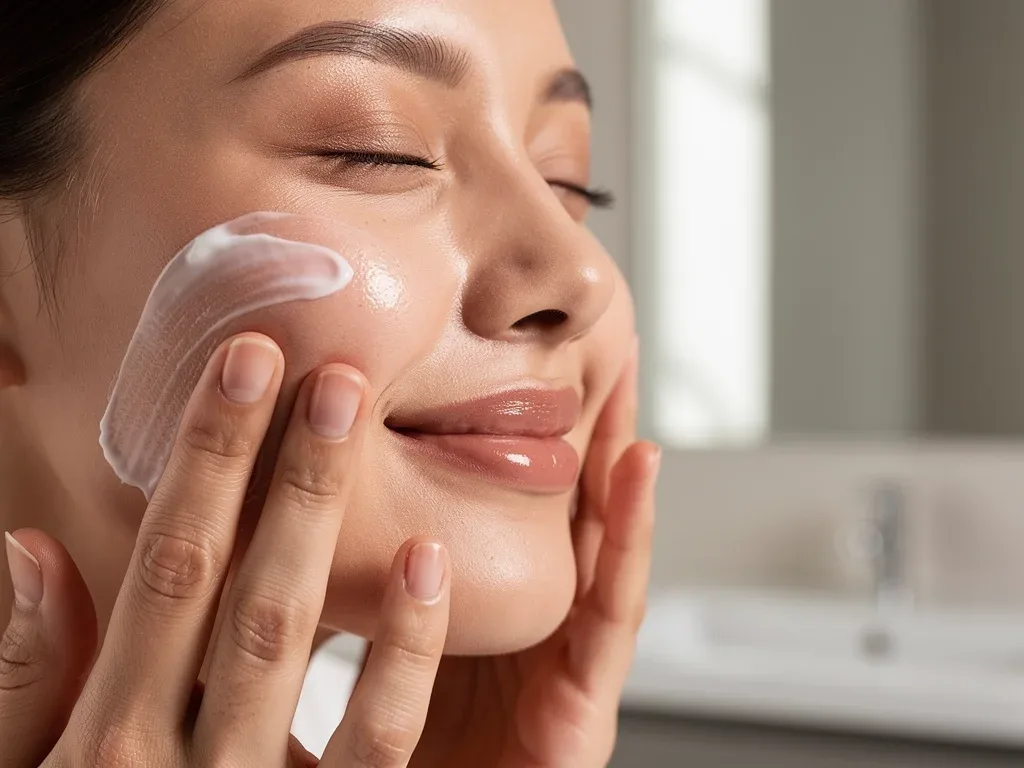
Clinical studies would need to compare ceramide fasting with continued moisturizer use to determine whether the proposed method offers any measurable advantage.
Researchers would also need to assess hydration, TEWL, irritation, and outcomes across different skin types. Consistent improvements would be necessary to support broader claims.
Until such evidence exists, the practice should not be described as a proven method for stimulating ceramide synthesis or restoring damaged skin.
Skin Cycling 2.0 in 2026: Key Takeaways
Skin Cycling 2.0 in 2026 highlights the importance of balancing active skincare products with recovery. However, its proposed 48-hour ceramide fast remains scientifically unverified.
Research supports the role of skin lipids and appropriate moisturizers in barrier function. Taking breaks from irritating ingredients is distinct from withholding ceramides.
The following table summarizes the main concepts and evidence limitations. It can help readers distinguish established skincare principles from emerging claims.
Key Point | Brief Description |
|---|---|
Ceramide Fast | A proposed 48-hour break from ceramide products; its claimed effect on natural ceramide production remains unproven. |
Skin Barrier Repair | Appropriate moisturizing and avoiding irritating exposures can help support the skin's protective function. |
Routine Evolution | Active ingredient rotation may include recovery periods tailored to individual skin tolerance. |
Enhanced Resilience | Consistent barrier-supporting care may improve hydration and comfort without requiring ceramide deprivation. |
Frequently Asked Questions About Skin Cycling 2.0
What exactly is a 48-hour ceramide fast?
A 48-hour ceramide fast is a proposed skincare practice involving two consecutive days without ceramide-containing products. However, there is no established clinical evidence that this pause increases natural ceramide production or accelerates skin barrier repair.
Who can benefit most from Skin Cycling 2.0?
People experiencing irritation from frequent active ingredient use may benefit from a gentler routine with appropriate recovery periods. Those with compromised skin barriers should maintain suitable moisturizing care and seek professional guidance when needed.
How does Skin Cycling 2.0 differ from the original skin cycling?
Traditional skin cycling alternates active ingredients such as exfoliants and retinoids with recovery nights. Some newer variations propose additional steps, including ceramide fasting, but this particular practice has not demonstrated established clinical benefits.
What products should I use during the ceramide fast?
Gentle cleansers and well-tolerated moisturizers are appropriate for barrier-focused care. There is no scientific requirement to avoid ceramide-containing products for 48 hours, especially when the skin is dry, sensitive, or irritated.
How long until I see results from Skin Cycling 2.0?
Results depend on skin condition, products, and individual tolerance. There is no validated timeline for benefits from a ceramide fast. Persistent irritation or barrier problems should be evaluated professionally rather than managed through an unproven schedule.
Looking Ahead
Skin Cycling 2.0 in 2026 reflects continued interest in personalized skincare routines and recovery periods. Its most useful principles involve moderation and attention to the skin barrier.
Although the 48-hour ceramide fast has attracted discussion, there is insufficient evidence that withholding topical ceramides stimulates natural production or improves barrier recovery.
For lasting skin health, appropriate moisturizing, careful use of active ingredients, and professional guidance when necessary remain more reliable than unverified skincare claims.