AI-powered virtual try-on tools 2026: What to expect
Anúncios
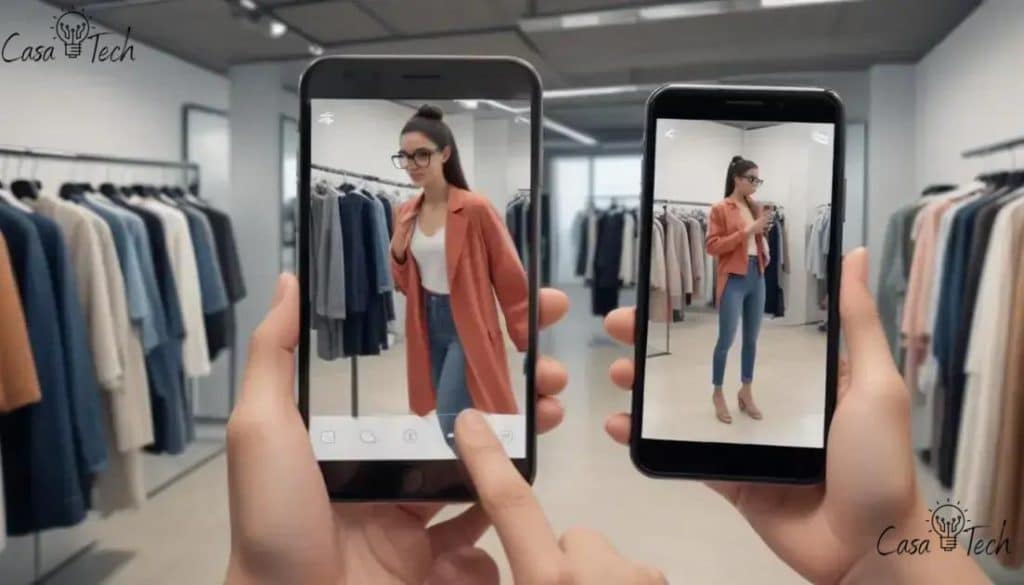
AI-powered virtual try-on tools are transforming online shopping by making it more interactive and personalized. In 2026, these technologies allow consumers to see how clothing, accessories, or even makeup will look on them before buying.
This innovation increases engagement and confidence in purchasing decisions. By reducing uncertainty, it helps shoppers feel more secure, which often leads to higher satisfaction and fewer returns.
As these tools continue to evolve, they will play a major role in shaping the future of e-commerce. Understanding how they work can help you make smarter, more informed shopping choices.
Introduction to AI-powered virtual try-on tools
AI-powered virtual try-on tools are transforming online shopping by making it more visual and interactive. Consumers can preview how products will look on them before completing a purchase.
This creates a more personalized experience, as the technology adapts to individual features and preferences. It helps reduce uncertainty and increases confidence when buying online.
As a result, shoppers enjoy a smoother journey while retailers benefit from fewer returns. This innovation is shaping a more efficient and engaging future for e-commerce.
How Do AI-Powered Virtual Try-On Tools Work?

Benefits of Using Virtual Try-On Tools
- Enhanced shopping experience
- Reduced return rates due to better fitting
- Ability to experiment with different styles easily
Moreover, these tools cater to various industries, including fashion, eyewear, and cosmetics. Imagine being able to see how that new pair of glasses or lipstick looks on you without physically trying them on. It’s convenient and time-saving.
As consumers become more tech-savvy, the demand for AI-powered virtual try-on tools will grow. Brands that adopt these technologies can offer a unique shopping experience that keeps customers engaged and satisfied.
This shift towards a more digital shopping environment is not just a trend; it’s paving the way for the future of retail.
How virtual try-on technology works
Understanding the Technology
Key Components of Virtual Try-On Tools
- 3D Modeling: Products are rendered in three dimensions to give depth and realism.
- Body Tracking: Cameras and sensors track your movements, adjusting the product display in real-time.
- Realistic Simulations: Lighting and shadows are integrated to mimic how products appear in various settings.
As you interact with these tools, you’ll notice that they provide a near-instantaneous response. This speed greatly enhances user engagement and satisfaction. An additional benefit is the ability to visualize different styles without the hassle of trying them on physically.
The integration of AI technology improves the accuracy of the try-on experience. It learns from user data, refining its simulations over time to provide better fitting options. This personalization makes the shopping journey even more enjoyable.
Furthermore, as the technology evolves, we can expect even more innovations. For example, users may soon be able to customize colors and patterns on products in real-time.
Benefits of AI-powered try-on tools for consumers
Improved Shopping Experience
Better Fit and Reduced Returns
AI-powered tools also allow for a more accurate fit. Customers often face the issue of clothing not fitting as expected, leading to high return rates.
With these tools, you can see how an item fits you before you buy it, greatly reducing the chances of needing to return purchases.
- Increased confidence in buying
- Fewer returns due to sizing issues
- Higher satisfaction with purchased items
Moreover, these try-on tools allow users to experiment with their style in a fun way. You can mix and match different outfits or colors and see those combinations instantly.
This interactivity not only engages consumers but also encourages them to discover more about their personal style.
Another benefit of AI-powered try-on tools is their ability to provide personalized recommendations.
By learning your preferences, these tools can suggest items that better match your style, helping you make choices quickly. Shopping becomes less overwhelming with tailored suggestions at your fingertips.
This technology also aids in increasing the overall confidence of consumers. When you can see how an item looks on your own image, it can help reinforce your choices. Feeling good about a purchase can lead to happier customers and repeat business for retailers.
Industry applications of virtual try-on tools
Virtual try-on tools have rapidly gained traction across multiple industries, transforming how consumers engage with products. By leveraging augmented reality and artificial intelligence, these tools create highly immersive and interactive experiences.
Retailers in fashion, beauty, and even eyewear are adopting this technology to bridge the gap between online and in-store shopping. This shift allows customers to make more informed decisions without physical interaction.
As adoption continues to grow, virtual try-on is becoming a standard feature in digital commerce. It enhances user experience, increases confidence in purchases, and drives innovation across the shopping landscape.
Fashion Industry
Cosmetics Industry
The cosmetics industry has also embraced these technologies. Shoppers can try on lipstick or eyeshadow virtually. This not only enhances the customer experience but also allows for experimentation with colors and styles that they might not have chosen otherwise.
- Ability to try various shades
- Increased consumer confidence
- Reduction in product waste
Another compelling application is in the eyewear industry. Customers can virtually try on glasses to find the perfect fit and style.
This feature helps them to visualize how different frames will suit their face shape. The use of virtual try-on tools expands the range of styles a consumer feels comfortable trying.
Additionally, furniture retailers utilize these tools to help customers see how a sofa or table might look in their own living spaces. With just a smartphone, you can visualize furniture in your home environment.
This capability not only boosts sales but also enhances customer satisfaction. As these tools continue to evolve, we expect even broader applications in industries such as jewelry, where trying on expensive items virtually can further improve the shopping experience.
Challenges in implementing virtual try-on technology
Technology Integration
One major challenge is technology integration. Businesses must ensure that their existing systems can support and seamlessly incorporate virtual try-on tools.
This often requires updates to software, infrastructure, and sometimes even hardware. Such changes can be costly and demand significant time and technical expertise.
If not handled properly, integration issues can affect performance and user experience. Therefore, careful planning and investment are essential for successful implementation.
User Acceptance
Another key challenge is user acceptance. Some consumers may be hesitant to trust virtual try-on tools, especially if they doubt the accuracy of the results.
There can also be discomfort in using new technology, particularly when it involves cameras or personal data. This can slow adoption among certain user groups.
To overcome this, companies need strong education and marketing strategies. Building trust through transparency, accuracy, and user-friendly experiences is essential for wider acceptance.
Data Privacy Concerns
Data privacy is a critical issue as well. Virtual try-on tools often require access to personal data, including images and measurements. Companies must prioritize protecting this data to avoid breaches and maintain consumer confidence. Adopting transparent privacy policies can help ease these concerns.
- Implementing strong security measures
- Educating customers about data usage
- Ensuring compliance with regulations
Additionally, high-quality 3D modeling can be complicated to produce. Creating realistic representations of products demands significant resources and expertise, which can be out of reach for smaller companies. Investing in skilled designers or advanced software is necessary for high-quality results.
The changing landscape of technology also poses challenges. As new advancements emerge, businesses must stay updated to remain competitive. Adapting quickly to these changes can overwhelm some companies.
Ultimately, overcoming these challenges requires a strategic approach, focusing on technology, consumer education, and data privacy to harness the benefits of virtual try-on technology.
The future of AI-powered virtual try-on tools
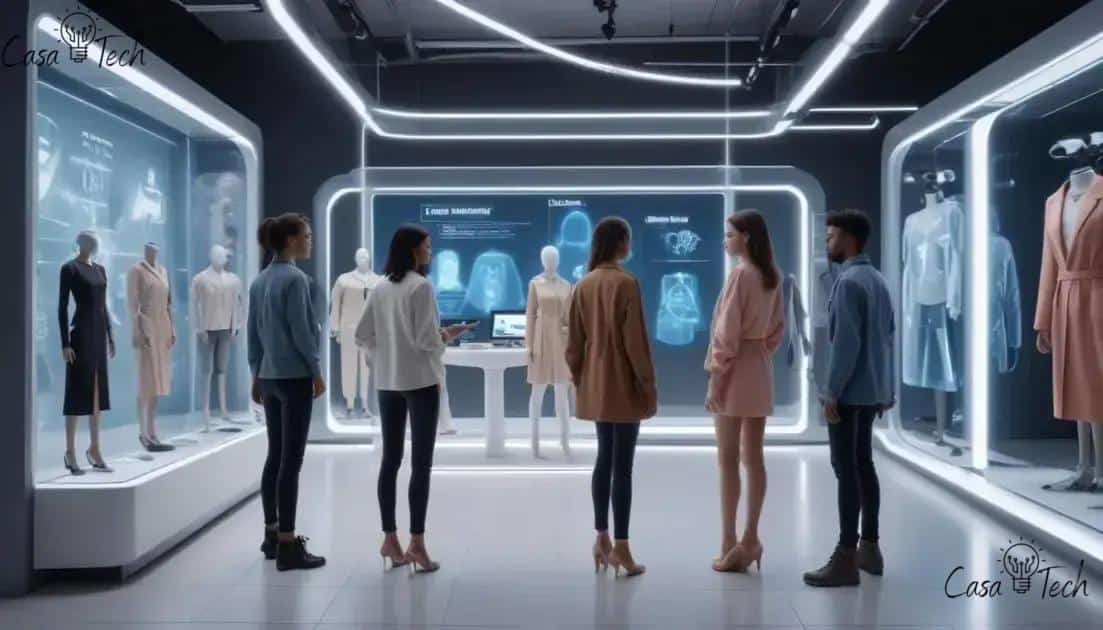
The future of AI-powered virtual try-on tools is highly promising as technology continues to evolve. These solutions are expected to become more accurate, faster, and easier to use.
Advancements in AI and augmented reality will enable even more realistic simulations, improving how products are displayed. This will further enhance confidence in online purchasing decisions.
As adoption grows across industries, the overall shopping experience will become more seamless and personalized. Virtual try-on is set to play a key role in the future of digital commerce.
Increased Realism and Accuracy
Future developments will bring even greater realism to virtual try-on experiences. Advances in 3D modeling and rendering will allow products to appear more natural and detailed.
More sophisticated algorithms will improve how items adapt to individual body shapes and movements. This will result in a more accurate representation of fit and appearance.
As a result, customers will be able to see finer details and make more confident decisions. This level of precision will further enhance trust and satisfaction in online shopping.
Integration with Social Media
Another exciting prospect is the integration of virtual try-on tools with social media platforms. Imagine being able to share your virtual outfits or makeup looks with friends instantly. This connectivity can enhance social interactions around fashion choices and create a sense of community.
- Collaborations between brands and influencers for promotions
- Enhanced user engagement through sharing experiences
- Real-time feedback from social networks
Furthermore, the use of artificial intelligence will enable these tools to provide personalized recommendations.
By analyzing your preferences and shopping behavior, virtual try-on systems will suggest items tailored to your taste. This personalization can streamline the shopping process, making it faster and more enjoyable.
Accessibility is also expected to improve, with more consumers gaining access to advanced technology. As devices, such as smartphones and tablets, become more capable, a larger audience will be able to use these virtual try-on tools, regardless of their location.
Conclusion
We may also see the emergence of virtual reality (VR) experiences in conjunction with AI-powered try-ons.
Customers could step into virtual stores, trying on clothes and accessories in immersive environments. This blend of technology could change the way we perceive online shopping.
As brands continue to innovate and embrace these technologies, they will likely develop solutions that balance convenience, personalization, and fun, reshaping the retail landscape for years to come.
FAQ – Frequently Asked Questions about AI-Powered Virtual Try-On Tools
What are AI-powered virtual try-on tools?
These are advanced technologies that let consumers visualize how products, like clothes or cosmetics, will look on them using augmented reality.
How do these tools enhance the shopping experience?
They provide a more interactive and personalized shopping experience, allowing users to see how items fit without trying them on physically.
What industries can benefit from virtual try-on tools?
Industries such as fashion, cosmetics, eyewear, and furniture can leverage these tools to improve customer engagement and reduce return rates.
What challenges do companies face when implementing these tools?
Challenges include technology integration, user acceptance, data privacy concerns, and creating high-quality 3D models.