AI Fashion-Tech in 2026: Consumer Behavior Insights
Anúncios
Understanding AI in fashion technology
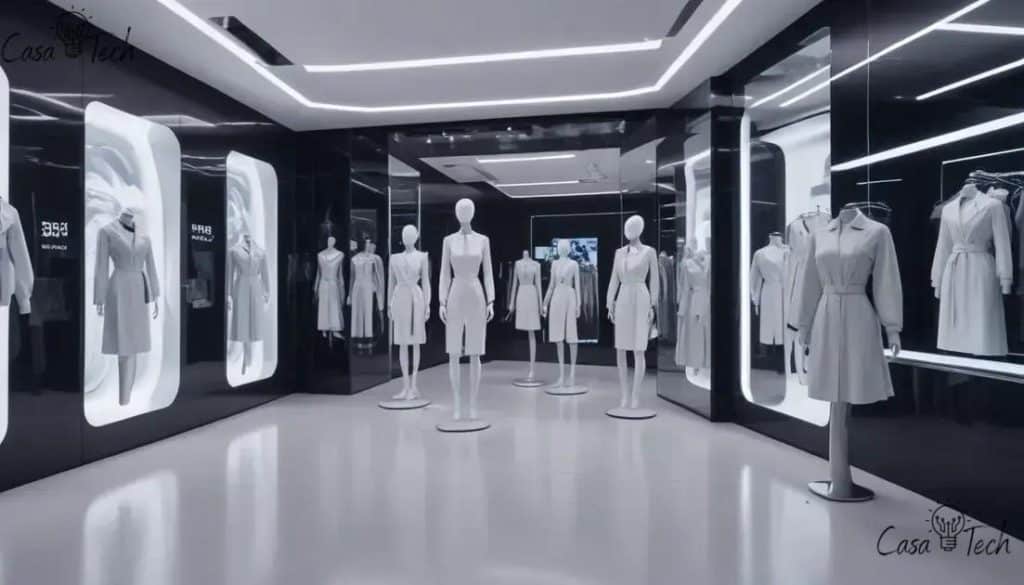
Understanding AI in fashion technology is essential for grasping how the industry is evolving. As technology advances, the way we shop and interact with fashion is changing significantly.
AI enhances the fashion world by enabling brands to tailor their offerings. Data is analyzed to predict trends and streamline inventory management. This allows companies to meet consumer demands more effectively.
With AI, designers can create innovative styles. Technology analyzes consumer preferences and suggests designs that align with current trends. This collaboration between creativity and technology leads to unique fashion pieces.
Personalized shopping experiences
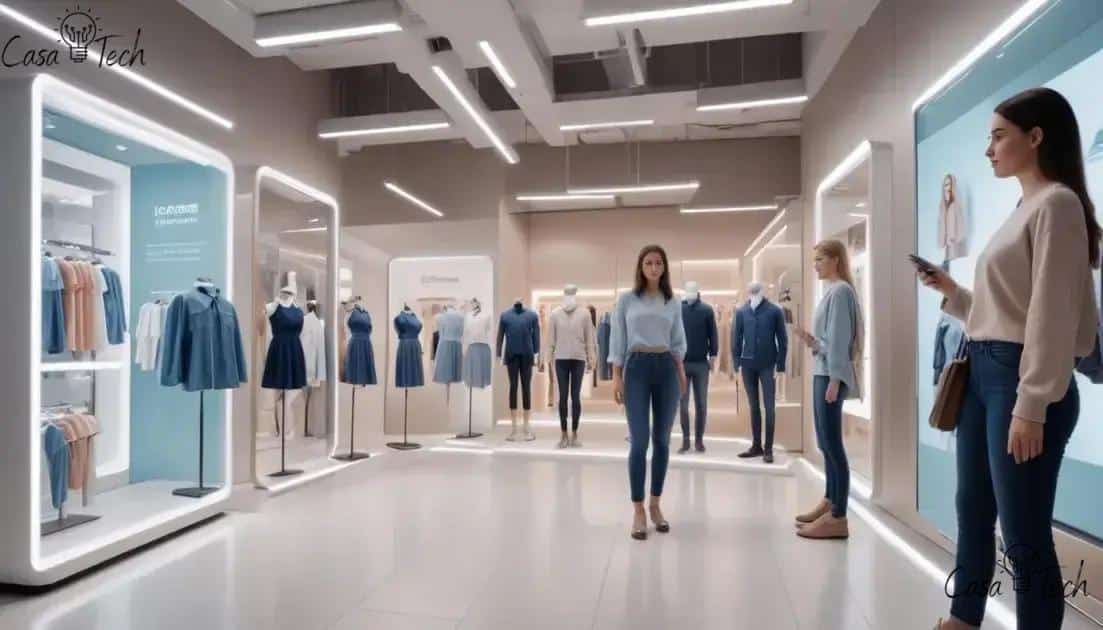
AI also personalizes the shopping experience. For instance, recommendation engines suggest items based on previous purchases. When you visit a website, you might see clothing that matches your style, making shopping easier.
- Improved customer engagement
- Targeted marketing campaigns
- Enhanced online shopping experiences
Moreover, AI helps brands understand their audience. By analyzing buying behavior, companies can tailor their marketing strategies effectively. This means promotions and advertisements will resonate more with potential customers.
As AI continues to develop, its impact on the fashion industry will grow. The integration of AI technologies not only streamlines operations but also enriches consumer interactions, making fashion more accessible and personalized.
Trends in consumer behavior and fashion
Personalization and customization
Another major trend in modern retail is the growing demand for personalization. Today’s shoppers expect experiences that reflect their individual preferences, shopping habits, and lifestyles rather than generic product offerings. As a result, retailers are increasingly using artificial intelligence and data analytics to deliver customized interactions across websites, mobile apps, and marketing channels.
By analyzing browsing behavior, purchase history, and customer preferences, retailers can provide personalized product recommendations, targeted promotions, and curated shopping experiences. These tailored suggestions help consumers discover products that align with their interests, making the shopping journey more convenient, engaging, and enjoyable.
Personalization also plays a key role in building long-term customer relationships. When shoppers feel that a brand understands their needs and consistently delivers relevant recommendations, they are more likely to develop trust, remain loyal, and make repeat purchases. As AI capabilities continue to advance, personalized retail experiences are expected to become even more sophisticated and central to the future of commerce.
The influence of social media
Social media platforms significantly impact fashion trends too. Consumers discover new styles and brands through influencers and peer recommendations. This connection fosters a sense of community around shared fashion interests, making the shopping experience more engaging.
- Growing popularity of online shopping
- Increased focus on brand storytelling
- Demand for transparency in sourcing and production
Additionally, the rise of online shopping has led consumers to seek convenience. E-commerce allows for easy browsing and quick purchases. The ability to shop from anywhere at any time is a key driver of modern consumer behavior.
As these trends evolve, the fashion industry must adapt. Understanding consumer-driven changes is crucial for brands aiming to stay relevant in a competitive landscape. By recognizing and responding to these shifts, companies can better meet the needs of today’s fashion-savvy shoppers.
The impact of AI on shopping experiences
The impact of AI on shopping experiences is transforming the way consumers discover, evaluate, and purchase products. By combining artificial intelligence with technologies such as augmented reality, retailers are creating more personalized, convenient, and interactive shopping journeys that bridge the gap between online and in-store experiences.
One of the most significant innovations is the rise of virtual fitting rooms. Using augmented reality and computer vision, these tools allow shoppers to visualize how clothing, accessories, or cosmetics may look before making a purchase. This technology increases buying confidence, helps customers choose the right size or style, and can reduce product returns by setting more accurate expectations.
Beyond virtual try-on experiences, AI enhances shopping through personalized product recommendations, intelligent search, dynamic pricing, and real-time customer support. As these technologies continue to evolve, retailers are expected to deliver even more seamless, data-driven experiences that improve customer satisfaction while making online shopping faster, smarter, and more engaging.
Enhanced customer service
AI is also transforming customer service through the use of intelligent chatbots and virtual assistants. These tools can respond to customer questions instantly, provide product information, recommend sizes, track orders, and guide shoppers throughout the purchasing process. Their ability to offer immediate assistance improves convenience while reducing wait times.
By analyzing customer preferences, browsing behavior, and purchase history, AI-powered chatbots can deliver personalized recommendations that make the shopping experience more relevant and engaging. This level of customization helps consumers discover products that match their interests while increasing satisfaction and encouraging repeat purchases.
Beyond improving the customer experience, AI-driven support solutions allow businesses to handle large volumes of inquiries efficiently, operating around the clock without interruption. As conversational AI continues to advance, chatbots are expected to become even more capable of providing accurate, personalized, and seamless assistance across multiple digital channels.
Predictive analytics in retail
Predictive analytics, powered by AI, helps brands understand shopping behaviors. By analyzing data, companies can forecast trends and stock items accordingly. This proactive approach ensures that popular products are always available, reducing missed sales opportunities.
- 24/7 availability of customer support
- Increased personalization through tailored suggestions
- Better inventory management
AI also gathers feedback and insights from consumers, allowing brands to adapt quickly. As shoppers provide feedback on their experiences, AI analyzes this data to determine what works best. This continuous improvement cycle creates a better shopping environment.
As AI continues to evolve, its influence on shopping experiences will only expand. From personalized recommendations to smart inventory management, AI is shaping the future of retail in exciting ways.
Sustainable fashion through AI innovations
Sustainable fashion through AI innovations is revolutionizing the clothing industry. Brands are increasingly focusing on eco-friendly practices, and AI plays a crucial role in this shift.
AI helps designers create sustainable fabrics by analyzing materials for their environmental impact. This analysis leads to the development of more eco-friendly textiles.
Additionally, AI can optimize manufacturing processes, reducing waste and energy consumption.
Production efficiency
One of the most significant benefits of using artificial intelligence in the fashion industry is improved production efficiency. By analyzing historical sales data, market trends, seasonal demand, and consumer behavior, AI can generate more accurate demand forecasts, helping brands produce quantities that better match customer needs.
More precise forecasting reduces the risk of overproduction, one of the industry’s biggest challenges. Manufacturing only what is likely to be sold helps lower inventory costs, minimize excess stock, and reduce waste throughout the supply chain. This approach not only improves operational efficiency but also supports more sustainable business practices.
Beyond production planning, AI can optimize inventory management, streamline logistics, and identify emerging fashion trends more quickly. These capabilities enable brands to respond faster to changing consumer preferences while improving profitability and delivering a more efficient, customer-focused shopping experience.
Supply chain transparency
Another key area where AI supports sustainability is in enhancing supply chain transparency. AI tools track materials from source to store, ensuring ethical practices at every step.
Consumers increasingly want to know where their clothes come from, and AI provides the data to help them make informed choices.
- Reduction in fabric waste
- More sustainable sourcing practices
- Enhanced recycling methods for old garments
As the demand for sustainable fashion grows, AI is becoming an essential tool for brands seeking to meet these expectations. It fosters innovation while keeping the planet in mind, creating a win-win scenario for businesses and environmentally conscious Consumer Behavior.
Data analytics in fashion retail
Data analytics in fashion retail is transforming how brands understand their customers. This technology helps retailers analyze trends and consumer behavior, enabling them to make informed decisions.
By collecting data from sales, social media, and online shopping, brands gain insights into what customers want.
This information is vital for optimizing inventory and marketing strategies. For example, if a particular style is trending, brands can adjust their collections accordingly.
Enhancing customer insights
Data analytics provides fashion brands with valuable insights into Consumer Behavior, enabling them to better understand purchasing patterns, style preferences, and shopping habits. By analyzing this information, companies can segment their audiences more effectively and deliver marketing campaigns that are tailored to specific customer groups.
Personalized recommendations have become an important part of the modern shopping experience. Using data from previous purchases, browsing history, and customer preferences, brands can suggest products that are more relevant to individual shoppers. This targeted approach can improve customer satisfaction, strengthen brand loyalty, and increase the likelihood of future purchases.
In addition to supporting personalized marketing, data analytics helps businesses make informed decisions about inventory management, product development, and pricing strategies. By leveraging data-driven insights, fashion retailers can respond more quickly to changing consumer trends while creating more engaging and efficient shopping experiences.
Improving supply chain efficiency
Using data analytics also improves supply chain efficiency. Retailers can predict demand more accurately. This means they can produce the right amount of stock, reducing waste and excess inventory. A streamlined supply chain leads to cost savings and better product availability.
- Identifying fashion trends early
- Enhancing marketing campaigns
- Optimizing pricing strategies
Analytics also plays a crucial role in pricing strategies. Brands can analyze competitor prices and consumer willingness to pay.
This data helps in setting competitive prices while still ensuring profitability. Ultimately, data analytics empowers fashion retailers to stay ahead in a fast-paced market.
Future predictions for fashion-tech consumers
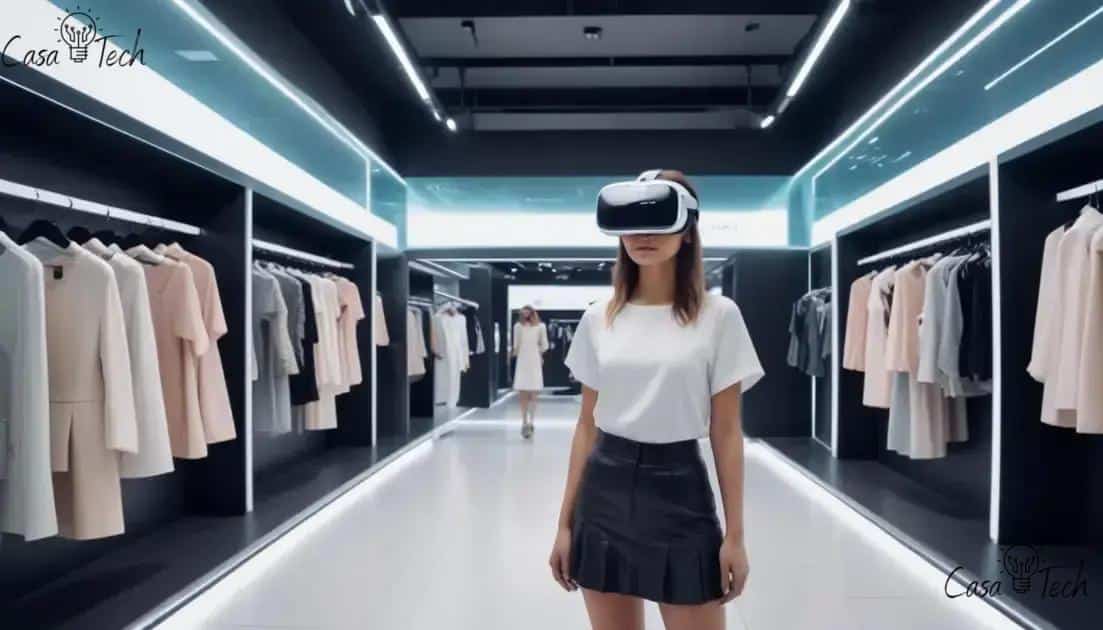
Future predictions for fashion-tech consumers highlight how technology will influence shopping habits and styles in the coming years. As the fashion industry evolves, consumers increasingly expect personalized and tech-driven experiences.
One prediction is the rise of virtual reality (VR) shopping. With VR, consumers could experience a fully immersive shopping environment from their homes.
This innovation will change how people try on clothes and explore new styles, making shopping more engaging.
Increased use of wearable technology
Another emerging trend is the growing integration of wearable technology into everyday fashion. Devices such as smartwatches, fitness trackers, and health-monitoring accessories are increasingly influencing clothing design, encouraging brands to create products that seamlessly combine style with advanced functionality.
As innovation continues, manufacturers are expected to develop garments featuring smart fabrics capable of monitoring health metrics, regulating temperature, or interacting with connected devices. These advancements could improve comfort, support wellness goals, and provide users with real-time insights into their physical activity and overall well-being.
The fusion of fashion and technology is reshaping consumer expectations, with functionality becoming just as important as appearance. As wearable technology becomes more sophisticated and accessible, smart clothing is likely to play a larger role in the future of the fashion industry, offering practical benefits while maintaining modern, stylish designs.
AI-driven personalized shopping
AI will continue to personalize shopping experiences. Machine learning algorithms will analyze consumer behavior to provide tailored recommendations. This means shoppers will receive suggestions based on their unique preferences, leading to higher satisfaction and loyalty.
- Greater focus on sustainability in consumer choices
- Expansion of online stores with augmented reality features
- Shift towards local production and ethical sourcing
The demand for sustainability is expected to rise. Consumer Behavior are becoming more aware of environmental impacts and will likely favor brands that demonstrate eco-friendly practices. This shift will push brands to adopt sustainable materials and transparent sourcing.
As technology advances, the interaction between fashion and tech will deepen. Future consumers will embrace innovations that enrich their shopping experience, making fashion more interactive, personalized, and sustainable.
FAQ – Frequently Asked Questions about AI in Fashion Technology and Consumer Behavior
How is AI changing the shopping experience?
AI enhances the shopping experience by personalizing recommendations, optimizing inventory, and providing real-time assistance through chatbots.
What role does data analytics play in fashion retail?
Data analytics helps fashion retailers understand consumer behavior, forecast trends, and improve supply chain efficiency.
Why is sustainability important in fashion?
Sustainability is crucial as consumers increasingly prefer eco-friendly products, influencing brands to adopt sustainable practices.
What innovations can we expect in future fashion technology?
Future innovations include virtual reality shopping, advanced wearable technology, and enhanced personalized shopping experiences driven by AI.