Switch to Tretinoin 0.05% Without Peeling: The 21-Day Method
Anúncios
The tretinoin sandwich method offers a gentler approach to introducing prescription Tretinoin 0.05% into a skincare routine. Layering moisturizer around the treatment may help reduce dryness and irritation.
This 21-day introduction framework emphasizes gradual application and skin barrier support. Although peeling cannot always be prevented, appropriate moisturizing and careful monitoring may improve treatment tolerability.
Understanding application techniques and potential side effects is essential. This guide explains how the method works, what products to consider, and when professional advice becomes necessary.
Understanding Tretinoin 0.05% and Its Potency
Tretinoin is a prescription vitamin A derivative commonly used to treat acne and certain signs of photoaging. Its effects include influencing skin cell turnover and supporting cellular renewal.
Anúncios
At a 0.05% concentration, tretinoin may cause dryness, redness, or peeling, particularly during initial treatment. The tretinoin sandwich method may help some users manage these reactions.
Individual tolerance depends on skin sensitivity, treatment history, and application frequency. A dermatologist should determine whether this concentration is appropriate before beginning treatment.
The Core Principle of the 21-Day Sandwich Technique
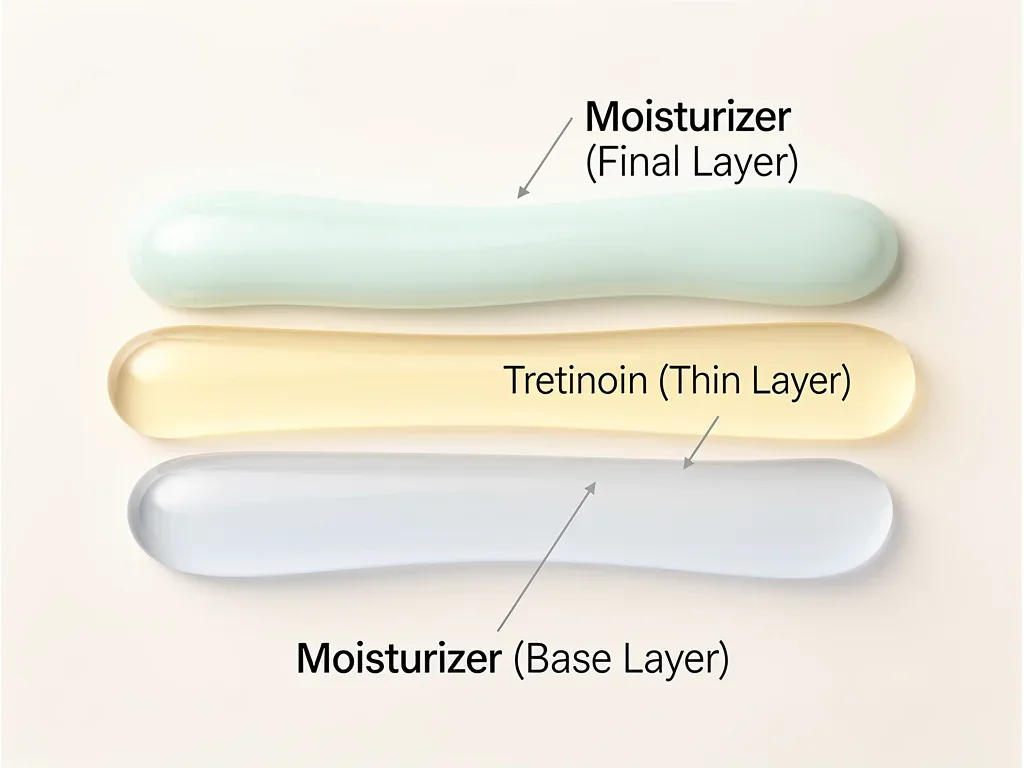
The tretinoin sandwich method involves applying moisturizer before and after a thin layer of prescription tretinoin. This approach aims to reduce irritation while supporting skin hydration.
Moisturizer helps maintain the skin barrier and may improve comfort during treatment. However, the degree of protection varies according to product formulation and individual skin characteristics.
Anúncios
A 21-day framework can provide structure for monitoring early skin responses. Complete adjustment is not guaranteed within three weeks, and application frequency should follow medical guidance.
Preparing Your Skin for Tretinoin 0.05% Integration
Before introducing the tretinoin sandwich method, assess your current skincare routine. Maintaining a healthy skin barrier may reduce discomfort when beginning prescription retinoid treatment.
A gentle skincare routine should emphasize mild cleansing, regular moisturizing, and sun protection. Potentially irritating ingredients, including exfoliating acids and certain Vitamin C formulations, may require adjustment.
Discuss existing products with your dermatologist before combining treatments. Skin affected by active irritation or damaged barrier function may need additional recovery time.
Essential Products for the Sandwich Method
Successful use of the tretinoin sandwich method begins with selecting gentle supporting products. A mild cleanser and fragrance-free moisturizer can help limit unnecessary irritation.
Moisturizers containing ceramides, glycerin, or hyaluronic acid may support hydration. Choose formulations suited to your skin type and avoid ingredients that repeatedly cause discomfort.
Prescription Tretinoin 0.05% should only be used according to a healthcare professional's instructions. Daily broad-spectrum sunscreen is also essential throughout the treatment period.
Gentle Cleanser: A mild product that removes impurities without excessive drying.
Hydrating Moisturizer: A fragrance-free formula containing supportive moisturizing ingredients.
Prescription Tretinoin 0.05%: Use only according to the prescribed directions.
The 21-Day Application Schedule: A Phased Approach
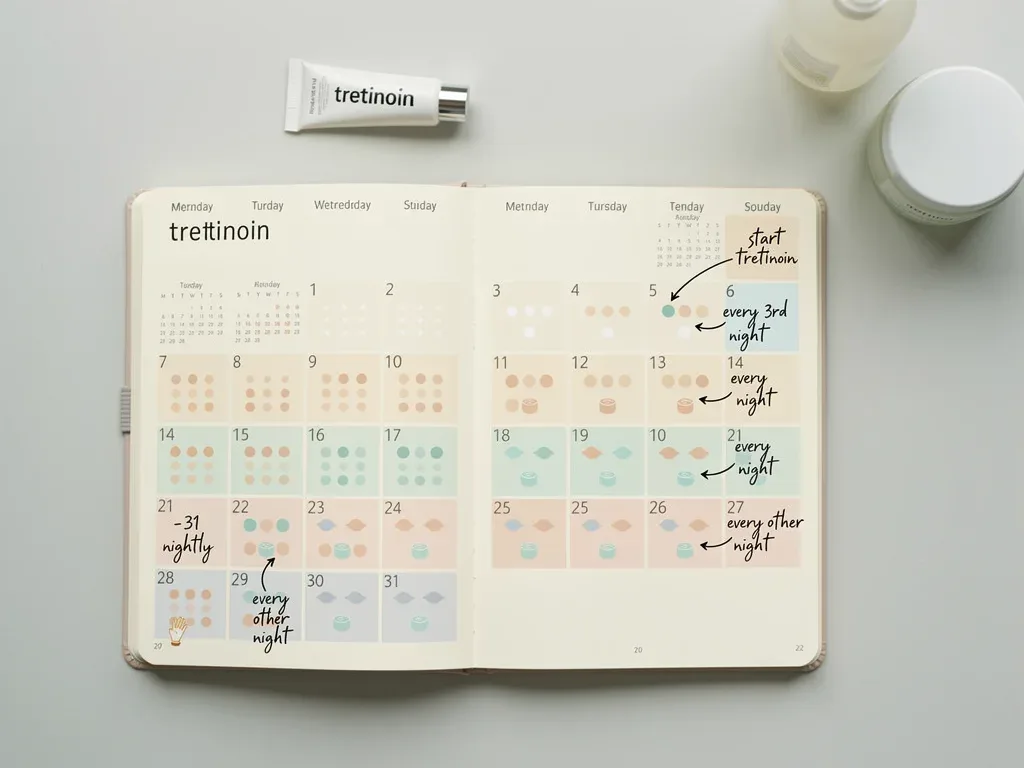
The tretinoin sandwich method can be introduced gradually over a 21-day observation period. This timeframe is a planning framework rather than a medically guaranteed adaptation schedule.
During the first week, a dermatologist may recommend limited application frequency depending on tolerance. Monitoring dryness, redness, and discomfort helps guide subsequent decisions.
During weeks two and three, frequency may be reassessed if the skin remains comfortable. Increasing to nightly application is not required and should never be automatic.
Step-by-Step Guide to the Sandwich Technique
Applying the tretinoin sandwich method starts with gently cleansing the face. Allow skin to dry completely before applying products to help limit unnecessary irritation.
Apply a thin layer of gentle moisturizer and allow it to settle. Then distribute the prescribed amount of tretinoin evenly, avoiding the eyes, lips, and corners of the nose.
Finish with another layer of moisturizer when appropriate for your prescribed routine. Avoid applying tretinoin to broken, sunburned, or significantly irritated skin.
Key Application Tips for Success
A pea-sized amount is commonly recommended for full-face tretinoin application, unless your prescriber directs otherwise. Excess product increases irritation risk without necessarily improving results.
Apply the treatment in a thin, even layer while avoiding particularly sensitive areas. The tretinoin sandwich method should complement professional instructions rather than replace them.
Consistency matters, but skin comfort and treatment safety remain priorities. Do not compensate for missed applications by using additional product or increasing frequency.
Pea-Sized Amount: Use the quantity directed by your dermatologist.
Even Distribution: Apply a thin layer without concentrating the product.
Avoid Sensitive Areas: Keep tretinoin away from eyes, lips, and irritated skin.
Gentle Layering: Use compatible moisturizer as instructed by your prescriber.
Managing Potential Side Effects During the Transition
Even when following the tretinoin sandwich method, mild dryness, redness, and peeling can occur. These reactions are especially common during the early treatment period.
Gentle moisturizing and avoiding aggressive exfoliation may help reduce discomfort. Do not pick peeling skin or introduce additional irritating products without professional advice.
If irritation becomes pronounced, persistent, or painful, stop application and contact your prescriber. Your dermatologist may recommend adjusting frequency, concentration, or treatment approach.
Beyond 21 Days: Maintaining Your Tretinoin Routine
After three weeks, the tretinoin sandwich method may remain useful for maintaining hydration and comfort. However, some individuals require considerably longer adaptation periods.
Patients who tolerate their prescribed treatment may discuss routine adjustments with their dermatologist. Continuing moisturizer layering is acceptable when it supports comfort and treatment adherence.
Long-term skincare should include daily sun protection, gentle cleansing, and regular moisturizing. Treatment outcomes typically develop over weeks or months rather than immediately.
Common Mistakes to Avoid with Tretinoin 0.05%
Using excessive tretinoin is a common mistake that can increase redness and peeling. The tretinoin sandwich method does not eliminate the risks associated with overapplication.
Combining multiple irritating skincare ingredients without guidance may worsen discomfort. Strong exfoliating acids, scrubs, and certain acne treatments can require carefully coordinated use.
Skipping sunscreen or increasing application frequency too quickly may also create problems. Follow prescribed instructions and allow adequate time to evaluate skin tolerance.
Pitfalls to Sidestep
One frequent problem is assuming that visible peeling indicates better treatment results. Irritation does not necessarily mean tretinoin is working more effectively.
Another mistake is treating the tretinoin sandwich method as a guarantee against dryness. Moisturizer can improve comfort, but individual reactions remain possible.
Persistent burning, swelling, severe redness, or skin cracking requires medical attention. Tretinoin should also be avoided during pregnancy or when planning pregnancy unless specifically addressed by a qualified clinician.
Over-application: Using more tretinoin than prescribed.
Inconsistent Sun Protection: Neglecting broad-spectrum sunscreen.
Combining Irritating Products: Introducing strong active ingredients without guidance.
Increasing Frequency Too Quickly: Ignoring signs of skin irritation.
Consulting a Dermatologist for Personalized Guidance
The tretinoin sandwich method may help some patients tolerate prescription treatment, but professional evaluation remains important. A dermatologist can assess sensitivity and individual skincare needs.
Medical guidance helps determine whether Tretinoin 0.05% is appropriate. Some individuals may benefit from different concentrations, alternative formulations, or modified application schedules.
Regular follow-up also provides opportunities to discuss treatment results and unexpected reactions. Personalized adjustments support safer long-term use and realistic expectations.
Key Point | Brief Description |
|---|---|
Sandwich Technique | Moisturizer, tretinoin, and moisturizer layering may improve tolerability. |
21-Day Adaptation | An introductory observation period, not a guaranteed adaptation deadline. |
Side Effect Management | Gentle skincare and professional guidance help address irritation. |
Dermatologist Consultation | Important for determining treatment suitability and monitoring progress. |
Frequently Asked Questions About the Tretinoin Sandwich Method
What is the primary benefit of the 21-Day Sandwich Technique?▼
The tretinoin sandwich method aims to improve tolerability by layering moisturizer before and after prescription tretinoin. This may reduce dryness and irritation for some individuals. However, the technique does not guarantee freedom from peeling, and 21 days is not a universal adaptation period.
Can I use any moisturizer for the tretinoin sandwich method?▼
A gentle, fragrance-free moisturizer is generally preferable. Products containing ceramides, glycerin, or hyaluronic acid may support hydration. Avoid products that repeatedly cause irritation, and consult your dermatologist about compatibility with your prescribed treatment.
How quickly can I expect results from Tretinoin 0.05% with this method?▼
Visible improvements typically require several weeks or months, depending on the condition being treated. The tretinoin sandwich method focuses on tolerability rather than accelerating results. Follow your dermatologist's recommended schedule and avoid increasing application frequency without guidance.
What if I experience severe irritation even with the sandwich technique?▼
If severe redness, burning, swelling, or persistent irritation develops, stop applying tretinoin and contact your healthcare professional. Your treatment may require reassessment, a lower concentration, or another adjustment. Do not continue applying prescription tretinoin through severe reactions.
Is daily sunscreen use still necessary with the 21-Day Sandwich Technique?▼
Yes. Daily broad-spectrum SPF 30 or higher is recommended, along with other sun-protective measures. Tretinoin-treated skin can be more vulnerable to irritation from sunlight, making consistent protection important regardless of the application technique.
What Happens After the Initial Adjustment Period
The tretinoin sandwich method offers a practical approach to supporting skin hydration during prescription retinoid treatment. Its effectiveness depends on individual tolerance and appropriate application.
Some patients may continue moisturizer layering beyond the first 21 days, while others require a modified routine. Avoid expecting identical results or adaptation timelines.
Long-term improvements in skin health depend on suitable treatment, consistent sun protection, and professional monitoring. A gradual, personalized approach can help balance skincare goals with comfort.