Why Your Vitamin C Serum Oxidizes in 30 Days and 3 THD Ascorbate Swaps That Last 12 Months
Anúncios
THD Ascorbate is presented as a more stable Vitamin C alternative for people frustrated by traditional serums that change color and lose effectiveness quickly.
Many L-Ascorbic Acid formulas are sensitive to light, air, heat, and water, which can accelerate oxidation after the product is opened.
Understanding why this happens and how more stable derivatives behave can help consumers choose formulations designed for longer-lasting skincare use.
Understanding Vitamin C Oxidation: The Core Problem
L-Ascorbic Acid is a highly active form of Vitamin C, but its chemical structure also makes it vulnerable to oxidation under common environmental conditions.
Anúncios
Exposure to light, oxygen, and heat can gradually change the serum from clear to yellow, orange, or brown as the active ingredient degrades.
This instability can reduce the expected antioxidant benefits and explains why some traditional Vitamin C formulas have relatively short periods of effective use.
The Science Behind Rapid Degradation
L-Ascorbic Acid readily donates electrons, which supports its antioxidant activity but also makes it particularly susceptible to oxidation over time.
Water-based formulas can accelerate this process, while packaging that repeatedly exposes the product to air or light may further reduce stability.
Anúncios
Ingredients such as ferulic acid and Vitamin E are often added to improve formulation stability, but they do not completely remove the underlying sensitivity.
Environmental Factors Accelerating Oxidation
Light exposure can accelerate the breakdown of L-Ascorbic Acid, especially when products are stored in clear containers or left in bright environments.
Air exposure also contributes because oxygen interacts with the Vitamin C each time the container is opened or a dropper is used.
Heat and water content can further increase degradation, making storage conditions and formulation design important for maintaining product stability.
Light Exposure: UV and visible light can accelerate Vitamin C degradation.
Air Exposure: Oxygen can react with Vitamin C during repeated product use.
Heat and Temperature Fluctuations: Higher temperatures can accelerate chemical reactions.
Water Content: Water-based L-Ascorbic Acid formulas can be more difficult to stabilize.
The Economic Impact of Short-Lived Serums
Rapid oxidation can make Vitamin C serums more expensive to use when consumers need to replace products before finishing the original bottle.
Premium skincare formulas may represent a significant investment, making premature degradation particularly frustrating for regular users.
Frequent replacement can also increase packaging waste, encouraging interest in formulations designed to remain stable for longer periods.
Consumer Frustration and Product Trust
Repeated experiences with rapidly oxidizing serums can reduce consumer confidence in Vitamin C products and in claims about long-term effectiveness.
Visible discoloration may lead users to question whether a product still delivers the skincare benefits they expected when purchasing it.
More transparent information about formulation, storage, and expected product lifespan can help brands manage expectations and improve trust.
Cost-Benefit Analysis for Skincare Enthusiasts
The cost of Vitamin C skincare depends not only on the price of one bottle but also on how much of the product can be used before degradation.
If a serum becomes ineffective quickly, frequent replacement can significantly increase annual skincare spending even when the initial bottle appears affordable.
More stable products may offer better long-term value when their active ingredients remain usable for a larger portion of the product's expected lifespan.
High Initial Investment: Premium Vitamin C formulas can carry higher purchase prices.
Frequent Replacements: Short product life can increase annual spending.
Diminished Efficacy: Oxidized serum may no longer provide the intended benefits.
Search for Alternatives: Consumers may experiment with more stable formulations.
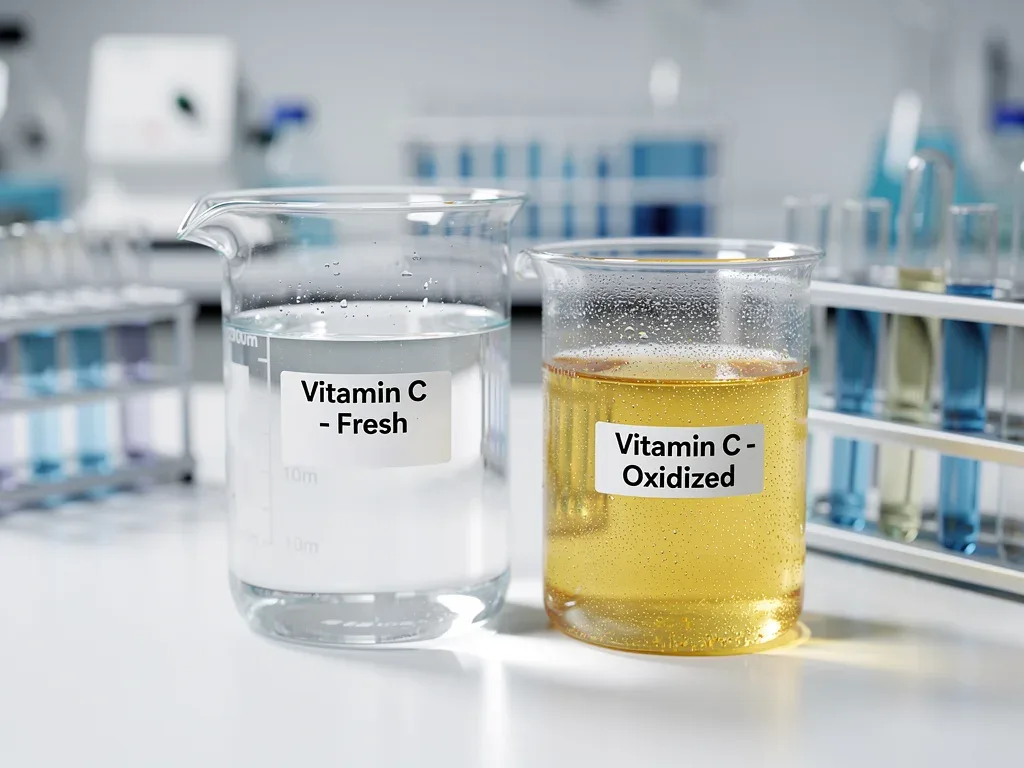
Introducing THD Ascorbate: A Stable Vitamin C Derivative
THD Ascorbate, or Tetrahexyldecyl Ascorbate, is an oil-soluble Vitamin C derivative presented as more stable than conventional L-Ascorbic Acid formulations.
Its lipid-soluble nature allows it to be incorporated into formulas that are less dependent on water, helping reduce some of the conditions associated with rapid oxidation.
This stability makes THD Ascorbate attractive for products designed to maintain potency over a longer period without the same rapid color changes.
Superior Stability and Efficacy
THD Ascorbate is valued for remaining more stable when exposed to environmental conditions that can rapidly degrade L-Ascorbic Acid.
After absorption, it is intended to provide Vitamin C activity within the skin while avoiding some of the formulation challenges of the pure water-soluble form.
The source highlights its potential roles in brightening, collagen support, antioxidant protection, and reducing visible hyperpigmentation.
Benefits of Oil-Soluble THD Ascorbate
The oil-soluble structure of THD Ascorbate can help it integrate effectively with the skin's lipid environment and with oil-based skincare formulations.
It is also often described as gentler than L-Ascorbic Acid, making it appealing to users who experience irritation from more acidic Vitamin C products.
Its improved stability can support longer product shelf life and more consistent use over time when formulas are stored correctly.
Enhanced Penetration: Its lipid-soluble structure supports interaction with the skin barrier.
Reduced Irritation: Often considered gentler than highly acidic Vitamin C formulas.
Extended Shelf Life: Designed for greater stability against light, air, and heat.
Antioxidant Support: Used in formulations intended to protect against environmental stress.
THD Ascorbate Swaps That Last 12 Months: Top Picks
For consumers frustrated by rapid oxidation, THD Ascorbate formulas can offer an alternative designed around greater stability and longer-term use.
These products may combine the derivative with other antioxidants, emollients, or barrier-supporting ingredients to create more complete skincare formulas.
The following three categories represent different ways THD Ascorbate can be incorporated into brightening, anti-aging, and protective skincare routines.
Swap 1: The Potent Brightening Serum
This type of serum typically uses a higher concentration of THD Ascorbate alongside antioxidants such as Vitamin E or ferulic acid.
Formulas may use an anhydrous or low-water base to further reduce exposure to conditions that commonly accelerate Vitamin C oxidation.
The intended focus is usually brightness, uneven tone, and antioxidant support while maintaining better product stability over time.
Swap 2: The Gentle Anti-Aging Elixir
A gentler THD Ascorbate formula may combine the Vitamin C derivative with ingredients such as squalane or ceramides for additional skin comfort.
These products are generally positioned around collagen support, fine-line care, and daily antioxidant use without the acidity of traditional L-Ascorbic Acid serums.
This format may be especially appealing to users who want a stable Vitamin C product but have experienced irritation with stronger acidic formulas.
Swap 3: The Multi-Tasking Protective Oil
Because THD Ascorbate is oil-soluble, it can also be incorporated into facial oils alongside ingredients such as rosehip, marula, or other emollients.
An oil-based format can provide antioxidant support while also helping moisturize the skin and reinforce the barrier through additional lipid-rich ingredients.
This approach combines Vitamin C activity with hydration and may further reduce the oxidation challenges associated with conventional water-based serums.
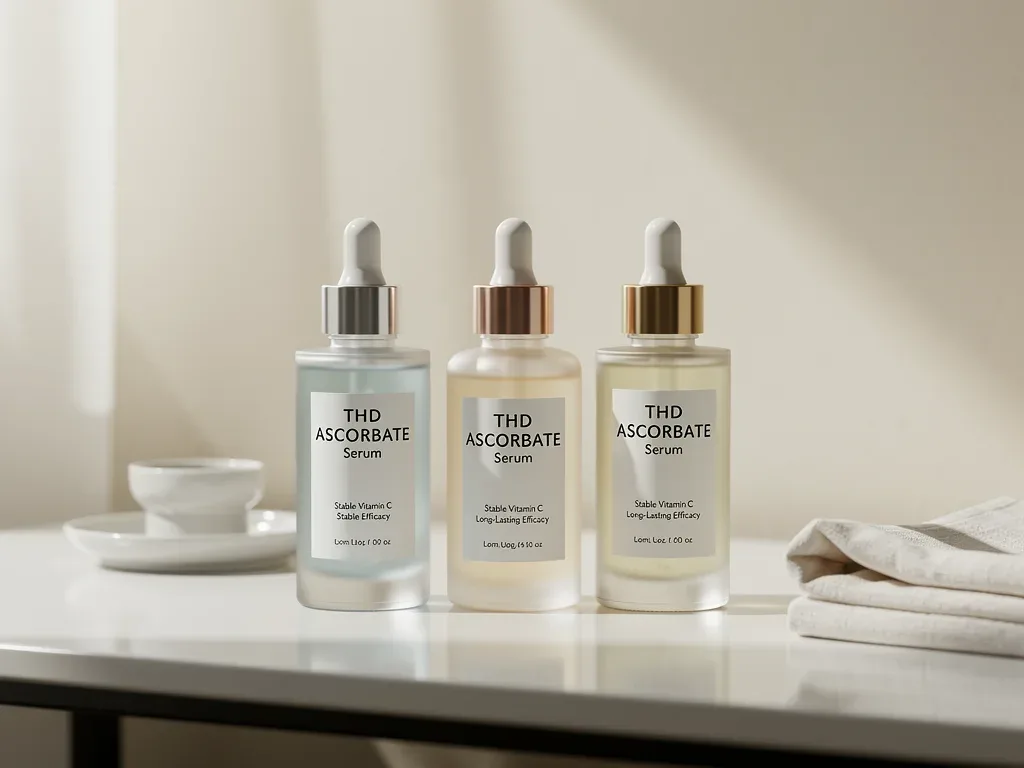
Maximizing the Lifespan of Your THD Ascorbate Serum
Although THD Ascorbate is more stable, good storage practices can still help preserve the quality of the complete skincare formulation.
Products should generally be protected from unnecessary heat, direct sunlight, and repeated exposure to air whenever possible.
Following the manufacturer's storage and usage instructions can help ensure that the formula performs as intended throughout its recommended period of use.
Storage Best Practices for Longevity
Store the product in a cool, dark environment rather than near windows, heaters, or areas that regularly experience high temperatures.
Closing the packaging tightly after each use can reduce unnecessary air exposure and help protect the overall formula over time.
Keeping the serum in its original container is also important because the packaging may be specifically selected to reduce light and contamination exposure.
Application Tips for Optimal Results
Using clean hands during application can reduce the chance of introducing contaminants into the product or around the dispenser.
Dispensing only the amount needed and closing the container immediately can help limit unnecessary exposure during everyday use.
Consistent application according to product instructions is important for evaluating the benefits of a stable Vitamin C formulation over time.
Clean Hands: Reduce unnecessary contamination during application.
Minimal Air Exposure: Close the container promptly after dispensing.
Consistent Use: Follow the product's recommended application schedule.
Layering: Apply according to the formulation and routine instructions provided.
The Future of Vitamin C in Skincare: Stability and Innovation
The development of stable derivatives such as THD Ascorbate reflects a broader effort to improve the reliability of Vitamin C skincare products.
Formulators continue exploring new delivery systems, water-free bases, and ingredient combinations designed to protect active ingredients from premature degradation.
The broader goal is to combine strong skincare performance with formulations that remain stable long enough for consumers to use them consistently.
Emerging Trends in Antioxidant Formulations
Anhydrous formulations are becoming more relevant because removing water can reduce one of the conditions that contributes to L-Ascorbic Acid instability.
Encapsulation techniques can also help shield active ingredients from environmental exposure until they are released during application.
Other delivery technologies, including liposomal and nanoparticle systems, are being explored to improve both ingredient protection and skin delivery.
The Role of Consumer Education and Transparency
Consumers benefit from understanding the differences between L-Ascorbic Acid, THD Ascorbate, and other Vitamin C derivatives used in skincare.
Clear storage instructions and realistic information about product lifespan can help users preserve formulas and recognize when a product may have degraded.
Transparent labeling around ingredient type, expiration, and period after opening can also make it easier to compare products and manage expectations.
Ingredient Understanding: Know which form of Vitamin C is used in the formula.
Storage Guidelines: Follow instructions designed to protect product stability.
Expiration Dates: Monitor expiration and period-after-opening information.
Formulation Benefits: Compare products based on stability as well as active concentration.
Key Aspect | Description |
|---|---|
Oxidation Cause | L-Ascorbic Acid is sensitive to light, air, heat, and water-based environments. |
THD Ascorbate Benefits | Greater stability, oil solubility, and longer product lifespan. |
Swaps Featured | Brightening serum, gentle anti-aging elixir, and protective facial oil. |
Maximizing Longevity | Cool storage, limited air exposure, and proper handling can help preserve the formulation. |
Frequently Asked Questions About Vitamin C Serums
Why does my Vitamin C serum turn orange so quickly?▼
Vitamin C serums containing L-Ascorbic Acid can turn yellow or orange as the ingredient oxidizes after exposure to light, air, heat, or other destabilizing conditions.
What is THD Ascorbate and how is it different?▼
THD Ascorbate is an oil-soluble Vitamin C derivative designed to offer greater stability than traditional L-Ascorbic Acid formulations.
Can an oxidized Vitamin C serum harm my skin?▼
The source explains that oxidation mainly indicates a loss of the intended antioxidant activity and suggests that degraded products may no longer provide their expected skincare benefits.
How long do THD Ascorbate serums typically last?▼
The article describes THD Ascorbate formulations as capable of remaining stable for considerably longer periods, with some products designed for use for up to 12 months when stored properly.
What are the key benefits of switching to THD Ascorbate?▼
The main advantages presented are improved stability, consistent antioxidant support, potential brightening and collagen-related benefits, and less concern about a serum rapidly degrading. More skincare guidance can also help users build a suitable routine.
What This Means for Your Skincare Routine
THD Ascorbate offers an alternative for users who are dissatisfied with Vitamin C formulas that oxidize quickly after opening.
Its greater stability can reduce product waste and make it easier to maintain consistent Vitamin C use over a longer period.
Choosing the right formulation and storing it correctly can help consumers get more reliable use from their skincare products.