Polynucleotide Injections vs. Micro-Needling: 3 Session Results
Anúncios
Polynucleotide injections vs. microneedling represent different approaches to skin rejuvenation, offering potential improvements in hydration, elasticity, skin texture, and acne scars, with results depending on individual circumstances and treatment protocols.
Polynucleotide Injections vs. Microneedling is an increasingly relevant comparison for individuals exploring aesthetic procedures designed to improve skin appearance, texture, and overall quality.
Both treatments involve different mechanisms that may support skin remodeling, although their effectiveness, recovery requirements, and potential complications vary considerably between individual patients.
This guide examines the available evidence, potential results after three sessions, treatment costs, safety considerations, and important factors to discuss with a dermatologist.
Anúncios
Understanding Polynucleotide Injections: Mechanism and Application
Polynucleotide injections involve administering purified DNA-derived compounds into the skin, with the intention of supporting tissue repair and improving selected characteristics of skin quality.
These injectable products are being investigated for their potential effects on skin hydration, elasticity, fine lines, and biological processes associated with tissue regeneration.
When comparing Polynucleotide Injections vs. Microneedling, understanding their different treatment mechanisms provides an important foundation for evaluating potential benefits and limitations.
How Polynucleotides May Support Skin Regeneration
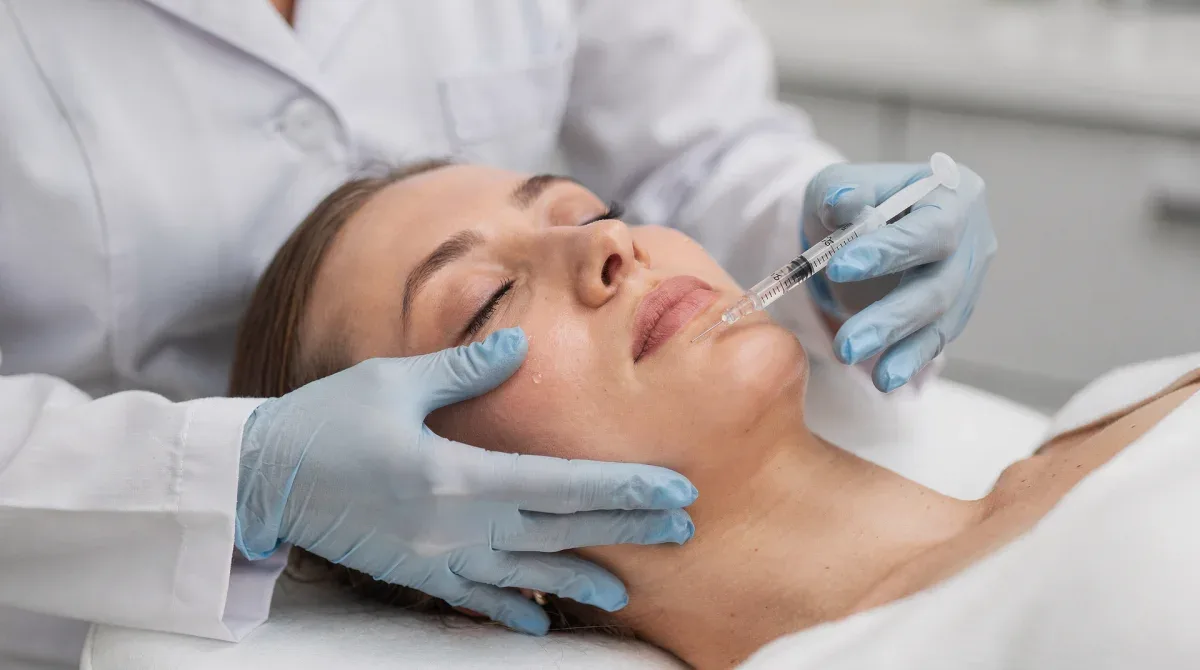
Polynucleotide-based products may influence cellular activities involved in tissue repair, including processes associated with fibroblast activity and the maintenance of the extracellular matrix.
Anúncios
Researchers continue investigating whether these biological mechanisms translate into meaningful improvements in skin appearance, particularly when addressing visible changes associated with aging.
However, proposed cellular mechanisms should not be interpreted as guarantees of clinical effectiveness because treatment outcomes depend on multiple individual and product-specific factors.
Common Areas of Aesthetic Treatment
Polynucleotide treatments have been investigated for facial skin rejuvenation, including delicate areas where changes in hydration, elasticity, and fine lines may become noticeable.
Some clinical studies have examined the skin surrounding the eyes, although treatment suitability depends on product characteristics, medical history, and professional assessment.
The comparison between Polynucleotide Injections vs. Microneedling should account for anatomical differences because certain areas require additional precautions and specialized clinical expertise.
Microneedling: How It Works for Skin Renewal
Microneedling uses specialized devices containing fine needles to create controlled microscopic injuries that stimulate biological processes associated with wound healing and tissue remodeling.
These processes can support collagen production and potentially improve the appearance of selected skin concerns, including certain facial acne scars and wrinkles.
Professional treatment involves evaluating skin characteristics, selecting appropriate equipment, and considering individual risk factors before determining whether microneedling is a suitable option.
Collagen Production and Skin Remodeling
Collagen contributes to the structural integrity of skin, supporting firmness and influencing its appearance as natural biological changes occur throughout the aging process.
Microneedling stimulates a controlled healing response that may encourage collagen remodeling, with visible changes developing gradually rather than appearing immediately after treatment.
Understanding this process is essential when evaluating Polynucleotide Injections vs. Microneedling because their potential effects develop through different biological mechanisms and treatment approaches.
Professional Microneedling and At-Home Devices
Professional microneedling devices differ from many products marketed for home use, particularly regarding their intended applications, needle characteristics, and ability to penetrate skin.
Medical procedures require appropriate infection prevention measures and professional assessment to reduce complications associated with skin injuries and unsuitable treatment conditions.
Individuals should avoid attempting invasive procedures at home or introducing products into punctured skin without appropriate medical guidance and verified product safety.
Key Differences in Treatment Approach and Experience
Polynucleotide Injections vs. Microneedling differ primarily in their application methods, biological mechanisms, treatment objectives, and the clinical evidence supporting their respective aesthetic uses.
Polynucleotide treatments introduce specialized injectable compounds, while conventional microneedling relies on controlled mechanical stimulation without necessarily introducing additional substances into the skin.
These distinctions influence treatment suitability, potential adverse effects, recovery experiences, and the characteristics of improvements that patients may observe following professional aesthetic procedures.
Targeted Action Versus Broad Stimulation
Injectable treatments may allow practitioners to address selected anatomical areas, depending on the product being used and the clinical objectives established during consultation.
Microneedling can treat broader skin surfaces when appropriate, potentially supporting improvements in texture and the appearance of certain types of scarring.
Neither approach is automatically superior because treatment selection requires consideration of individual concerns, available clinical evidence, medical history, and potential procedural risks.
Comparing Skin Rejuvenation Results After Three Sessions
Evaluating Polynucleotide Injections vs. Microneedling after three sessions requires caution because treatment schedules and outcome measurements vary significantly across available clinical studies.
Research involving polynucleotides suggests potential improvements in hydration, elasticity, and fine lines, although the magnitude and consistency of these outcomes require further investigation.
Microneedling may gradually improve selected textural concerns, but completing three sessions does not guarantee a specific degree of improvement or identical results across patients.
What Clinical Research Says About Polynucleotides
A systematic review indexed in PubMed examined polynucleotide applications in aesthetic medicine, reporting promising findings alongside limitations affecting the strength of available evidence.
Differences in treatment techniques, anatomical areas, study populations, and outcome measurements make it difficult to establish standardized expectations for every available injectable product.
Additional controlled studies are needed to determine optimal treatment protocols and establish more reliable comparisons with other established skin rejuvenation procedures.
Potential Improvements After Three Microneedling Sessions
Some individuals may observe improvements in skin texture or the appearance of certain scars after completing a series of professionally administered microneedling treatments.
However, collagen remodeling continues beyond individual treatment appointments, meaning immediate observations may not fully reflect the eventual outcome of the treatment course.
When comparing Polynucleotide Injections vs. Microneedling, evaluation timing should remain consistent because assessing treatments at different recovery stages can produce misleading conclusions.
Why Three Sessions May Not Be Enough for Comparison
Different studies use varying treatment frequencies, follow-up periods, product formulations, and clinical assessment methods, limiting direct comparisons between these two aesthetic procedures.
The number of completed sessions alone cannot establish equivalent treatment exposure because the procedures differ in their application methods and biological effects.
Patients should discuss realistic evaluation timelines with a dermatologist rather than expecting guaranteed improvements based exclusively on the number of scheduled appointments.
Efficacy in Addressing Specific Skin Concerns
The effectiveness of Polynucleotide Injections vs. Microneedling depends partly on the specific skin concerns being addressed and the clinical evidence available for each treatment.
Polynucleotide research frequently focuses on hydration, elasticity, and fine lines, while conventional microneedling has established applications involving selected wrinkles and facial acne scars.
Identifying the underlying characteristics of each skin concern can help practitioners determine whether either treatment represents an appropriate option for individual patients.
Hydration, Elasticity, and Fine Lines
Polynucleotide-based treatments are being investigated for their potential ability to improve skin quality, particularly when addressing concerns involving hydration and visible signs of aging.
Microneedling may also influence the appearance of fine lines through controlled tissue remodeling, although outcomes depend on treatment characteristics and individual healing responses.
Direct comparative evidence remains insufficient to conclude that one procedure consistently provides better results for every concern involving skin hydration, elasticity, or firmness.
Acne Scars and Uneven Skin Texture
Conventional microneedling has recognized applications involving certain facial acne scars, particularly when controlled tissue remodeling may improve the appearance of affected areas.
However, different scar types may respond differently to treatment, making professional evaluation important before selecting microneedling or another dermatological procedure.
Polynucleotide Injections vs. Microneedling should be assessed according to the available evidence for each concern rather than broad claims about universal skin rejuvenation.
Patient Experience and Recovery Timelines
Recovery experiences vary between injectable treatments and microneedling because each procedure affects the skin differently and involves distinct methods of clinical application.
Polynucleotide injections may cause localized swelling, tenderness, bruising, or temporary bumps, while microneedling may produce redness, sensitivity, dryness, and other temporary reactions.
Recovery duration depends on treatment intensity, anatomical location, individual healing characteristics, and whether complications develop following the procedure.
Managing Expectations During Recovery
Temporary changes in skin appearance may occur after either treatment, making it important to discuss anticipated recovery requirements before scheduling professional aesthetic procedures.
Patients comparing Polynucleotide Injections vs. Microneedling should avoid assuming that an injectable treatment necessarily involves less recovery time than a mechanically administered procedure.
Persistent pain, worsening redness, unusual swelling, or other concerning symptoms should be evaluated promptly by a qualified healthcare professional.
Long-Term Benefits and Maintenance
Potential aesthetic improvements may develop gradually as the skin responds to treatment, although the duration of these changes differs between patients and procedures.
Maintenance schedules should be based on professional assessment rather than assuming every patient requires additional treatment at standardized six-month or twelve-month intervals.
Consistent skincare routines and appropriate sun protection remain important components of maintaining overall skin health, regardless of whether individuals pursue professional aesthetic treatments.
Safety Profiles and Potential Side Effects
Safety represents a fundamental consideration when evaluating Polynucleotide Injections vs. Microneedling because both procedures involve disrupting the skin's protective barrier through different methods.
Injectable treatments may cause localized reactions, infection, or other complications, while microneedling can introduce risks involving pigmentation changes, irritation, bleeding, and tissue injury.
Individual medical history, existing skin conditions, medication use, allergies, and treatment characteristics should be assessed before determining whether an aesthetic procedure is appropriate.
Understanding Polynucleotide Injection Risks
Some polynucleotide formulations contain DNA-derived materials obtained from fish sources, making product composition and relevant allergy history important considerations during professional consultation.
Purification methods, manufacturing standards, and regulatory status can vary between products, meaning a favorable safety profile cannot automatically be assumed for every formulation.
Patients should ask practitioners about product authorization, intended use, potential adverse reactions, and the procedures available for managing complications.
Understanding Microneedling Risks
Microneedling may not be appropriate for individuals with certain active skin infections, bleeding disorders, impaired healing, or other medical conditions affecting treatment safety.
Changes in skin pigmentation can also occur, requiring particular attention when evaluating individual risk factors and selecting suitable treatment approaches.
Using appropriately regulated equipment and following professional infection prevention procedures remain essential for reducing avoidable complications associated with invasive skin treatments.
Conventional Versus Radiofrequency Microneedling
Radiofrequency microneedling differs from conventional microneedling because it combines needle penetration with the delivery of radiofrequency energy into selected tissue layers.
The FDA has reported potentially serious complications associated with certain radiofrequency microneedling applications, including burns, scarring, unwanted fat loss, and nerve damage.
When discussing Polynucleotide Injections vs. Microneedling, patients should clarify which microneedling technology is being considered because different devices present different risk profiles.
FDA Regulations and Treatment Authorization in the United States
Regulatory status is an important consideration when evaluating aesthetic procedures because authorization depends on the specific medical device, product, indication, and intended application.
Certain microneedling devices have received FDA authorization for improving facial acne scars, facial wrinkles, or abdominal scars in patients aged 22 and older.
Individuals considering polynucleotide injections should independently verify the regulatory status of the specific product rather than assuming that international availability establishes American authorization.
Official FDA Guidance for Microneedling Devices
The official FDA microneedling devices guidance provides information about authorized applications, potential complications, treatment limitations, and important considerations for individuals exploring these procedures.
The agency also explains that microneedling devices have not been authorized for delivering cosmetics, medications, vitamin solutions, or blood products into the skin.
These distinctions are particularly important when practitioners advertise combined procedures that may fall outside the specific applications evaluated by American regulatory authorities.
Cost Analysis and Value Proposition
The cost of Polynucleotide Injections vs. Microneedling varies depending on treatment location, practitioner qualifications, product selection, equipment requirements, and the anatomical areas involved.
Injectable treatments may involve additional product expenses, while microneedling costs can differ according to device technology and the complexity of each procedure.
Patients should request individualized estimates rather than relying on generalized pricing claims that may not accurately represent the complete treatment expenses.
Evaluating the Total Cost of Three Sessions
Comparing treatment expenses requires considering consultation fees, individual appointments, necessary follow-up assessments, and any additional services recommended during the initial professional evaluation.
Three sessions of either treatment may represent different overall financial commitments depending on product costs, procedure characteristics, and the practitioner's pricing structure.
Potential maintenance expenses should also be discussed, although future treatments should depend on clinical assessment rather than automatically scheduled procedures without individualized justification.
Choosing the Right Treatment for Your Skin
Selecting an aesthetic procedure requires consideration of individual skin characteristics, treatment objectives, medical history, available clinical evidence, and personal preferences regarding recovery.
Polynucleotide Injections vs. Microneedling should be discussed with a qualified dermatologist who can explain relevant benefits, uncertainties, and alternative treatment options.
A suitable treatment plan should prioritize patient safety and realistic expectations rather than promotional promises of immediate, permanent, or universally effective aesthetic improvements.
Can Polynucleotide Injections and Microneedling Be Combined?
Some practitioners explore treatment approaches involving multiple aesthetic procedures, intending to address different skin concerns through complementary biological mechanisms and clinical techniques.
However, evidence demonstrating the superiority of combined polynucleotide injections and microneedling remains limited, particularly when evaluating standardized three-session treatment protocols.
Combining procedures may introduce additional risks, making professional assessment and verification of product-specific regulatory requirements important before considering any such treatment arrangement.
Understanding the Limitations of Combination Treatments
The safety and effectiveness of individual procedures cannot automatically be extended to combined treatments because different products and devices may interact in unexpected ways.
Patients should distinguish between separately administered procedures and techniques that introduce substances through microneedling devices, since these approaches involve different regulatory and safety considerations.
Any proposed combination should be evaluated according to clinical evidence, individual suitability, product authorization, and the availability of appropriate medical supervision.
Perspectives on the Future of Skin Rejuvenation
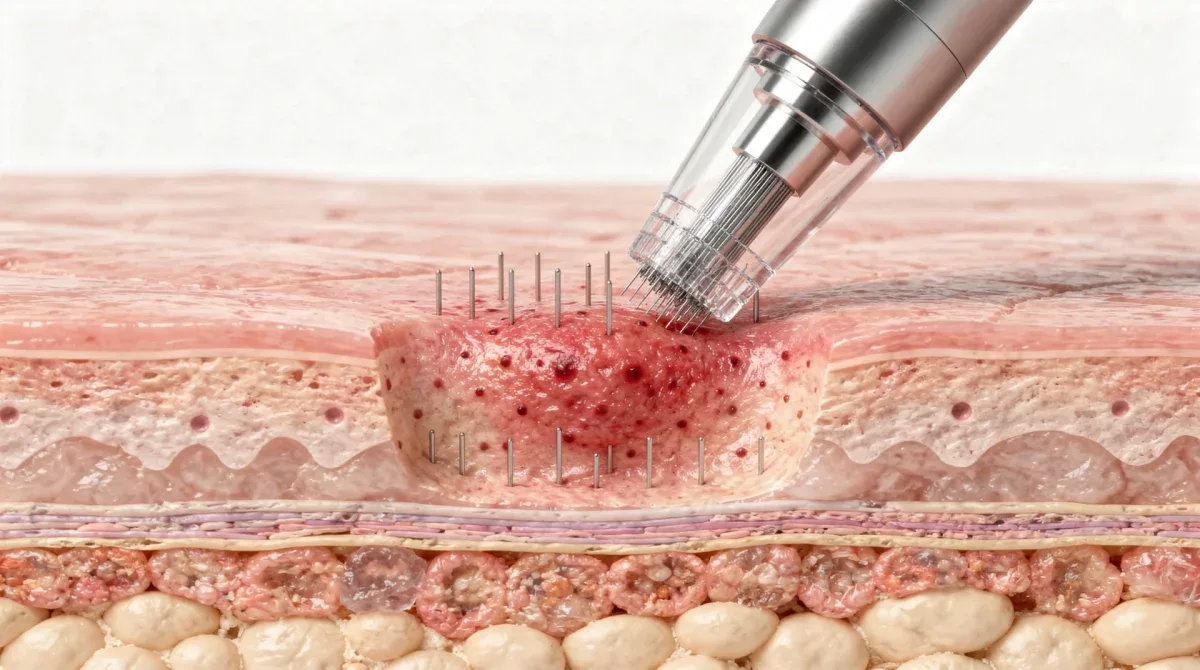
Research surrounding Polynucleotide Injections vs. Microneedling reflects continued interest in developing aesthetic procedures that address different characteristics of skin appearance and tissue quality.
Future studies may provide clearer comparisons involving treatment effectiveness, recovery experiences, long-term outcomes, and the circumstances under which each approach offers meaningful benefits.
Until stronger comparative evidence becomes available, individuals should remain cautious about claims that promise predictable results after a predetermined number of treatment sessions.
Conclusion
Polynucleotide Injections vs. Microneedling represent different approaches to skin rejuvenation, with potential benefits depending on treatment objectives, individual characteristics, and available clinical evidence.
Although both procedures may produce aesthetic improvements, current research does not establish universal superiority or guarantee specific results following exactly three treatment sessions.
Consulting a board-certified dermatologist remains the most appropriate way to evaluate treatment suitability, understand potential complications, and establish realistic expectations before proceeding.
Key Feature | Description |
|---|---|
Polynucleotide Action | Injectable DNA-derived compounds investigated for their potential effects on skin quality and tissue repair. |
Microneedling Action | Controlled mechanical stimulation that encourages wound healing and collagen remodeling. |
Post-3 Session Results | Potential improvements vary between patients, with insufficient evidence to establish universal superiority after exactly three sessions. |
Recovery & Downtime | Polynucleotide injections may cause localized swelling or bruising, while microneedling may cause redness and sensitivity. |
Acne Scars | Selected conventional microneedling devices have FDA authorization for improving the appearance of facial acne scars. |
Hydration and Elasticity | Polynucleotide treatments show promising research findings, although additional high-quality clinical evidence is needed. |
Treatment Costs | Expenses vary according to practitioner, product, equipment, treatment location, and recommended number of sessions. |
Safety Considerations | Both procedures require individual assessment, appropriate infection prevention measures, and consideration of potential adverse effects. |
Combination Treatments | Comparative evidence remains limited, and product-specific regulatory restrictions must be considered. |
Frequently Asked Questions About Skin Rejuvenation
What is the main difference between polynucleotide injections and microneedling?
Polynucleotide injections introduce DNA-derived compounds into the skin to potentially support tissue repair and improve skin quality. Conventional microneedling uses controlled microscopic injuries to stimulate wound healing and collagen remodeling.
How do results compare after three sessions of each treatment?
Polynucleotide treatments may improve hydration, elasticity, and fine lines, while microneedling may improve certain textural concerns and acne scars. However, available evidence does not establish predictable comparative results after exactly three sessions.
Is there significant downtime associated with either procedure?
Both treatments may involve temporary recovery symptoms. Polynucleotide injections can cause swelling, bruising, or tenderness, while microneedling may cause redness, dryness, sensitivity, or minor bleeding. Recovery duration varies according to individual circumstances.
Which treatment is better for reducing acne scars?
Conventional microneedling has more established clinical and regulatory support for certain facial acne scars. However, treatment effectiveness depends on scar characteristics, individual skin conditions, and professional assessment.
Can polynucleotide injections and microneedling be combined?
Some practitioners consider combination approaches, but evidence establishing their superiority and safety remains limited. Patients should discuss product authorization, potential complications, and the clinical justification for combining procedures with a qualified dermatologist.
Are polynucleotide injections suitable for everyone?
No. Suitability depends on medical history, allergies, skin conditions, product composition, regulatory status, and other individual factors. A qualified healthcare professional should determine whether treatment is appropriate.
Are all microneedling devices authorized by the FDA?
No. FDA authorization applies to specific devices and intended uses. Patients should verify the regulatory status of the equipment being used and understand whether the proposed procedure falls within its authorized indications.
Is radiofrequency microneedling the same as conventional microneedling?
No. Radiofrequency microneedling incorporates energy delivery into tissue, while conventional microneedling relies on mechanical stimulation. Their applications, potential benefits, and associated risks differ.
Are skin rejuvenation results permanent?
No aesthetic procedure can guarantee permanent results. Natural aging, sun exposure, individual skin characteristics, and other factors can influence the appearance and duration of treatment-related improvements.
Which is better: Polynucleotide Injections vs. Microneedling?
Neither procedure is universally better. The appropriate choice depends on the specific skin concern, treatment availability, clinical evidence, potential risks, regulatory status, and recommendations provided by a qualified dermatologist.