Polynucleotide Injections vs. Microfocused Ultrasound: Recovery & Results
Anúncios
The comparison of polynucleotide injections vs. microfocused ultrasound highlights important differences in treatment mechanisms, recovery periods, regulatory status, and potential skin rejuvenation results during the first 90 days.
Understanding polynucleotide injections vs. microfocused ultrasound can help individuals evaluate contemporary aesthetic treatments that address different aspects of skin quality, elasticity, firmness, and visible aging.
While polynucleotide injections are being investigated for their potential effects on skin regeneration, microfocused ultrasound uses targeted energy to stimulate tissue remodeling and improve selected aesthetic concerns.
This guide examines available scientific evidence, recovery expectations, potential 90-day outcomes, regulatory differences, and important safety considerations for individuals exploring aesthetic treatments in the United States.
Anúncios
Understanding Polynucleotide Injections for Skin Rejuvenation
Polynucleotide injections involve the administration of purified nucleic acid-based compounds that have attracted scientific interest for their potential applications in regenerative dermatology and aesthetic medicine.
Some formulations are derived from purified fish DNA, particularly salmon or trout, although their composition, manufacturing processes, molecular characteristics, and intended applications may vary between products.
When comparing polynucleotide injections vs. microfocused ultrasound, it is important to distinguish emerging injectable treatments from established energy-based procedures with specific regulatory authorizations.
The Biological Mechanism of Polynucleotides
Researchers have investigated polynucleotides for their potential influence on biological processes associated with tissue repair, fibroblast activity, extracellular matrix remodeling, and skin hydration.
Anúncios
These proposed mechanisms have generated interest in their potential application to fine lines, uneven skin texture, reduced elasticity, and other changes associated with visible skin aging.
However, biological mechanisms observed in experimental settings do not necessarily establish predictable clinical outcomes, making further research necessary to confirm their effectiveness across different patient populations.
Polynucleotides and Polydeoxyribonucleotides
Polynucleotides, commonly abbreviated as PN, and polydeoxyribonucleotides, abbreviated as PDRN, are related nucleic acid-based materials investigated for different potential medical and dermatological applications.
Although these terms sometimes appear together in aesthetic marketing, their molecular characteristics, formulations, proposed mechanisms, and available supporting evidence are not necessarily identical.
Consumers evaluating polynucleotide injections vs. microfocused ultrasound should therefore consider the specific injectable formulation rather than assuming that research findings apply equally to every DNA-derived product.
Potential Benefits for Skin Quality
Early research suggests that selected polynucleotide formulations may contribute to improvements in skin texture, fine wrinkles, elasticity, and perceived hydration in certain clinical circumstances.
A scientific systematic review of polynucleotides in aesthetic medicine identified encouraging findings while emphasizing limitations involving study quality, sample sizes, and differences between treatment protocols.
These findings support continued research, although they do not establish that polynucleotide injections consistently provide significant skin tightening or predictable long-term rejuvenation for every patient.
Exploring Microfocused Ultrasound for Skin Tightening
Microfocused ultrasound is an energy-based aesthetic technology that directs focused acoustic energy into selected tissue layers beneath the skin without requiring surgical incisions.
Specific ultrasound devices are designed to produce controlled thermal effects within targeted tissues, potentially encouraging biological remodeling processes associated with gradual changes in skin appearance.
The comparison of polynucleotide injections vs. microfocused ultrasound becomes particularly relevant because these treatments use fundamentally different approaches to addressing cosmetic concerns.
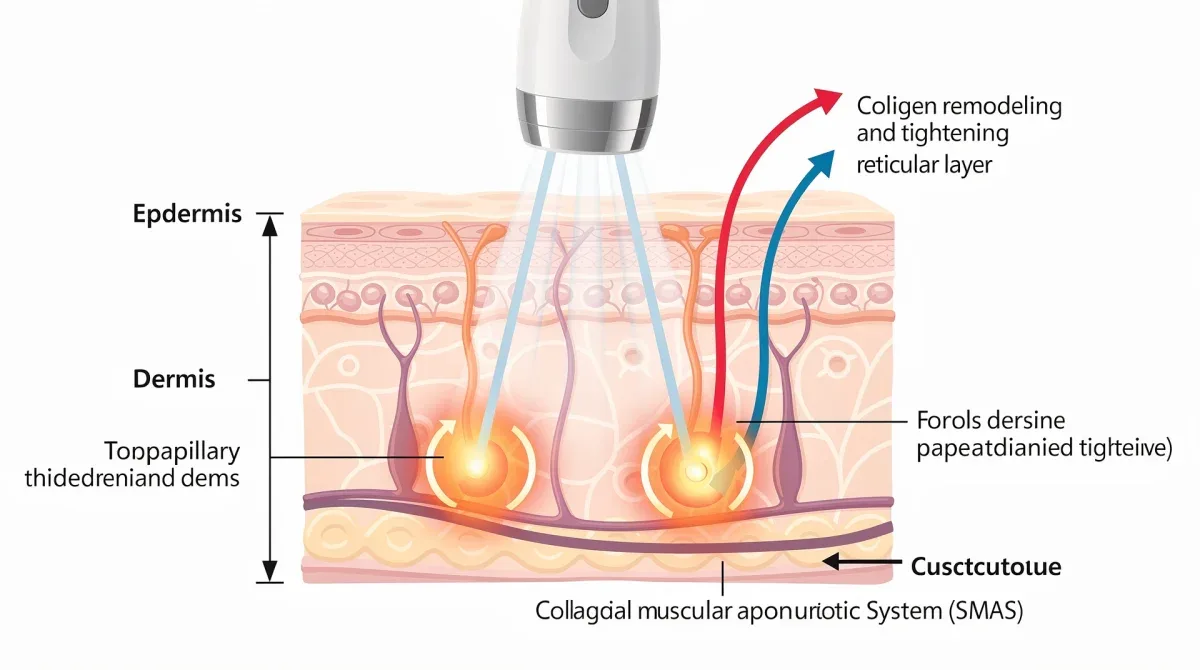
How Microfocused Ultrasound Stimulates Tissue Remodeling
Microfocused ultrasound creates localized thermal treatment zones beneath the skin's surface, initiating biological responses that may stimulate collagen remodeling within appropriately selected tissue layers.
Over time, these processes may contribute to improvements in firmness and tissue appearance, although individual responses depend on treatment parameters, device characteristics, and patient-specific factors.
Unlike injectable treatments, microfocused ultrasound does not involve depositing a foreign injectable formulation into the skin, although it still carries procedural risks requiring appropriate professional oversight.
The Role of Ultrasound Visualization
Certain microfocused ultrasound devices incorporate imaging capabilities that allow qualified practitioners to visualize tissue structures and evaluate treatment depth before delivering focused acoustic energy.
This feature may help operators confirm appropriate device contact and identify relevant anatomical structures, supporting treatment planning according to the device's authorized operating procedures.
When comparing polynucleotide injections vs. microfocused ultrasound, visualization capabilities should be evaluated individually because not every ultrasound-based aesthetic device incorporates equivalent imaging technology.
Common Treatment Areas for Microfocused Ultrasound
Specific FDA-cleared ultrasound systems have indications involving eyebrow lifting, lax tissue beneath the chin and around the neck, and improvement of certain chest-area wrinkles.
Some device authorizations also include selected body areas, although permitted indications depend on the exact equipment model and applicable regulatory documentation.
Individuals interested in skin tightening should confirm whether the proposed treatment area corresponds to the specific device's indications and their individual clinical suitability.
Regulatory Differences Between Both Treatments in the United States
Regulatory status represents an important consideration when evaluating aesthetic treatments because clinical research, international availability, and authorization for commercial use are separate matters.
The comparison of polynucleotide injections vs. microfocused ultrasound reveals meaningful differences in the available regulatory documentation supporting these approaches within the United States.
Patients should verify the specific product or device being offered rather than assuming that every procedure marketed for skin rejuvenation has received FDA authorization.
FDA Status of Aesthetic Polynucleotide Injections
As of November 2026, no FDA-approved injectable polynucleotide product specifically intended for aesthetic facial rejuvenation was identified in the sources reviewed for this guide.
Although certain formulations may be commercially available in other countries, international availability does not establish authorization for equivalent aesthetic applications within the United States.
Consumers should discuss regulatory status and potential safety concerns with qualified medical professionals before considering injectable compounds marketed as polynucleotide-based skin rejuvenation products.
FDA Clearance for Microfocused Ultrasound Devices
The FDA has cleared specific focused ultrasound devices, including designated Ulthera System models, for particular noninvasive aesthetic applications involving selected facial and body areas.
Such clearance applies to individual devices and their authorized indications rather than establishing that every ultrasound-based aesthetic treatment provides equivalent effectiveness or safety.
This distinction is especially important when evaluating polynucleotide injections vs. microfocused ultrasound because their regulatory classifications and supporting evidence should not be treated as interchangeable.
Comparing Recovery Times Between Both Treatments
Recovery considerations can influence aesthetic treatment decisions, particularly for individuals managing professional responsibilities, family commitments, scheduled travel, or important upcoming social events.
Both procedures may involve temporary reactions, although their recovery profiles differ because injections penetrate the skin while microfocused ultrasound delivers energy into selected underlying tissues.
The recovery comparison of polynucleotide injections vs. microfocused ultrasound should account for individual variation rather than suggesting that either treatment guarantees a shorter recovery period.
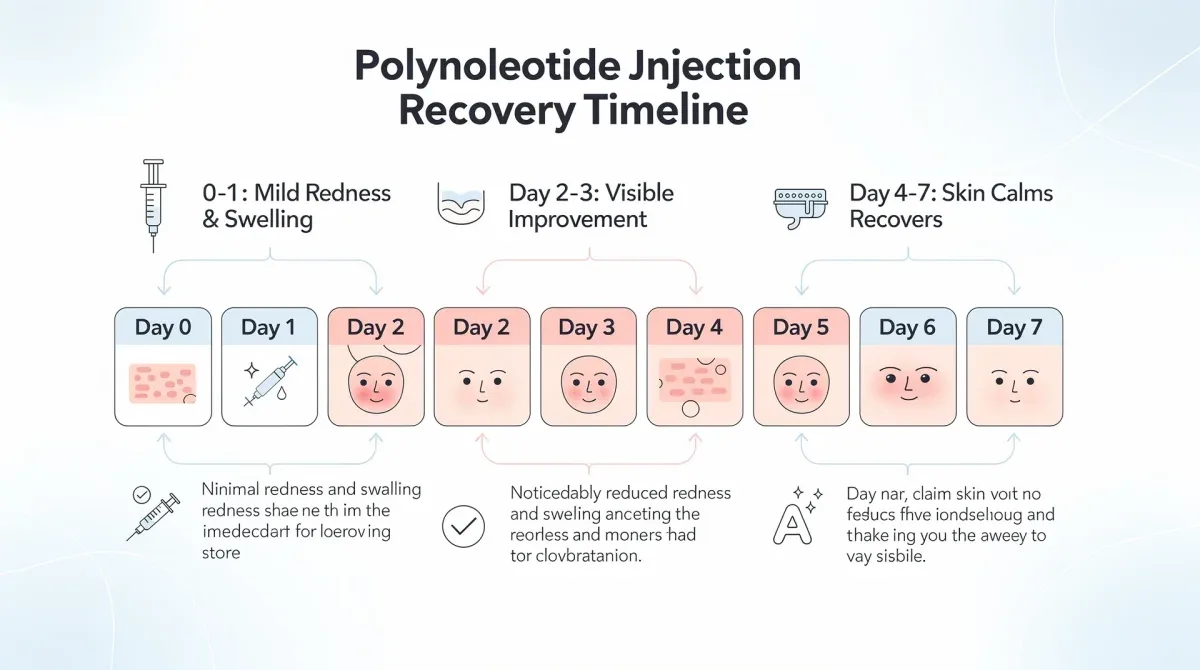
Polynucleotide Injection Recovery Experience
Reported reactions following polynucleotide injections may include localized redness, swelling, tenderness, bruising, and temporary raised areas associated with the placement of injectable material.
Some individuals may experience improvement in these visible reactions within several days, although recovery depends on the formulation, treatment area, individual response, and procedural circumstances.
Persistent swelling, increasing pain, unusual discoloration, or other concerning symptoms require appropriate medical evaluation rather than being automatically interpreted as expected post-treatment reactions.
Microfocused Ultrasound Recovery Experience
Microfocused ultrasound treatments may produce temporary redness, swelling, tenderness, tingling, or discomfort within treated areas, particularly following procedures targeting deeper tissue structures.
Some individuals can resume routine activities shortly after treatment, while others may experience sensitivity or discomfort that persists beyond the initial recovery period.
When comparing polynucleotide injections vs. microfocused ultrasound, recovery should be discussed according to the individual's medical history, treatment intensity, device specifications, and anticipated response.
Understanding Social Downtime Versus Physical Recovery
Social downtime describes the period during which visible treatment reactions may affect an individual's willingness to participate in professional activities, public events, or social interactions.
Physical recovery may continue beyond this period because tissue sensitivity, tenderness, or other symptoms can remain present even after visible reactions have diminished.
Recognizing this distinction helps individuals establish more realistic expectations when planning aesthetic procedures around employment responsibilities, travel arrangements, or important personal commitments.
Comparing 90-Day Skin Tightening Results
A ninety-day assessment provides a useful opportunity to evaluate gradual aesthetic changes, particularly for treatments associated with biological processes that develop over extended periods.
However, the comparison of polynucleotide injections vs. microfocused ultrasound requires consideration of different treatment objectives, research methodologies, patient characteristics, and clinical outcome measurements.
Available evidence does not establish a universal head-to-head winner at ninety days, making it important to distinguish separate study findings from directly comparable clinical results.
Potential Polynucleotide Results at 90 Days
Selected studies involving polynucleotide treatments have reported improvements in cosmetic outcomes such as skin texture, fine wrinkles, elasticity, and patient satisfaction during follow-up assessments.
These potential changes generally relate to skin quality rather than demonstrating predictable lifting of deeper facial tissues comparable to specifically designed energy-based tightening procedures.
When evaluating polynucleotide injections vs. microfocused ultrasound, consumers should recognize that injectable treatment protocols and reported assessment intervals vary considerably between available clinical studies.
Potential Microfocused Ultrasound Results at 90 Days
Microfocused ultrasound may produce gradual changes in the appearance of selected treatment areas as biological tissue remodeling continues following the initial energy-based procedure.
Some individuals notice improvements in the appearance of mild skin laxity within several months, although the degree of tightening varies according to individual circumstances.
A ninety-day assessment may provide useful information concerning treatment response, but it does not guarantee substantial lifting, improved facial contours, or a specific cosmetic outcome.
Why Direct Results Comparisons Can Be Misleading
Clinical research may assess skin hydration, wrinkle severity, elasticity, tissue lifting, patient satisfaction, or other aesthetic outcomes using substantially different measurement methods.
Comparing improvements across separate studies without accounting for these methodological differences can produce misleading conclusions about the relative effectiveness of individual aesthetic treatments.
A reliable comparison of polynucleotide injections vs. microfocused ultrasound would require appropriately designed head-to-head studies using comparable patient populations, standardized measurements, and equivalent follow-up periods.
Understanding the First 90 Days After Aesthetic Treatment
Changes following aesthetic treatments may develop gradually, making it important to distinguish immediate procedural reactions from longer-term improvements associated with tissue remodeling or other biological responses.
Individuals should establish realistic assessment intervals with their medical provider instead of judging treatment effectiveness exclusively through appearance changes observed immediately after a procedure.
The following timeline provides a general educational framework for understanding polynucleotide injections vs. microfocused ultrasound rather than a guaranteed recovery or clinical outcome schedule.
Days 1 to 7: Initial Recovery
During the initial recovery period, injectable procedures may produce visible treatment-site reactions, while ultrasound treatments may cause tenderness, swelling, redness, or other temporary symptoms.
Individuals should follow procedure-specific aftercare instructions provided by their qualified healthcare professional and monitor unexpected changes that may require additional medical evaluation.
Immediate differences in skin appearance may reflect temporary swelling or other procedural effects rather than permanent changes in elasticity, hydration, or underlying tissue structure.
Days 8 to 30: Early Follow-Up
During the following weeks, temporary treatment reactions may diminish, allowing individuals and medical professionals to assess the treated area with fewer immediate procedural effects.
Some patients may notice early cosmetic changes, although the timing and extent of improvement depend on the procedure, individual response, and underlying treatment objectives.
When evaluating polynucleotide injections vs. microfocused ultrasound, early follow-up assessments should be interpreted cautiously because longer-term biological changes may still be developing.
Days 31 to 90: Evaluating Developing Results
During this period, selected aesthetic treatments may demonstrate progressively observable changes as associated biological processes continue within the treated skin or underlying tissues.
Clinical follow-up can help evaluate whether observed changes correspond to the original treatment objectives while identifying any persistent symptoms or unexpected cosmetic outcomes.
Individuals should avoid assuming that limited improvements automatically indicate the need for additional treatment without receiving an appropriate professional assessment of their circumstances.
Long-Term Efficacy and Maintenance Considerations
The duration of aesthetic treatment results depends on multiple factors, including age, skin characteristics, environmental exposure, treatment intensity, product selection, and individual biological responses.
When comparing polynucleotide injections vs. microfocused ultrasound, available research does not support a single maintenance schedule that applies consistently to all patients and treatment protocols.
Follow-up recommendations should therefore be based on individual clinical assessments rather than fixed promises about how long aesthetic improvements will remain visible.
Sustaining Potential Polynucleotide Benefits
Research involving polynucleotide injections has examined different treatment schedules, formulations, application areas, and follow-up periods, making standardized maintenance recommendations difficult to establish.
Some published protocols involve multiple treatment sessions, although the optimal treatment frequency and long-term safety of repeated aesthetic exposure require stronger supporting evidence.
Consumers should avoid assuming that regular booster injections are medically appropriate simply because repeated treatments are promoted within international aesthetic markets.
Maintaining Microfocused Ultrasound Results
Microfocused ultrasound may produce aesthetic changes that persist beyond the initial assessment period, although the duration of improvement varies between individuals and treatment circumstances.
Natural aging, changes in body composition, environmental exposure, and other biological factors continue affecting skin appearance after an energy-based aesthetic procedure.
When considering polynucleotide injections vs. microfocused ultrasound, maintenance decisions should follow an individualized clinical evaluation rather than automatically scheduling repeated annual or semiannual procedures.
The Importance of Everyday Skincare
A consistent skincare routine can complement professional aesthetic guidance by addressing everyday concerns involving skin hydration, sun exposure, and the maintenance of general skin health.
Appropriate sun protection and gentle skincare products may help reduce avoidable environmental stress, although these practices cannot guarantee the preservation of aesthetic treatment results.
Individuals should consult their healthcare professional about suitable products and temporary skincare restrictions following procedures that may affect skin sensitivity or the protective skin barrier.
Patient Selection and Treatment Suitability
Choosing an appropriate aesthetic treatment requires consideration of individual skin concerns, medical history, previous cosmetic procedures, expected outcomes, and the available evidence supporting different options.
The comparison of polynucleotide injections vs. microfocused ultrasound should therefore focus on specific clinical objectives instead of assuming that one approach is universally suitable.
A consultation with a qualified dermatologist or appropriately trained medical specialist can help determine whether a proposed procedure is clinically and legally appropriate.
Individuals Interested in Improving Overall Skin Quality
Patients concerned about fine lines, uneven texture, or reduced skin hydration may explore different dermatological approaches designed to address surface-level cosmetic characteristics.
Polynucleotide formulations have been investigated for some of these objectives, although regulatory limitations and the current strength of clinical evidence remain important considerations.
Established skincare approaches and appropriately authorized dermatological treatments should also be discussed before pursuing emerging injectable procedures with uncertain long-term safety or effectiveness.
Individuals Interested in Addressing Mild Skin Laxity
Microfocused ultrasound may be considered for appropriately selected individuals seeking temporary improvements in the appearance of certain areas affected by visible skin laxity.
Clinical suitability depends on anatomical characteristics, treatment location, medical conditions, previous procedures, and whether expected improvements remain consistent with the device's authorized indications.
The comparison of polynucleotide injections vs. microfocused ultrasound should recognize that neither procedure necessarily produces results equivalent to surgical approaches for substantial tissue laxity.
When Aesthetic Treatment May Be Inappropriate
Active skin infections, certain medical conditions, previous adverse reactions, relevant medications, and other circumstances may influence whether an individual can safely undergo particular aesthetic procedures.
Pregnancy, implanted medical devices, existing cosmetic materials, or recent treatments may also require individualized evaluation according to the procedure and applicable product instructions.
Consumers should disclose relevant medical information to their healthcare professional before treatment and avoid proceeding when important safety questions remain unresolved.
Potential Risks and Side Effects of Both Treatments
Although aesthetic procedures are often marketed as convenient alternatives to surgery, both injectable and energy-based treatments can produce adverse effects requiring appropriate clinical attention.
The potential risks associated with polynucleotide injections vs. microfocused ultrasound differ according to their administration methods, targeted tissue structures, equipment characteristics, and individual circumstances.
Understanding these differences is essential for informed consent, particularly when evaluating procedures involving emerging formulations or devices intended to deliver energy beneath the skin.
Risks Associated With Polynucleotide Injections
Potential injectable treatment complications may include pain, bruising, swelling, infection, inflammatory reactions, allergic responses, and other problems associated with administering materials into body tissues.
The risk profile depends on the specific formulation, manufacturing quality, sterility, injection location, individual medical history, and the qualifications of the person performing the procedure.
Limited long-term clinical evidence means that the absence of serious complications in small studies should not be interpreted as proof of comprehensive product safety.
Potential Side Effects of Microfocused Ultrasound
Microfocused ultrasound may produce temporary redness, swelling, tenderness, bruising, tingling, or changes in sensation associated with treatment of the selected skin and tissue areas.
More consequential complications can include burns, nerve-related symptoms, scarring, or unwanted tissue changes, depending on the equipment, treatment parameters, anatomical location, and procedural circumstances.
When comparing polynucleotide injections vs. microfocused ultrasound, patients should discuss both common reactions and potentially serious complications with their qualified medical provider before proceeding.
Understanding Allergy and Infection Concerns
Injectable formulations derived from biological materials may raise important questions concerning product composition, purification methods, previous allergic reactions, and individual sensitivity to specific ingredients.
Any procedure involving penetration of the skin also creates potential infection risks, particularly when products, equipment, or clinical environments do not meet appropriate safety standards.
Qualified medical professionals should evaluate relevant allergies and medical history before recommending any procedure involving injectable substances or other aesthetic interventions.
Recognizing Symptoms That Require Medical Attention
Increasing pain, persistent swelling, spreading redness, fever, unusual skin discoloration, or unexpected changes in sensation may require medical evaluation after an aesthetic procedure.
Sudden visual disturbances, breathing difficulties, severe allergic symptoms, or rapidly worsening reactions should be treated as urgent medical concerns requiring immediate professional assistance.
Individuals should not dismiss concerning symptoms as normal recovery or attempt to manage potentially serious complications exclusively through online advice or unverified home remedies.
Can Polynucleotide Injections and Microfocused Ultrasound Be Combined?
Combining different aesthetic technologies has attracted interest because individual procedures may address distinct concerns involving skin texture, tissue appearance, hydration, and visible laxity.
However, proposed combinations of polynucleotide injections vs. microfocused ultrasound should not be presented as proven to provide superior results without sufficient supporting clinical evidence.
Combination treatments require individualized consideration of regulatory status, product characteristics, anatomical structures, procedural risks, and the potential interaction between different aesthetic interventions.
Understanding the Evidence for Combination Treatments
Researchers may investigate whether different aesthetic approaches produce complementary effects, particularly when individual procedures are intended to address separate aspects of visible skin aging.
Nevertheless, theoretical compatibility does not establish clinical superiority, and evidence supporting specific treatment combinations may be limited or based on small observational studies.
Consumers should distinguish experimentally investigated combination protocols from established clinical recommendations supported by appropriately designed research and applicable regulatory authorizations.
Why Treatment Scheduling Requires Professional Evaluation
The timing of multiple aesthetic procedures may influence tissue sensitivity, recovery requirements, potential complications, and the ability to evaluate the individual effects of each treatment.
Medical professionals should consider existing cosmetic materials, recent procedures, healing progress, and relevant clinical documentation before recommending additional interventions within the same treatment area.
There is no universal treatment interval established by this comparison of polynucleotide injections vs. microfocused ultrasound, and individualized medical guidance remains essential.
Cost and Practical Considerations for Aesthetic Treatments
The financial requirements associated with aesthetic treatments vary according to geographic location, healthcare provider, treatment area, equipment selection, number of sessions, and follow-up arrangements.
Consumers comparing polynucleotide injections vs. microfocused ultrasound should evaluate the complete anticipated financial commitment rather than relying exclusively on advertised prices for individual treatment sessions.
It is also important to consider regulatory authorization, professional qualifications, consultation requirements, and the potential costs associated with managing unexpected procedural complications.
Understanding Total Treatment Costs
Some aesthetic procedures involve multiple appointments, while others may be performed during a single session followed by clinical assessments or additional treatment when appropriate.
The number of recommended sessions can significantly influence total expenses, especially when advertised treatment prices do not include consultations, follow-up appointments, or other associated services.
Request a clear written explanation of expected costs and proposed treatment objectives before making financial commitments involving elective aesthetic procedures.
Comparing Convenience and Recovery Requirements
Appointment duration, travel requirements, temporary treatment reactions, and follow-up commitments may influence the practical suitability of aesthetic procedures for individuals with busy schedules.
Consumers should consider whether they can reasonably accommodate recovery requirements and access appropriate medical assistance if unexpected complications develop after treatment.
The comparison of polynucleotide injections vs. microfocused ultrasound therefore involves practical and safety-related considerations in addition to potential cosmetic improvements and initial treatment expenses.
How to Evaluate an Aesthetic Treatment Provider
Selecting an appropriately qualified healthcare professional is an important consideration when exploring aesthetic procedures involving injectable biological materials or medical energy-based treatment devices.
Patients should obtain information about professional licensing, relevant clinical experience, equipment authorization, infection prevention procedures, and available support for managing potential complications.
Responsible providers should explain the limitations of available evidence, discuss alternative treatments, and avoid guaranteeing specific cosmetic outcomes or completely risk-free recovery.
Questions to Ask During the Initial Consultation
Ask which specific product or device would be used, whether it has relevant FDA authorization, and what evidence supports its application to your individual aesthetic concern.
Discuss expected recovery, potential side effects, contraindications, anticipated costs, available alternatives, and how the provider manages unexpected complications following aesthetic treatment.
These questions can help individuals evaluate polynucleotide injections vs. microfocused ultrasound through a more informed clinical discussion rather than relying exclusively on promotional materials.
Recognizing Misleading Aesthetic Treatment Claims
Marketing statements promising guaranteed collagen regeneration, permanent skin tightening, completely risk-free injections, or identical results across all patients should be approached with appropriate caution.
Before-and-after photographs may illustrate individual experiences but cannot independently establish typical outcomes, comparative effectiveness, or the long-term safety of a particular aesthetic treatment.
Consumers should prioritize credible clinical research and verified regulatory information over unsupported testimonials, exaggerated promotional claims, or assertions of guaranteed ninety-day results.
Comparing Treatment Characteristics and 90-Day Expectations
Polynucleotide injections and microfocused ultrasound represent distinct aesthetic approaches with different proposed mechanisms, clinical research foundations, treatment objectives, regulatory considerations, and potential recovery experiences.
The following table summarizes the principal differences within polynucleotide injections vs. microfocused ultrasound while acknowledging important limitations in available comparative clinical evidence.
These descriptions provide general educational guidance and should not replace individualized medical assessments or be interpreted as guaranteed treatment outcomes for specific patients.
Treatment Aspect | Polynucleotide Injections | Microfocused Ultrasound |
|---|---|---|
Treatment Type | Minimally invasive injectable procedure. | Noninvasive energy-based aesthetic procedure. |
Primary Mechanism | Potential biological effects associated with tissue repair and skin remodeling. | Controlled thermal effects intended to stimulate tissue remodeling. |
Primary Treatment Objective | Investigated for improvements in skin texture, elasticity, hydration, and fine lines. | Temporary improvement in selected areas of visible skin laxity or wrinkles. |
Recovery Time | Variable; visible injection-site reactions may persist for several days. | Variable; tenderness and other temporary symptoms may persist for days or longer. |
90-Day Results | Potential improvements in skin quality, although findings depend on the formulation and treatment protocol. | Potential gradual improvements in the appearance of selected areas of skin laxity. |
Common Side Effects | Redness, swelling, bruising, and tenderness at injection sites. | Redness, swelling, tenderness, tingling, and temporary sensory changes. |
Potential Serious Risks | Infection, allergic reactions, and other injection-related complications. | Burns, nerve-related symptoms, scarring, and unwanted tissue changes. |
Number of Sessions | Several research protocols involve multiple sessions, without universally established schedules. | Depends on clinical evaluation, selected device, indications, and individual treatment response. |
Long-Term Maintenance | Optimal maintenance schedules and long-term outcomes require further research. | Follow-up and retreatment decisions depend on individualized clinical assessment. |
FDA Regulatory Status | No FDA-approved aesthetic facial rejuvenation injectable identified in the sources reviewed as of November 2026. | Specific devices have FDA clearance for designated aesthetic indications. |
Clinical Evidence | Promising preliminary findings, with limitations involving study size, quality, and standardized protocols. | Established clinical research for specific devices, although outcomes vary between individuals. |
Direct Comparative Evidence | Insufficient evidence reviewed to establish universal superiority at 90 days. | Insufficient evidence reviewed to establish universal superiority at 90 days. |
Frequently Asked Questions About Skin Tightening Treatments
What is the main difference between polynucleotide injections vs. microfocused ultrasound?
Polynucleotide injections involve nucleic acid-based formulations investigated for potential skin quality improvements. Microfocused ultrasound uses targeted acoustic energy to produce thermal effects intended to support tissue remodeling and selected aesthetic changes.
Which treatment provides better skin tightening results after 90 days?
Microfocused ultrasound is specifically intended for selected skin lifting and laxity-related indications. Polynucleotides are primarily being investigated for skin quality improvements. However, available evidence does not establish a universally superior treatment through direct ninety-day comparisons.
Are polynucleotide injections approved by the FDA?
As of November 2026, no FDA-approved injectable polynucleotide product specifically intended for aesthetic facial rejuvenation was identified in the sources reviewed. Consumers should verify the regulatory status of any proposed product with a qualified healthcare professional.
Is microfocused ultrasound FDA-cleared?
Specific microfocused ultrasound devices, including designated Ulthera System models, have FDA clearance for particular aesthetic indications. This authorization does not automatically apply to every ultrasound-based aesthetic device or treatment application.
Which treatment requires a longer recovery period?
Recovery varies according to the treatment, formulation, device, anatomical location, and individual response. Injectable procedures may produce visible swelling and bruising, while ultrasound treatments may cause tenderness or temporary changes in sensation.
Can polynucleotide injections and microfocused ultrasound be combined?
Combination approaches have attracted clinical interest, but evidence establishing their superiority remains limited. Any proposed combination requires professional evaluation of regulatory status, treatment compatibility, safety, and individual medical circumstances.
Are polynucleotide injections the same as dermal fillers?
Not necessarily. Polynucleotide formulations are generally investigated for potential skin quality improvements, whereas many conventional dermal fillers are intended to restore volume or modify specific facial contours. Product characteristics and regulatory classifications differ.
Does microfocused ultrasound replace a surgical facelift?
No. Microfocused ultrasound may improve selected aesthetic concerns involving skin laxity, but it does not reproduce the structural changes achieved through surgical procedures. Suitability depends on individual anatomy and treatment objectives.
Do polynucleotide injections provide instant results?
Published research generally evaluates potential improvements over follow-up periods rather than establishing guaranteed immediate outcomes. Early visible changes may also reflect temporary injection-related swelling rather than sustained cosmetic improvement.
How long do microfocused ultrasound results last?
The duration varies according to the individual, treatment area, device, and biological response. Some improvements may persist beyond several months, but a specific duration cannot be guaranteed for every patient.
Are polynucleotide injections safe for the under-eye area?
Some research has investigated polynucleotide formulations in this region. However, the area requires particular anatomical expertise, and existing studies do not establish universal safety. Regulatory status and appropriate clinical assessment remain essential.
Can microfocused ultrasound cause nerve damage?
Nerve-related complications are possible with focused ultrasound procedures. Appropriate device selection, anatomical knowledge, treatment planning, and qualified medical supervision are important considerations when evaluating potential risks.
Does either treatment guarantee collagen production?
No. Biological mechanisms and clinical research may support potential tissue remodeling effects, but individual responses vary. Guaranteed increases in collagen or specific aesthetic improvements should not be assumed.
How many polynucleotide injection sessions are necessary?
Research protocols vary considerably, and no universally established treatment schedule applies to every formulation or patient. Available evidence and regulatory limitations should be discussed with a qualified medical professional.
Should I choose a treatment based only on its recovery time?
No. Regulatory status, scientific evidence, potential complications, individual suitability, treatment objectives, total costs, and provider qualifications are also important considerations when evaluating aesthetic procedures.
How can I evaluate my results after 90 days?
Arrange appropriate clinical follow-up and discuss changes relative to the original treatment objectives. Standardized photographs and relevant professional assessments may provide more useful information than subjective comparisons alone.
Are aesthetic treatment results permanent?
Generally, aesthetic improvements should not be assumed to be permanent. Natural aging and individual biological factors continue affecting skin appearance, and long-term outcomes vary according to the procedure and patient characteristics.
Where can I find reliable information about these treatments?
Official FDA resources, peer-reviewed clinical research, National Library of Medicine databases, and qualified dermatology professionals provide useful starting points for evaluating treatment authorization, scientific evidence, and potential risks.
Conclusion: Polynucleotide Injections vs. Microfocused Ultrasound
The comparison of polynucleotide injections vs. microfocused ultrasound highlights distinct approaches to aesthetic treatment, with important differences involving biological mechanisms, potential outcomes, recovery requirements, and regulatory status.
Although polynucleotide research suggests potential benefits for skin quality, specific microfocused ultrasound devices have established FDA-cleared indications for selected aesthetic concerns involving tissue appearance.
By prioritizing credible scientific evidence, appropriate regulatory verification, professional medical guidance, and realistic treatment expectations, individuals can make more informed decisions about their skin rejuvenation objectives.