Layer Azelaic Acid & Copper Peptides: Fade Post-Acne Erythema
Anúncios
Learning how to fade post-acne erythema can help people understand the persistent red marks that remain after breakouts heal. These marks often require patience and gentle skincare.
Azelaic acid and copper peptides are ingredients discussed in skincare routines for redness and skin recovery. However, their benefits differ, and combining them does not guarantee faster results.
This guide explains how to use 15% azelaic acid and copper peptides cautiously, what improvements may occur over six weeks, and when professional dermatological advice is appropriate.
Understanding Post-Acne Erythema and Its Impact
Post-inflammatory erythema, commonly called PIE, describes persistent pink or red marks that can remain after inflammatory acne lesions heal. These changes are associated with superficial blood vessels.
Anúncios
Unlike post-inflammatory hyperpigmentation, which involves excess pigment, PIE is primarily vascular. Understanding this distinction is important when choosing products to fade post-acne erythema.
Red marks can remain visible for weeks or months, depending on individual skin characteristics. Persistent redness may require professional evaluation to distinguish PIE from other conditions.
Why Red Marks Remain After Acne
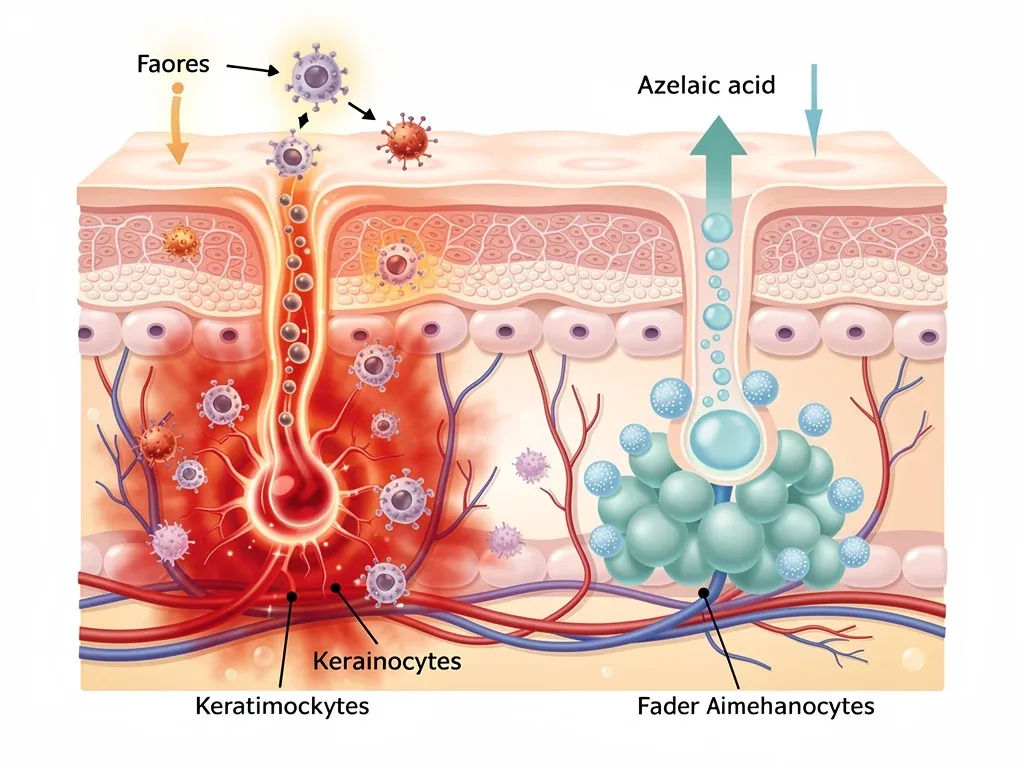
Inflammatory acne can affect the small blood vessels beneath the skin's surface. Even after a blemish disappears, residual redness may remain visible.
The appearance and duration of these marks vary considerably. Skin sensitivity, the severity of previous inflammation, and additional breakouts may influence recovery.
Anúncios
People attempting to fade post-acne erythema should avoid unnecessary irritation. Gentle skincare and appropriate acne management can support a more consistent routine.
The Power of 15% Azelaic Acid in Treating Redness
Azelaic acid is a topical ingredient used in dermatology for conditions including acne and rosacea. It has anti-inflammatory properties that may help manage certain causes of redness.
A 15% azelaic acid formulation may be prescribed or otherwise regulated depending on the country. Its effectiveness for established post-acne erythema is less certain than its role in treating inflammatory conditions.
When trying to fade post-acne erythema, azelaic acid may be considered as part of an appropriate skincare plan. Results depend on individual circumstances and tolerability.
How Azelaic Acid Calms Inflamed Skin
Azelaic acid has anti-inflammatory and antimicrobial properties. These characteristics help explain its use in managing acne and certain inflammatory skin conditions.
It also influences processes associated with abnormal skin-cell buildup and pigmentation. However, persistent vascular redness may not respond in the same way as dark post-acne marks.
For individuals hoping to fade post-acne erythema, controlling new inflammation is an important consideration. A dermatologist can help determine whether azelaic acid is suitable.
Anti-inflammatory Action: May help reduce inflammation associated with certain skin conditions.
Acne Management: Can support treatment of some types of inflammatory acne.
Pigmentation Benefits: May improve certain dark marks, which differ from vascular redness.
People with sensitive skin should introduce new products carefully. Azelaic acid can cause burning, itching, dryness, or irritation, particularly during initial use.
Copper Peptides: Their Potential Role in Skin Repair
Copper peptides, including GHK-Cu, are compounds studied for their possible involvement in skin-related biological processes. They are frequently included in cosmetic serums.
Laboratory and preliminary research has explored their relationship with tissue remodeling and skin repair. However, strong clinical evidence for treating post-acne erythema remains limited.
Although copper peptides may be marketed to fade post-acne erythema, this specific benefit has not been firmly established. They should not be considered a proven replacement for dermatological treatment.
The Role of Copper Peptides in Wound Healing
Research involving copper peptides has examined processes associated with tissue repair and extracellular matrix activity. Much of this evidence comes from laboratory or preliminary investigations.
These findings do not establish that a cosmetic copper peptide serum will reliably improve persistent redness after acne. Product formulations and concentrations can also vary.
Anyone seeking to fade post-acne erythema should distinguish promising research from demonstrated clinical outcomes. Additional controlled human studies are needed.
Skin Research: Copper peptides have been investigated for potential roles in tissue remodeling.
Cosmetic Formulations: They appear in products marketed for skin appearance and conditioning.
Evidence Limitations: Their effectiveness against persistent post-acne redness is not well established.
The Strategic Layering Protocol: A Six-Week Skincare Approach
A cautious skincare routine may help individuals manage irritation while exploring products intended to fade post-acne erythema. The priority should be skin tolerance rather than applying numerous active ingredients.
There is no established clinical protocol proving that layering 15% azelaic acid with copper peptides clears PIE within six weeks. Treatment responses and recovery times vary.
Separating products into morning and evening routines may make tolerability easier to assess. Follow prescription instructions and individual manufacturer guidance before combining products.
Morning Routine for Erythema Management
Begin with a mild cleanser suited to your skin type. Avoid aggressive scrubbing or products that leave the skin feeling unusually tight and irritated.
If using a copper peptide serum, apply it according to the product instructions. Introduce it separately from other new ingredients to help identify possible reactions.
Finish with moisturizer and broad-spectrum sunscreen rated SPF 30 or higher. Consistent sun protection supports skin health while you work to fade post-acne erythema.
Evening Regimen for Gentle Skin Care
Cleanse gently to remove sunscreen, makeup, and daily impurities. Allow the skin to settle before applying an azelaic acid product as instructed by your clinician or product label.
A 15% azelaic acid treatment may cause irritation, especially when introduced alongside other active products. Adding copper peptides in the same session is not necessary.
To fade post-acne erythema without unnecessary discomfort, prioritize tolerance and moisturizing. Consult a dermatologist before combining prescription treatment with additional active serums.
Should Azelaic Acid and Copper Peptides Be Used Together?
There is limited direct clinical evidence examining the combined use of 15% azelaic acid and copper peptides specifically for persistent post-acne erythema.
Compatibility may depend on the formulation, other ingredients, and individual sensitivity. Product marketing claims about ingredient synergy should not be treated as clinical proof.
People attempting to fade post-acne erythema can discuss their routine with a dermatologist. Introducing products separately may help identify the cause of irritation.
Expected Outcomes and Timelines for Fading Redness
Skin improvement varies considerably when attempting to fade post-acne erythema. Some marks gradually become less noticeable, while others persist for several months.
A six-week period may be useful for evaluating tolerability and monitoring visible changes. However, it is not a clinically established deadline for clearing PIE with these ingredients.
Persistent redness may require different treatment approaches, including professional procedures in selected cases. A dermatologist can help identify the underlying condition and suitable options.
Monitoring Progress and Adjusting Your Routine
Taking photographs under consistent lighting can help document changes in skin appearance. Compare images periodically rather than relying on day-to-day impressions.
While trying to fade post-acne erythema, watch for dryness, burning, persistent redness, or new irritation. These symptoms may indicate that the routine needs adjustment.
If symptoms become uncomfortable or redness persists, seek professional guidance. A dermatologist can evaluate whether the marks are PIE, pigmentation, scarring, or another condition.
Potential Side Effects and How to Mitigate Them
Skincare products used to fade post-acne erythema may cause unwanted reactions. The likelihood depends on ingredient concentration, formulation, frequency, and individual sensitivity.
Azelaic acid can produce stinging, burning, itching, or dryness. Copper peptide products may also cause irritation, although safety information varies among formulations.
Introducing multiple products simultaneously can make reactions difficult to identify. A simple routine and careful monitoring can reduce unnecessary complications.
Managing Azelaic Acid Sensitivity
People beginning azelaic acid treatment should follow the prescribed or labeled application schedule. Frequency adjustments may be appropriate under professional guidance.
Applying the treatment as directed and using a suitable moisturizer may improve comfort. Avoid combining it with irritating exfoliants unless a clinician recommends doing so.
When working to fade post-acne erythema, persistent irritation should not be ignored. Discontinue the product and seek medical guidance if a significant reaction develops.
Follow Instructions: Use the recommended amount and application frequency.
Support Hydration: Choose a gentle moisturizer suitable for your skin.
Monitor Reactions: Seek advice if burning or irritation persists.
Addressing Copper Peptide Reactions
Copper peptide serums contain different formulations and supporting ingredients. Sensitivity may result from the complete product rather than the peptide alone.
Introduce a new serum cautiously and monitor your skin's response. Stinging or redness should not automatically be interpreted as evidence that an ingredient is working.
If irritation occurs while trying to fade post-acne erythema, stop the suspected product and reassess your routine. Persistent symptoms warrant professional evaluation.
Complementary Skincare Practices for Enhanced Results
A gentle skincare routine can help maintain comfort while you attempt to fade post-acne erythema. Consistent cleansing, moisturizing, and sunscreen use provide a practical foundation.
Harsh exfoliation and frequent product changes may irritate already sensitive skin. Reducing unnecessary friction and avoiding picking at blemishes are reasonable precautions.
Ongoing acne management also matters because new inflammatory breakouts can leave additional marks. Treatment should address both current acne and any persistent aftereffects.
Essential Supporting Ingredients
Moisturizing ingredients such as glycerin and hyaluronic acid can help support skin hydration. Ceramides are also commonly used in products formulated for barrier care.
Niacinamide may support skin barrier function and improve the appearance of some inflammatory skin concerns. Its benefits depend on the formulation and individual response.
While trying to fade post-acne erythema, avoid introducing too many active products at once. Vitamin C products, for example, vary in acidity and may irritate sensitive skin.
Glycerin: Supports moisture retention in the skin.
Hyaluronic Acid: Helps maintain skin hydration.
Niacinamide: May support the skin barrier in suitable formulations.
Gentle Cleansers: Remove impurities without excessive stripping.
Lifestyle Factors Influencing Skin Healing
Daily habits can support overall skin health, although they do not guarantee that post-acne redness will resolve quickly. Gentle care and consistent routines remain important.
Balanced nutrition, sufficient sleep, and appropriate stress management contribute to general well-being. However, no specific diet has been proven to eliminate PIE within six weeks.
To fade post-acne erythema, avoid behaviors that worsen irritation or create new inflammatory lesions. Persistent or severe acne should be evaluated by a qualified professional.
Healthy Habits That Support Skin Recovery
A consistent sleep schedule and balanced diet can contribute to overall health. Individual nutritional needs vary, and dietary restrictions should not be introduced without good reason.
Stress management may help people maintain regular skincare habits. Activities such as walking, relaxation exercises, and adequate rest can support general well-being.
People seeking to fade post-acne erythema should prioritize realistic expectations. Skin recovery is influenced by several factors that cannot be controlled through lifestyle changes alone.
When to Consider Professional Dermatological Treatments
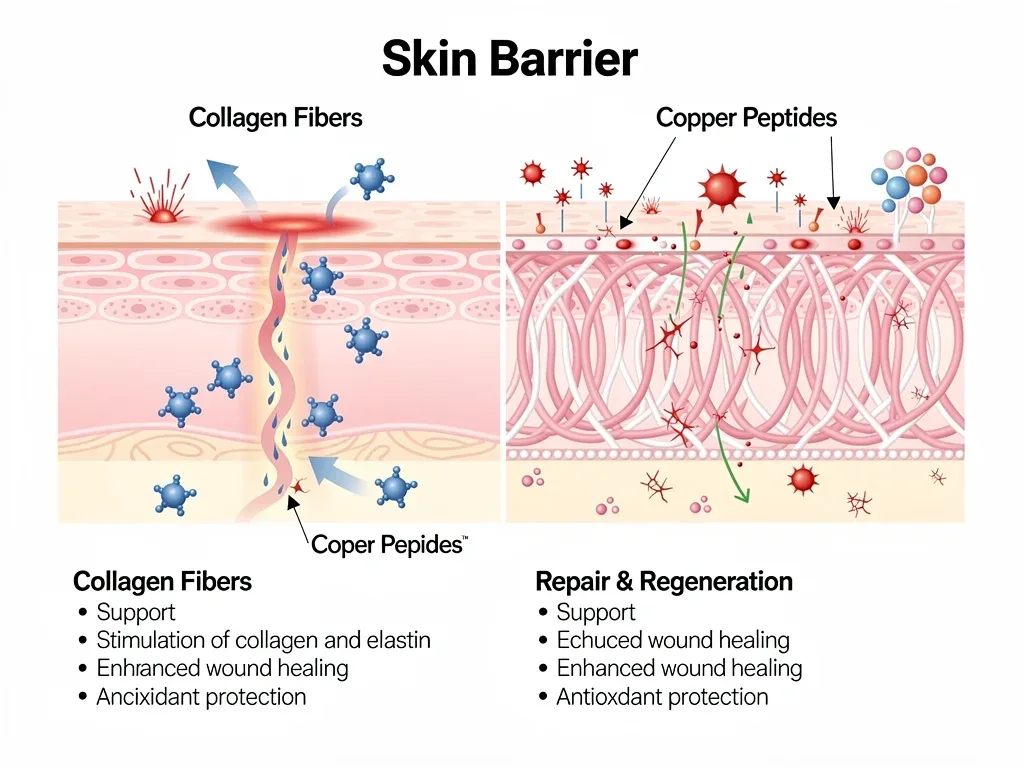
Some cases of post-acne erythema persist despite a consistent skincare routine. A dermatologist can assess the redness and identify whether additional treatment is appropriate.
Selected vascular laser and light-based procedures may be considered for persistent erythema. Their suitability depends on skin characteristics, diagnosis, risks, and professional assessment.
Individuals trying to fade post-acne erythema should avoid assuming that stronger topical products always provide better results. The most appropriate treatment depends on the cause of the marks.
Discussing Persistent Redness With a Dermatologist
A dermatologist can distinguish vascular redness from post-inflammatory pigmentation and certain types of acne scarring. These conditions may require different approaches.
The consultation may also address active acne, sensitive skin, and previous product reactions. This information helps guide personalized treatment decisions.
When the goal is to fade post-acne erythema, professional evaluation can prevent unnecessary experimentation. Treatment outcomes remain individual and cannot be guaranteed.
Key Aspect | Brief Description |
|---|---|
Azelaic Acid Role | Has established uses for acne and inflammatory skin conditions, but its effect on persistent PIE varies. |
Copper Peptides Role | Studied for potential skin-related effects, with limited direct clinical evidence for post-acne erythema. |
Layering Protocol | No proven combination protocol guarantees improvement; application should follow product and professional guidance. |
Expected Results | Improvement varies, and six weeks is not a guaranteed timeframe for visible clearance. |
Supporting Practices | Gentle cleansing, moisturizing, sun protection, and appropriate acne management support skin health. |
Frequently Asked Questions About Fading Post-Acne Erythema
How long until I see results when layering these ingredients?▼
There is no established timeline proving that azelaic acid and copper peptides will clear post-acne erythema within four to six weeks. Some individuals may notice changes during this period, while persistent vascular marks can take considerably longer to improve.
Can I use other active ingredients with azelaic acid and copper peptides?▼
Additional products may be compatible, but the risk of irritation depends on their formulations and concentrations. Introduce new ingredients cautiously and consult a dermatologist when combining prescription treatments with retinoids, exfoliating acids, or other active products.
Is this routine suitable for sensitive skin?▼
Suitability depends on individual skin tolerance. Azelaic acid can cause irritation, and copper peptide formulations vary. People with sensitive skin should consider professional advice and test new products cautiously.
What if I experience increased redness or irritation?▼
Stop using the suspected product if significant irritation develops. Avoid adding more active ingredients and seek professional guidance if symptoms persist or worsen. Severe swelling, blistering, or other concerning reactions require prompt medical attention.
Do I need to use sunscreen with this routine?▼
Yes. Broad-spectrum sunscreen with SPF 30 or higher is recommended as part of daily skin protection. Sun exposure may contribute to skin damage and discoloration. Sunscreen is helpful, although it does not guarantee that post-acne erythema will disappear.
Looking Ahead: Sustaining Healthy Skin
Learning how to fade post-acne erythema requires understanding the difference between residual redness and other post-acne marks. Appropriate treatment depends on identifying the underlying condition.
Azelaic acid may be useful for certain inflammatory skin concerns, while evidence for copper peptides specifically treating PIE remains limited. No six-week combination protocol has been established as reliably effective.
Consistent gentle skincare, sun protection, and appropriate professional guidance provide a responsible foundation. Persistent redness deserves individualized assessment rather than unrealistic promises of rapid results.