Vintage and sustainable fashion trends 2026
Anúncios
Understanding vintage fashion
Understanding vintage and sustainable fashion is essential in grasping the current trends of sustainable clothing choices. By examining the essence of vintage styles, we see a blend of creativity and history that appeals to many fashion lovers today.
Vintage fashion encompasses a range of styles from different eras, celebrated for their unique designs and craftsmanship.
From flapper dresses of the 1920s to the vibrant colors of the 1980s, each decade brings a distinct character. This variety allows individuals to express their personal style while being environmentally conscious.
The appeal of vintage fashion
One major reason vintage fashion is popular is the uniqueness of each piece. Unlike fast fashion, these garments tell a story and often stand out in a crowd. Many vintage items have distinct prints, fabrics, and silhouettes that modern designs can lack.
Why choose vintage?
- Affordable luxury: Vintage pieces can be more budget-friendly than brand new designer items.
- Quality over quantity: Many vintage clothes are made with better materials, leading to greater durability.
- Environmental impact: Choosing vintage reduces waste and promotes sustainability.
When exploring vintage shops or online marketplaces, it’s helpful to know what to look for. Pay attention to the fabric, care labels, and overall condition. Items with less wear and tear will last longer and provide better value. As you dive into vintage shopping, consider how each piece can complement your existing wardrobe.
Embracing vintage and sustainable fashion encourages not just a personal style overhaul but also a step toward a more sustainable future in the fashion industry.
By integrating these timeless pieces into your daily attire, you can contribute to a cultural shift towards more thoughtful consumption.
The rise of sustainable materials
The rise of vintage and sustainable materials is transforming the fashion industry. As consumers become more aware of environmental concerns, brands are shifting towards eco-friendly options. This change benefits the planet and reflects a growing desire for responsible fashion.
Today, sustainable materials include organic cotton, recycled polyester, and Tencel. These fabrics are made from natural resources or recycled waste, reducing the demand for virgin materials.
Using these options helps lower carbon footprints and conserve water resources.
Popular sustainable materials
Several sustainable materials are gaining traction in the fashion world. Some that you might find interesting include:
- Organic cotton: Grown without harmful pesticides and fertilizers, making it better for the environment.
- Bamboo: Fast-growing and requires little water; it’s also biodegradable.
- Recycled polyester: Made from post-consumer plastic bottles, it reduces waste and conserves resources.
- Hemp: Requires minimal water and no pesticides, making it a very eco-friendly choice.
Brands today are experimenting with these materials to create innovative and stylish designs. For instance, some companies blend recycled fabrics with traditional ones to create unique textures. Others focus on using dyes that are free from harmful chemicals, further promoting sustainability.
The trend towards sustainable materials isn’t just about style; it’s also about ethics. Shoppers are looking to support brands that align with their values.
This shift means businesses can no longer ignore their environmental impact. They must find ways to produce fashion that respects both people and the planet.
How to incorporate vintage pieces
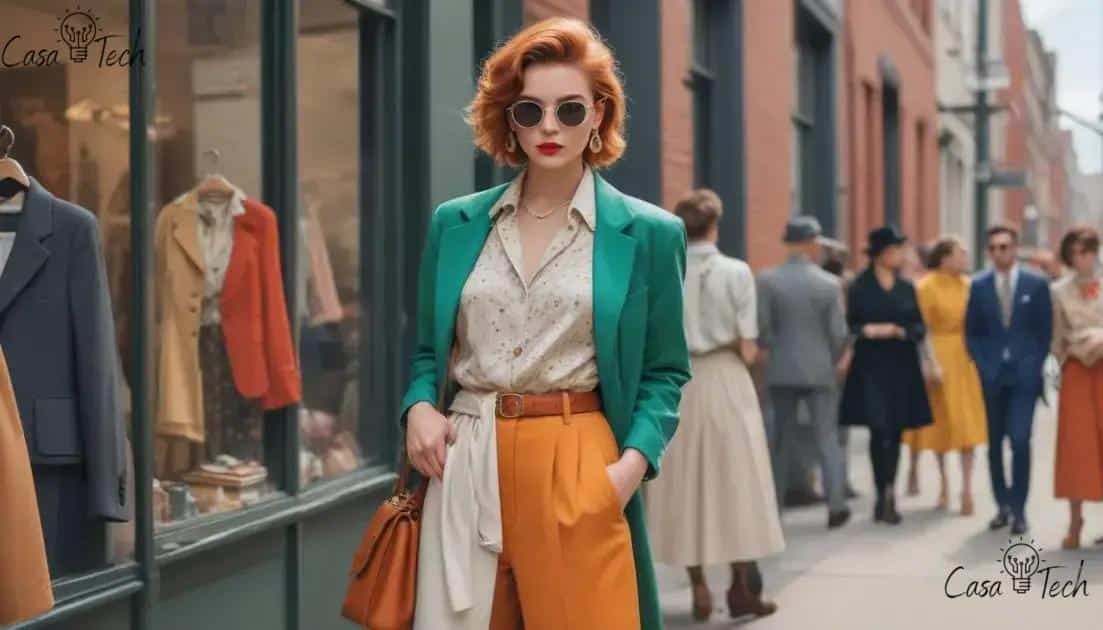
Incorporating vintage and sustainable pieces into your wardrobe can add a unique flair and personality to your style. It opens the door to creative fashion choices that stand out in a crowd.
Understanding how to mix these classic items with modern clothing can create fresh looks.
One of the simplest ways to start is by choosing one or two key pieces. A vintage jacket or a classic dress can serve as the centerpiece for your outfit. Pairing it with contemporary items can create a balanced look that feels both stylish and timeless.
Mixing vintage with modern styles
It’s important to find the right balance when blending vintage and modern clothing. Here are some quick tips:
- Layering: Use a vintage blouse under a modern blazer to add a classic touch.
- Accessorizing: Mix vintage jewelry with modern outfits to elevate your style.
- Footwear: Vintage shoes can add character when paired with contemporary dresses or jeans.
When wearing vintage pieces, consider the overall color palette. Mixing neutral tones with a bold vintage item can create a harmonious look. For example, team a vibrant vintage skirt with a simple white shirt for a stylish yet understated outfit.
Don’t be afraid to experiment with different styles. Vintage doesn’t mean outdated; instead, it allows for exploration. Trying out various patterns, colors, and textures can lead to unexpected and beautiful combinations.
Keep your personal style in mind while trying new looks, and make sure you feel comfortable in what you wear.
Key vintage trends for 2026
As we look towards 2026, several key vintage and sustainable trends are emerging that will influence fashion choices.
These trends reflect a mix of nostalgia and modern sensibility, appealing to a broad audience. Each trend tells a story and invites wearers to express their individuality.
Among the trends, fragmented silhouettes are gaining popularity. This style includes mixing various fabrics and lengths to create a unique look. It allows for personal creativity and encourages layering, which is both fashionable and functional.
Bold patterns and colors
In 2026, we expect to see a resurgence of bold prints and vibrant colors. These elements can be found in vintage pieces from the ’60s and ’70s. Here are a few exciting patterns making a comeback:
- Flower power: Bright floral prints that embody joy and nature.
- Geometric shapes: Eye-catching designs that add structure and intrigue.
- Pop art: Graphic images and comic-inspired designs that make a statement.
These vintage patterns easily pair with modern basics, creating a striking and balanced outfit. Mixing classic vintage items with contemporary pieces will be key for style enthusiasts.
Revival of retro accessories
Accessories also play a significant role in these trends. Vintage handbags, oversized sunglasses, and unique jewelry pieces are essential for completing a look.
A classic handbag from the 1980s can elevate a simple outfit and add a nostalgic touch. The right accessories can bring out personality while being eco-friendly by choosing vintage over fast fashion.
Overall, the vintage trends for 2026 highlight sustainability and individuality. Shoppers are drawn to pieces with history and character, supporting a shift towards a more conscious approach to fashion. The blend of modern style with vintage charm will continue to shape the wardrobes of many.
Sustainable brands you should know
When diving into the world of sustainable fashion, it’s crucial to know the vintage and sustainable brands leading the way. These brands are committed to ethical practices and eco-friendly materials, making a positive impact on the environment and society.
One standout brand is Patagonia. Known for its outdoor gear, Patagonia emphasizes sustainability by using recycled materials and promoting fair labor practices.
They even encourage customers to repair and recycle their products instead of buying new ones.
Innovative sustainable brands
Another notable mention is Eileen Fisher. This brand focuses on creating timeless designs made from organic and recycled fabrics. They also have a program to reclaim old garments, which they can then refurbish or recycle.
- Reformation: Offers trendy women’s clothing made from sustainable materials, with a clear commitment to transparency in their production processes.
- People Tree: A pioneer in sustainable fashion, they specialize in Fair Trade and eco-friendly clothing that supports artisans around the world.
- Everlane: Known for their “Radical Transparency” philosophy, Everlane provides details on their factories and costs, focusing on ethical manufacturing.
These brands not only prioritize the environment but also create fashionable products. By choosing to support vintage and sustainable brands, consumers make a statement about their values while looking great. Incorporating pieces from these companies into your wardrobe not only elevates your style but contributes to a better world.
Tips for thrifting effectively
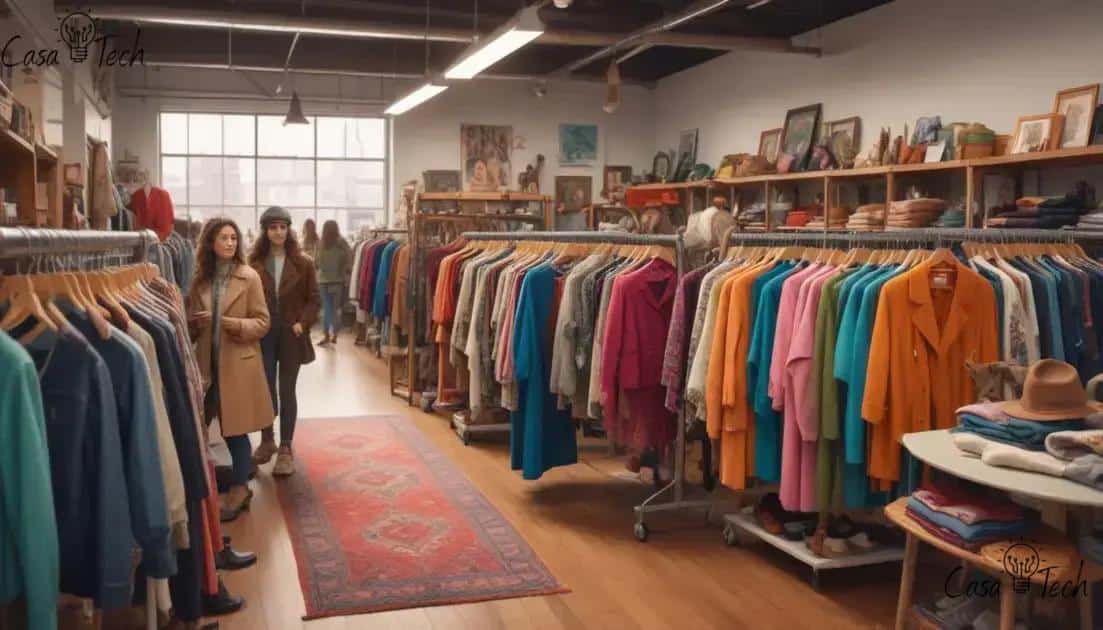
Thrifting is a fun and sustainable way to find unique fashion pieces, and having the right tips can make all the difference. Effective thrifting involves planning, patience, and a good eye for style. Here are some strategies to enhance your shopping experience.
First, knowing what you want can help narrow your search. Make a list of items you need or styles you want to try. This will keep you focused and prevent impulsive buys.
When browsing, keep an open mind. Many thrift stores contain a mix of styles, and you might find great pieces outside your usual preferences.
Know your sizes and fabrics
Understanding your sizes is crucial while thrifting. Since sizes can vary between brands and decades, always try pieces on when possible.
Also, pay attention to the fabric and condition of garments. Look for quality materials that will last, such as cotton, wool, or linen.
- Check for wear and tear: Look for any stains, holes, or fading that may not be fixable.
- Be prepared to alter: Sometimes a great find can be a little loose or long. With basic sewing skills, you can tailor these pieces.
- Inspect before you buy: Always examine the item thoroughly before purchasing so there are no surprises at home.
Timing can also impact your thrifting experience. Visiting stores during weekly sales or on new arrival days can yield fantastic finds. Additionally, shopping outside peak hours can provide more time and space to browse without feeling rushed.
Finally, remember to enjoy the process! Thrifting can be a treasure hunt, and each piece has a story. By following these tips for thrifting effectively, you’ll not only save money but also enhance your wardrobe with sustainable fashion choices.
FAQ – Frequently Asked Questions about Vintage and sustainable Fashion
What are the benefits of choosing vintage and sustainable fashion?
Choosing vintage fashion promotes sustainability by reducing waste and gives you unique style options that stand out.
How can I find vintage and sustainable fashion brands?
You can find vintage and sustainable fashion brands by researching online, visiting eco-friendly boutiques, or checking directories that list ethical companies.
What should I look for when thrifting?
Look for quality materials, check for any damages, and consider how the piece can fit into your current wardrobe.
How can I mix vintage pieces with modern clothing?
Start by choosing a vintage item as your centerpiece, then complement it with modern basics to create a balanced look.