Average US credit card debt trends 2026: Looking ahead

Anúncios
Average US credit card debt trends for 2026 indicate an increase in usage driven by mobile payments and economic factors, making financial management essential for consumers to navigate rising debt levels.
Average US credit card debt trends 2026 are shaping the financial landscape as we look ahead.
With changing consumer habits and economic factors, it’s crucial to understand what these trends mean for your finances.
Are you prepared for what’s next?
Understanding current US credit card debt trends levels
Understanding the US credit card debt trends levels in the U.S. is essential for consumers and policymakers alike.
With the evolving financial landscape, keeping track of these numbers can help you make informed decisions.
As of recent reports, the average US credit card debt trends per household has seen significant fluctuations.
Awareness of these trends prepares individuals for their financial future.
For instance, factors like interest rates and consumer spending habits play vital roles in shaping these debt levels.
Recent statistics
It’s important to look at the facts. The average credit card debt per person has reached alarming highs, which often reflects broader economic conditions.
Here are some recent statistics:
- The average U.S. household with credit card debt owes approximately $8,500.
- Over 40% of Americans carry some form of credit card debt monthly.
- Interest rates on credit cards can exceed 20%, significantly increasing the burden on consumers.
These figures highlight how easily individuals can accumulate debt without careful management.
Monitoring your spending and making timely payments can help mitigate the risks associated with high credit card balances.
Implications of high debt levels
Carrying high credit card debt has numerous implications.
Firstly, it affects your credit score, which can limit future borrowing opportunities.
Secondly, as debt accumulates, it can lead to increased financial stress.
Many individuals find themselves trapped in a cycle of debt, struggling to make just the minimum payments.
Moreover, high levels of debt can limit financial freedom.
People may find it difficult to save for emergencies or invest in their futures.
Understanding and managing debt levels is crucial for achieving long-term financial stability.
Factors influencing credit card debt in 2026
Several factors will influence US credit card debt trends in 2026.
With economic changes and shifts in consumer behavior, it’s vital to understand how these elements come into play.
One major influence is the economic environment.
Interest rates often rise or fall based on inflation and the decisions of the Federal Reserve.
When rates are low, consumers may feel more comfortable using credit, leading to an increase in their debt levels.
Consumer spending habits
Additionally, changes in consumer spending habits heavily impact credit card debt.
As people become more accustomed to digital payment methods, many may find it easier to overspend, without realizing the total amount charged.
This overspending can drive debt higher.
- The rise of e-commerce encourages impulse buying.
- Popular subscription services often lead to regular charges that accumulate over time.
- A lack of budgeting leads many to misuse their credit cards.
Financial literacy also plays a crucial role.
Individuals who understand the implications of borrowing and interest rates are more likely to manage their credit effectively.
Without this knowledge, some consumers may accidentally fall into deeper debt.
Technological impact
Technological developments will further shape the landscape of credit card debt.
The emergence of new technologies, such as mobile payment apps, allows for rapid and sometimes reckless spending.
As consumers gain easier access to credit, understanding their limits becomes increasingly critical.
Moreover, financial institutions are adopting advanced algorithms to assess risk and offer credit.
Data-driven insights mean approval for credit can come faster, which may encourage more borrowing.
Regional variations in US credit card debt trends
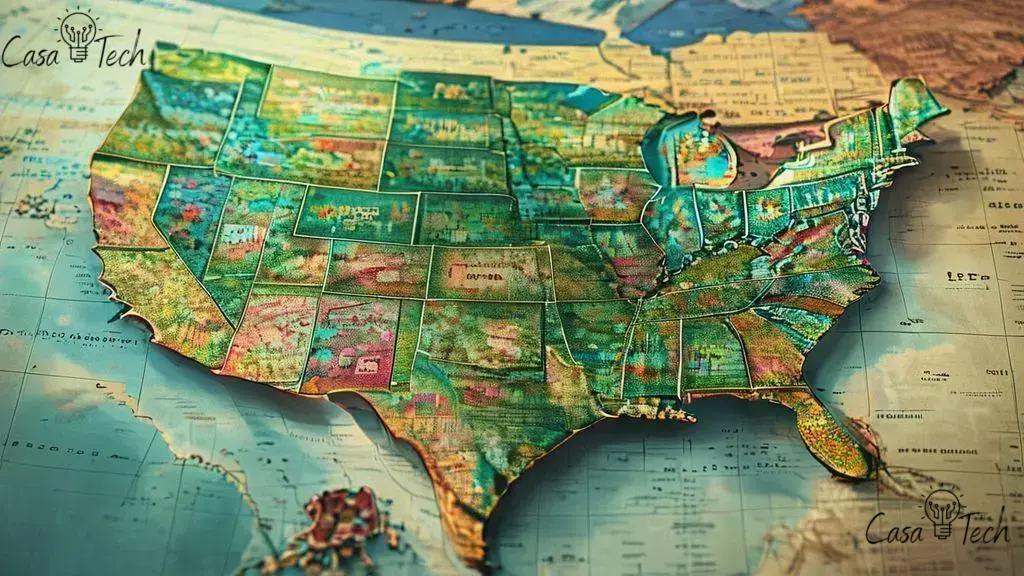
Regional variations in US credit card debt trends can be surprising.
Different parts of the country experience distinct debt levels influenced by various economic and social factors.
For instance, urban areas often show higher credit card debt compared to rural regions.
This trend may result from greater access to credit facilities and higher living costs.
Factors influencing regional debt
Several factors contribute to these regional differences. Here are key points to consider:
- Economic conditions in each state can affect income levels and job availability.
- The cost of living varies significantly; regions with higher expenses often see increased debt.
- Consumer behavior differs; some areas have higher rates of spending on luxury goods.
In states with strong economic growth, like Texas and California, residents may feel more financially secure and thus willing to utilize their credit cards more.
In contrast, regions struggling with economic downturns tend to exhibit lower credit card usage as residents prioritize stability.
Debt statistics by region
Recent studies reveal compelling statistics about US credit card debt trends across different regions.
For example, the Northeast often shows higher average debt levels than the Midwest.
Some notable insights include:
- The average credit card debt in the Northeast can exceed $9,000 per household.
- Midwestern states generally report lower average debt levels of about $6,000.
- The Southern states often have variable debt levels, depending on local economies.
These statistics underscore the importance of understanding regional differences in debt.
It allows consumers to tailor their financial strategies based on local economic conditions.
Impact of economic conditions on debt trends
The impact of economic conditions on debt trends is significant, influencing how individuals manage their credit and financial responsibilities.
Various factors come into play, shaping the debt landscape.
Economic growth typically leads to increased consumer confidence.
When the economy is doing well, people tend to borrow more, using credit cards for purchases they perceive as manageable.
This can result in higher average debt in thriving economic times.
Conversely, during recessions, consumers often tighten their budgets and limit spending.
Unemployment rates and debt
One critical factor to consider is the unemployment rate.
High unemployment often correlates with rising credit card debt as individuals may rely on credit to make ends meet.
Unfortunately, this reliance can create a vicious cycle: as more people lose jobs, overall spending decreases, leading to less economic activity and even lower employment rates.
- When unemployment is high, many use credit cards to pay for essentials.
- Job losses lead to increased financial stress and higher debt levels.
- Consumers can struggle to make minimum payments, resulting in penalties and more debt.
Additionally, inflation can impact debt trends.
When prices rise, the purchasing power of money decreases.
As consumers face higher costs for everyday items, they may turn to credit cards to cover the difference, leading to an increase in overall debt levels.
Interest rates influence
Changes in interest rates can also significantly affect US credit card debt trends.
The Federal Reserve’s decisions can cause interest rates to rise or fall, impacting how much individuals pay on their credit card balances.
Higher interest rates can discourage borrowing, as individuals will pay more in interest.
This creates a scenario where consumers might choose to reduce their reliance on credit, decreasing overall debt levels.
Understanding these dynamic relationships helps consumers prepare for changes in their financial landscape.
Awareness can guide better budgeting and financial planning, making it easier to navigate varying economic conditions.
Strategies for managing credit card debt
Managing US credit card debt trends effectively is crucial for financial stability.
Many strategies can help individuals take control of their finances and reduce outstanding balances.
One of the most effective strategies is creating a budget.
A well-planned budget helps track your income and expenses, which is essential for identifying areas where you can cut spending.
By knowing where your money goes, you can prioritize debt repayments and avoid accumulating further debt.
Paying more than the minimum
Another effective approach is to pay more than the minimum payment whenever possible.
Paying only the minimum prolongs debt repayment and increases the amount of interest paid over time.
By paying more, you reduce your balance faster and save money on interest.
- Consider making bi-weekly payments instead of monthly to reduce the principal faster.
- Apply any extra funds, like bonuses or tax refunds, directly to your debt.
- Focus on paying off high-interest cards first to minimize costs.
Furthermore, consolidating debt can be a viable option.
This involves combining multiple credit card debts into a single loan with a lower interest rate.
This strategy simplifies payments and often reduces the overall interest costs.
Many individuals find this method less stressful than juggling several different payments.
Using balance transfers
Consider using balance transfer credit cards for high-interest debts.
Many of these cards offer introductory periods with zero or low interest rates.
Transferring high-interest balances to a lower-interest card can significantly reduce the total amount paid over time, allowing more of your payment to go toward the principal.
Finally, seeking financial counseling can be incredibly beneficial.
Professionals can provide tailored advice and create personalized debt repayment plans that fit your needs.
They can also help you understand the implications of your current debt situation and guide you toward healthier financial habits.
Future predictions for credit card usage
Future predictions for credit card usage indicate that the landscape will continue to evolve as technology and consumer habits change.
As we move toward a more digital and cashless society, credit card usage is likely to increase.
One significant trend is the rise of mobile payments.
More consumers are using smartphones and apps to complete transactions, which may lead to increased reliance on credit cards.
Mobile wallet technology makes it easier to store and use credit cards, encouraging higher spending.

Increased contactless payments
Contactless payments are also set to rise in popularity.
With the convenience of tap-and-go technology, many find it easier to use credit cards without needing to enter a PIN or sign.
This convenience can lead to higher transaction volumes as consumers gravitate toward seamless payment experiences.
- Contactless payment options can foster impulse purchases.
- Retailers are likely to support contactless payments for enhanced customer experience.
- Consumers will prefer payment methods that offer speed and security.
Additionally, the rise of artificial intelligence in financial services may impact credit card usage.
AI can help lenders offer personalized credit options and better assess the risk of potential borrowers.
This technology can make obtaining credit more accessible, possibly leading to increased credit card uptake among consumers.
Changing demographics
Shifts in demographics also play a crucial role in credit card trends.
Younger generations are increasingly willing to use credit cards for various purchases.
As millennials and Generation Z become the dominant consumer groups, their preferences for digital transactions will shape the future of credit card usage.
They often seek rewards programs and cashback options, driving competition among credit card providers.
Understanding these trends can help consumers and financial institutions prepare for the future.
Individuals can capitalize on new opportunities and make informed choices about their financial health as credit card usage continues to grow.
FAQ – Frequently Asked Questions about credit card debt trends
What factors influence credit card debt levels?
Factors include economic conditions, consumer spending habits, regional variations, and changes in interest rates.
How can I manage my credit card debt effectively?
Strategies include creating a budget, paying more than the minimum payment, consolidating debt, and utilizing balance transfer offers.
What are some future predictions for credit card usage?
Predictions suggest increased mobile payments and contactless transactions, as well as changes driven by younger generations favoring digital payments.
How can technology impact credit card management?
Technology can provide tools for budgeting, tracking spending, and automating payments, helping consumers manage their credit more effectively.