Gen Z Style Trends 2026: How Fashion Is Evolving
Anúncios
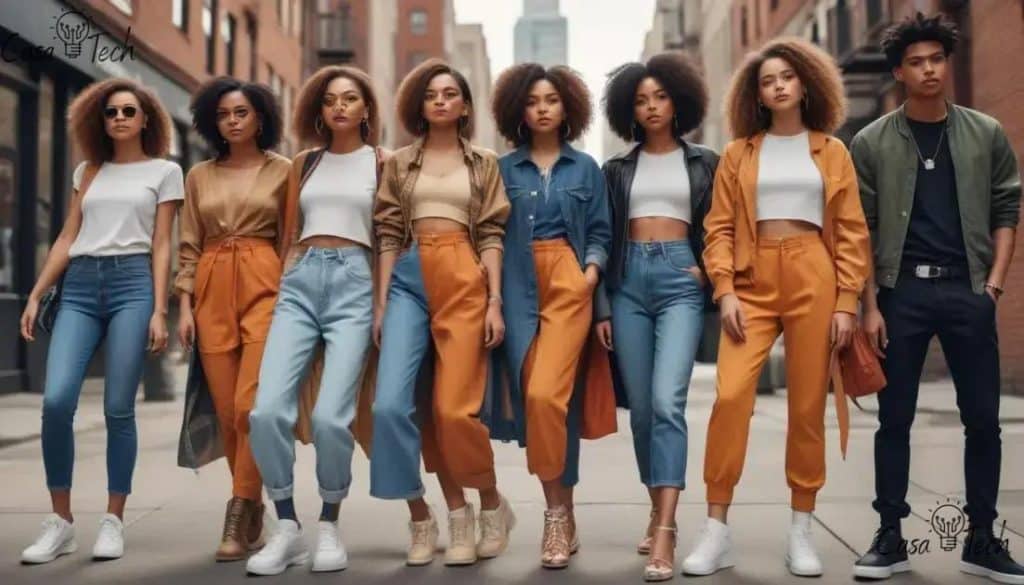
Gen Z style fashion in 2026 is expected to emphasise sustainability, technology, and inclusive design. These priorities reflect how younger consumers use clothing to express identity while supporting broader social and environmental values.
Social media will continue to accelerate the spread of trends, allowing new aesthetics to emerge and evolve rapidly. Digital tools, personalised recommendations, and virtual fashion experiences may also influence purchasing decisions.
Eco-friendly materials, diverse representation, and greater transparency are likely to remain important expectations. Brands that combine innovation with authenticity may be better positioned to connect with Gen Z audiences.
Understanding Gen Z’s fashion identity
Understanding Gen Z’s fashion identity is essential for brands and creators hoping to connect with this diverse audience. Their style choices often combine personal expression with trends shared across digital communities.
Gen Z frequently mixes vintage pieces, streetwear, luxury influences, and gender-inclusive designs to create distinctive looks. Rather than following a single aesthetic, many young consumers move freely between different styles.
Authenticity, inclusivity, and cultural relevance strongly influence how this generation engages with fashion. Brands that support individuality while responding to emerging trends may form stronger connections with Gen Z audiences.
Key Characteristics of Gen Z style Fashion
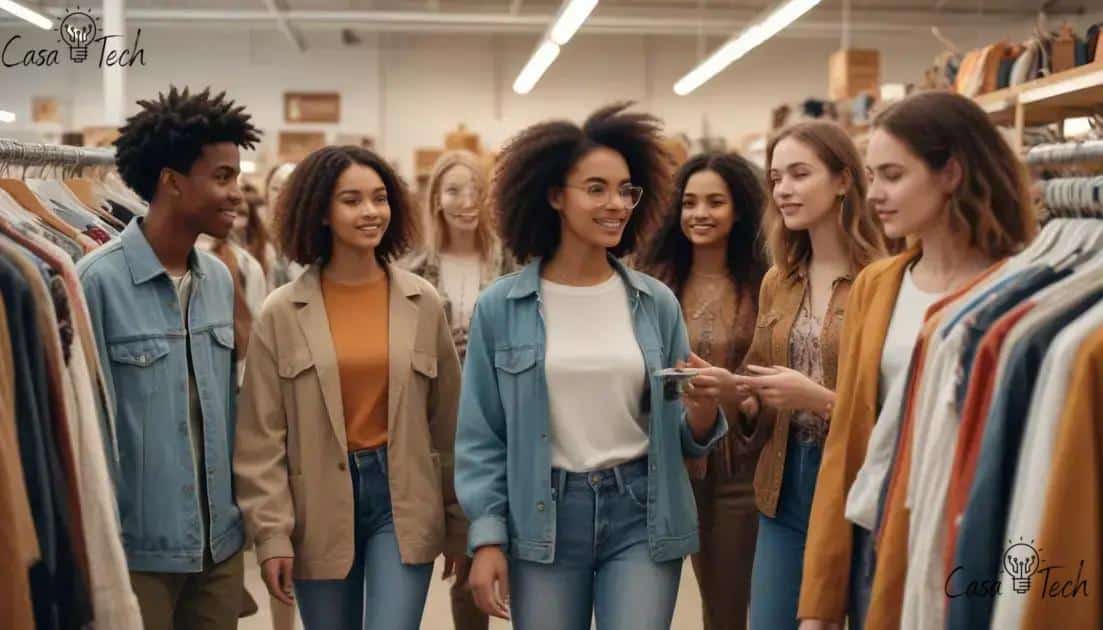
Gen Z style fashion is influenced by various factors, including social media, cultural movements, and a strong emphasis on sustainability.
Many young people today prioritize comfort and personalization in their clothing choices. As a result, their wardrobes often reflect a combination of vintage pieces and modern designs.
- Casual streetwear dominates their style choices.
- They value brands that promote inclusivity and diversity.
- Vintage and thrift shopping are increasingly popular.
These elements make Gen Z’s fashion not just about clothing, but about a lifestyle and a statement. The influence of social media platforms, especially Instagram and TikTok, has created a new landscape where trends can emerge overnight. Popular influencers play a significant role in shaping their peers’ fashion decisions.
Emphasis on Sustainability
Another significant aspect of Gen Z’s fashion identity is their commitment to sustainability. Many Gen Z consumers actively seek brands that prioritize ethical practices.
This generation understands the environmental impact of fast fashion, and they are willing to invest in quality over quantity.
- Eco-friendly materials and sustainable practices are a must.
- Second-hand shopping is embraced as a trendy option.
- Transparency from fashion brands about their production processes is highly valued.
Moreover, their style reflects a blend of creativity that often defies traditional norms. They are not afraid to mix patterns or colors, and each outfit can tell a personal story. By understanding these elements, brands can better cater to the desires of Gen Z consumers.
Key influencers shaping style choices
The influencers shaping Gen Z style include celebrities, digital creators, and everyday social media users. This diverse mix gives young consumers access to a wider range of fashion ideas and personal aesthetics.
Platforms such as TikTok, Instagram, and YouTube allow influencers to share outfits, styling tips, and emerging trends quickly. Relatable creators often have a strong impact because their recommendations feel more accessible and authentic.
Gen Z also values individuality, making micro-influencers and peer-generated content increasingly important. As a result, fashion inspiration now comes from both major personalities and smaller online communities.
Major Influencers in Fashion
Among the most notable are celebrities and fashion icons who have risen to fame through platforms like Instagram and TikTok.
They play a crucial role in dictating what’s considered trendy. These influencers not only share their outfits but also inspire their followers to cultivate their personal styles.
- Fashion bloggers create content that resonates with their audience.
- Musicians often set trends that are quickly adopted by fans.
- Actors and actresses bring high-fashion looks into the mainstream.
The power of these influencers is magnified by their ability to connect directly with their audience. Gen Z prefers authentic interactions, which these influencers provide. As a result, they feel more inclined to follow their style recommendations.
The Role of Social Media Platforms
Social media platforms, particularly TikTok, have revolutionized how fashion trends are disseminated. Viral challenges and hashtag movements can influence a significant shift in style choices almost overnight. Many Gen Z style members turn to TikTok not just for entertainment, but for fashion inspiration.
- Short videos showcase outfits in creative ways.
- Trending sounds often lead to popularizing certain styles.
- Users participate in challenges that highlight unique looks.
Additionally, the community aspect of platforms encourages users to share their own interpretations of styles, making fashion more accessible and reliant on individual expression.
This collaborative spirit pushes traditional fashion boundaries, where anyone can become a trendsetter simply by posting their outfits online.
The rise of sustainable fashion in Gen Z
The rise of sustainable fashion among Gen Z style reflects a broader shift in how young consumers evaluate clothing. Style remains important, but environmental and social impact increasingly influence purchasing decisions.
Many Gen Z style shoppers look for recycled materials, ethical production, durable products, and greater transparency from brands. Resale, clothing swaps, and second-hand shopping are also becoming more common.
This growing awareness encourages companies to adopt more responsible practices and communicate them clearly. Brands that combine appealing design with credible sustainability efforts may build stronger trust with younger audiences.
What is Sustainable Fashion?
Sustainable fashion focuses on creating clothing in an environmentally and socially responsible manner. This includes using eco-friendly materials, fair labor practices, and minimizing waste. Gen Z style is increasingly aware of these issues, often opting for brands that align with their values.
- Eco-conscious materials like organic cotton or recycled fabrics.
- Brands that promote ethical labor practices.
- Efforts to reduce waste through recycling and upcycling.
Many young consumers are actively seeking information about the brands they support. They want transparency regarding how garments are made and the impact they have on the environment.
The Role of Thrifting and Vintage Shopping
Thrifting and vintage shopping have gained immense popularity among Gen Z, serving both as a sustainable option and a way to express individuality. By purchasing second-hand clothing, they can give new life to items that would otherwise go to waste.
- Thrift stores and vintage shops often offer unique styles.
- Buying second-hand is usually more affordable.
- Thrifting reduces the demand for fast fashion.
This trend supports sustainable fashion, enabling buyers to be more conscious of their environmental footprint while still staying fashionable.
As more young people embrace this lifestyle, it encourages a shift in the fashion industry toward more sustainable practices.
Digital platforms and their role in fashion trends
Digital platforms play a central role in shaping modern fashion trends. Social media and e-commerce have transformed how young consumers discover, compare, and adopt new styles.
Short-form videos, influencer content, and personalised recommendations can turn emerging looks into global trends within days. Online stores then make those products immediately accessible to a wider audience.
These platforms also allow consumers to share their own outfits and influence brand decisions directly. As a result, fashion has become more interactive, fast-moving, and connected to online communities.
Influence of Social Media
Platforms like Instagram and TikTok have become essential for fashion marketing. Influencers on these platforms showcase outfits, create styling videos, and even launch their own brands. This direct interaction allows for a more personal connection between influencers and their followers.
- Instagram is perfect for visual inspiration, showcasing the latest looks.
- TikTok allows for creative expression through short outfit videos.
- Users feel empowered to share their unique styles using hashtags.
As trends can spread like wildfire, what’s popular can change within days. This rapid evolution affects how brands market their products, often leading to collaborations with popular influencers to capture Gen Z’s attention.
E-Commerce and Accessibility
The rise of e-commerce platforms has also impacted fashion trends. Online shopping provides access to countless brands, styles, and trends all in one place. Gen Z often prefers shopping online due to convenience and variety.
- Online stores often feature curated collections tailored to current trends.
- Many e-commerce sites utilize algorithms to show users personalized options.
- Customers can easily compare prices and styles from different brands.
This availability encourages impulsive buying and allows for experimentation with different fashion styles. Online reviews and social proof also play a major role in influencing purchases, as customers look for feedback before trying new trends.
How social media affects Gen Z’s style
Social media strongly influences how Gen Z style develops and expresses personal style. Constant access to visual content allows young consumers to discover trends, creators, and fashion ideas from around the world.
Platforms such as Instagram, TikTok, and Pinterest make it easier to experiment with different aesthetics and follow rapidly changing trends. Influencers, user-generated content, and viral challenges often shape what feels current or desirable.
At the same time, this exposure encourages more individualised fashion choices by mixing styles from different communities and cultures. Gen Z increasingly uses clothing as a form of identity, creativity, and social expression.
Instant Access to Trends
Gen Z style is always connected, scrolling through feeds filled with the latest styles. They can instantly see what influencers, celebrities, and even their peers are wearing, which leads to quick adoption of trends. This constant access makes style evolution faster than ever.
- Fashion trends can emerge and fade in days.
- Young people can recreate looks they admire with ease.
- Trending hashtags can lead to viral fashion movements.
As a result, individual style becomes more about curation than creation. Many Gen Zers mix and match elements from various sources, crafting unique outfits that reflect their interests rather than conforming to traditional fashion rules.
Influencer Culture
Another key factor in how social media affects Gen Z’s style is the rise of influencer culture. Influencers often shape perceptions of what is trendy through sponsored posts and style tutorials. They connect with followers on a personal level, making their recommendations feel more relatable.
- Brands frequently collaborate with influencers to target young audiences.
- Followers trust recommendations based on the influencer’s lifestyle.
- Social media campaigns often rely on user-generated content.
This dynamic allows Gen Z to feel empowered in their fashion choices, as they can connect with influencers who resonate with their values and aesthetics. Moreover, it encourages them to explore diverse styles, from vintage thrift finds to high-fashion items.
Future predictions for Gen Z style fashion in 2026
Future predictions for Gen Z style fashion in 2026 point to continued interest in sustainability, technology, and inclusive design. These priorities are expected to influence how young consumers evaluate brands and products.
Environmentally responsible materials, transparent production methods, and circular fashion models may become increasingly important. Gen Z shoppers are also likely to support brands that communicate their practices clearly and avoid misleading sustainability claims.
Technology may further shape fashion through virtual try-ons, personalised recommendations, and digital experiences. At the same time, broader sizing, gender-inclusive collections, and accessible designs may strengthen brand relevance among younger audiences.
Sustainability at the Core
As awareness about climate change grows, Gen Z style is expected to favor brands that demonstrate a clear commitment to sustainability.
This means more eco-friendly materials, transparent supply chains, and ethical production practices will be essential.
- Brands using recycled materials will gain popularity.
- Thrifting and second-hand shopping will remain trendy.
- Environmental certifications will influence purchasing decisions.
Moreover, collaborations between fashion brands and environmental organizations may become more prevalent as this generation seeks to make a positive impact through their consumer choices.
Integration of Technology
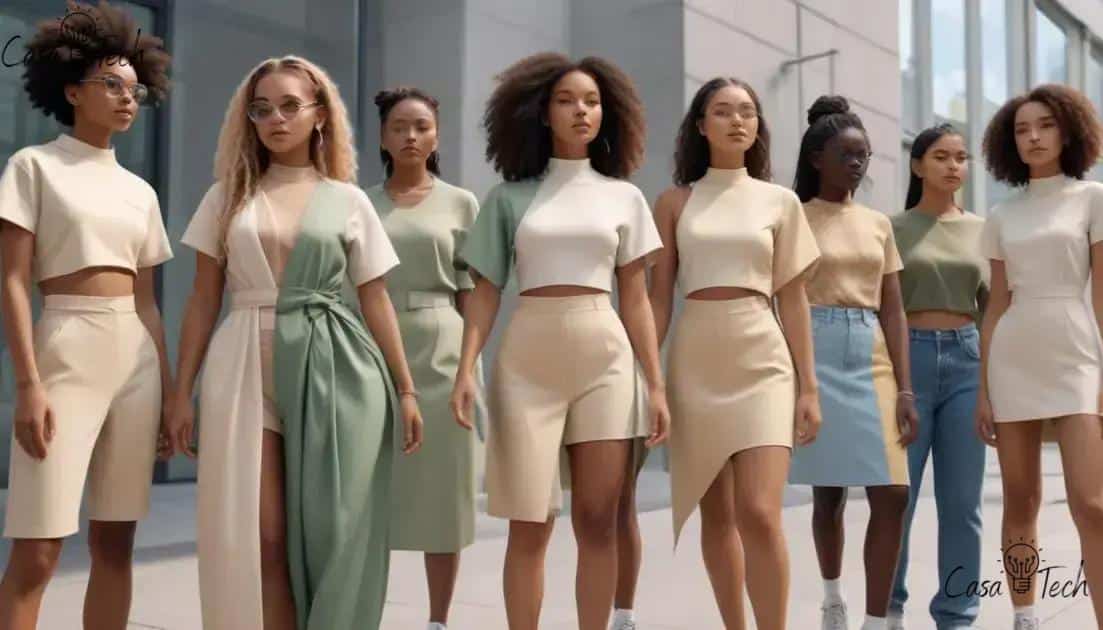
Advancements in technology will also play a significant role in shaping future fashion trends. Virtual fitting rooms and augmented reality (AR) experiences may change how Gen Z style shops, allowing them to see how clothes will fit before making a purchase.
- Smart clothing that tracks health metrics may emerge.
- AI-driven fashion recommendations will enhance shopping experiences.
- Social media will continue to be a key platform for discovering new trends.
This integration will not only enhance convenience but also offer a unique way for Gen Z to express their identity through personalized fashion choices.
Embracing Diversity and Inclusivity
Diversity and inclusivity will remain at the forefront of fashion discussions. Gen Z style is known for valuing representation in all forms, and fashion will likely reflect this by embracing a wider variety of body types, skin tones, and cultural backgrounds.
- Brands showcasing diverse models will build stronger connections with customers.
- Inclusive sizing options will be a priority for many consumers.
- A focus on culturally inspired designs will rise, celebrating global influences.
This shift will create a more welcoming fashion landscape, ensuring that every individual feels represented and included as they define their personal style.
FAQ – Frequently Asked Questions about Gen Z style Fashion Trends for 2026
What role does sustainability play in Gen Z style fashion?
Sustainability is crucial for Gen Z, as they prioritize eco-friendly materials and ethical practices in their fashion choices.
How is technology influencing Gen Z’s shopping experience?
Technology is enhancing Gen Z’s experience through features like virtual fitting rooms and personalized fashion recommendations.
Why is diversity important in fashion for Gen Z style?
Gen Z values diversity and representation, expecting brands to showcase models of various sizes, cultures, and backgrounds.
How quickly do fashion trends change for Gen Z style?
Fashion trends can change rapidly for Gen Z, often influenced by social media platforms where styles can go viral in days.