Achieve 24-Hour Curl Retention: Molecular Bond-Building Method
Anúncios
24-hour curl retention is becoming a central goal in advanced hair care for chemically treated waves that struggle with definition and resilience.
Molecular bond-building methods focus on reinforcing internal hair structure rather than relying only on temporary styling products or surface-level conditioning.
This approach aims to support longer-lasting curls while also improving strength, elasticity, shine, and resistance to common forms of damage.
Understanding the Science Behind Molecular Bond-Building
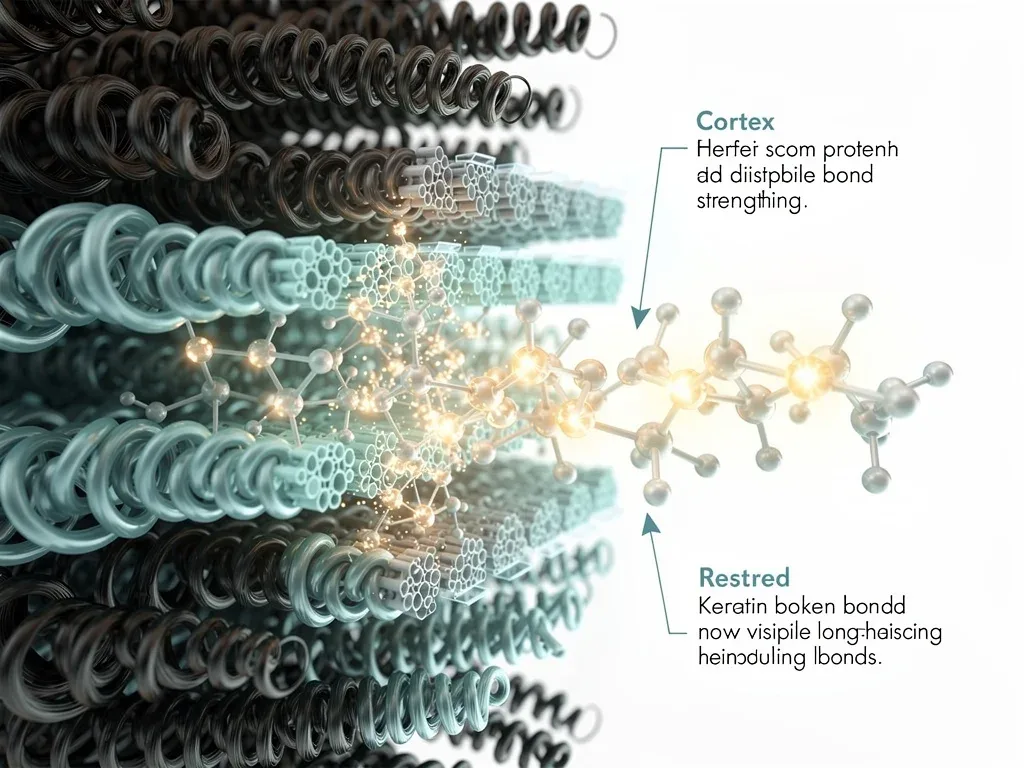
Molecular bond-building focuses on repairing disulfide bonds inside the hair shaft that can become weakened during chemical treatments.
Anúncios
Specialized ingredients penetrate the cortex and help reconnect damaged structural bonds, creating a stronger internal foundation for curl formation.
This process can improve curl retention while also supporting overall hair health.
The Role of Disulfide Bonds in Curl Structure
Disulfide bonds connect protein chains within keratin and contribute significantly to the strength, elasticity, and shape of hair.
When chemical processing weakens these bonds, curls can lose structural memory and become more prone to frizz or flattening.
Anúncios
Restoring these connections helps create the internal stability needed for stronger definition and more consistent curl retention.
Disulfide bonds: Crucial for hair strength and curl pattern.
Chemical damage: Weakens or breaks these essential bonds.
Bond-building: Re-links and reinforces damaged bonds.
Key Molecular Ingredients and Their Function
Bond-building products depend on active ingredients designed to interact with damaged areas within the internal structure of the hair.
Compounds such as maleic acid or bis-aminopropyl diglycol dimaleate may support the formation or reinforcement of internal bonds.
This molecular approach distinguishes bond-building treatments from conventional products that mainly condition or coat the outer hair surface.
Application Techniques for Optimal Curl Retention
Correct application is essential when using bond-building treatments to support consistent and extended curl definition.
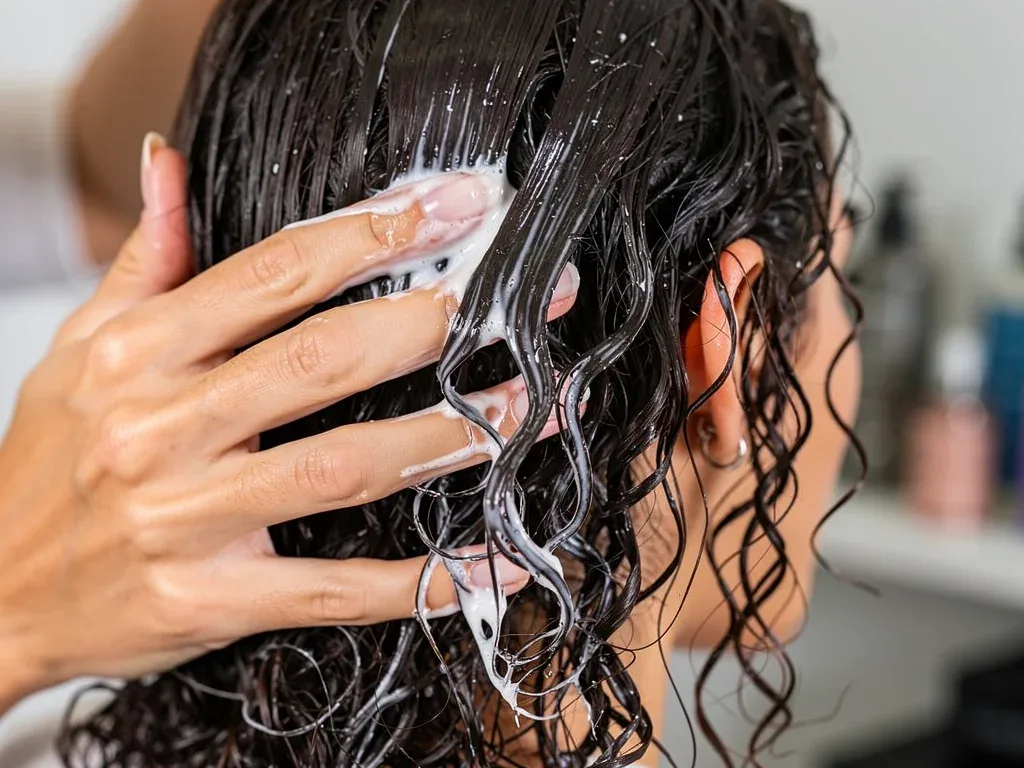
Many treatments are applied after cleansing and before conditioning so active ingredients can interact more directly with the hair shaft.
Following the recommended processing time and usage frequency helps maximize the intended benefits without unnecessary overuse.
Step-by-Step Treatment Process
The process usually begins with clean, damp hair so product buildup does not interfere with the bond-building treatment.
The solution is distributed evenly, with additional attention given to areas showing greater damage or weaker curl definition.
After processing, rinsing and conditioning help restore moisture and support the repaired structure throughout the hair.
Cleanse hair thoroughly.
Apply bond-building treatment evenly.
Rinse and condition to seal benefits.
Integrating Bond-Building into Your Hair Care Routine
Regular use of bond-building products can help chemically treated waves maintain stronger structure and more consistent curl definition.
Gentle handling, reduced heat exposure, and protective styling practices can further support the benefits of the treatment.
A professional stylist can also help determine an appropriate routine based on hair type, damage level, and chemical treatment history.
Benefits Beyond Just Curl Retention
The molecular bond-building method is designed to offer benefits that extend beyond achieving stronger 24-hour curl retention.
Users may experience improved elasticity, reduced breakage, greater shine, and more resilience against environmental or styling stress.
Stronger internal structure can also reduce dryness and frizz, helping chemically treated waves feel smoother and more manageable.
Enhanced Hair Health and Resilience
Repairing internal bonds can create stronger hair fibers that are better able to withstand brushing, styling, and environmental exposure.
Improved strength may also reduce split ends and breakage, helping chemically treated waves maintain a healthier appearance over time.
This broader improvement in hair health makes bond-building more than a temporary styling solution.
Frizz Control and Increased Shine
Frizz can become more noticeable when damaged hair is porous and the cuticle allows moisture to affect the curl pattern.
Strengthening the internal structure can support a smoother surface, helping hair reflect light more evenly and appear shinier.
This combination of reduced frizz and greater shine complements the goal of maintaining defined curls throughout the day.
Comparing Molecular Bond-Building to Traditional Methods
Traditional curl-retention methods often depend on styling products, heat techniques, or drying routines to maintain shape temporarily.
These approaches mainly affect the exterior of the hair and may not address structural damage caused by chemical processing.
Bond-building treatments instead focus on internal repair, creating a different foundation for maintaining curl structure and resilience.
Limitations of Conventional Curl Products
Curl creams, mousses, and gels can provide temporary hold but may also create buildup, stiffness, or additional weight.
Their effectiveness can decrease with humidity, friction, or time, especially when the underlying hair structure is already compromised.
Because they do not rebuild internal bonds, these products may be less effective for maintaining chemically treated waves over extended periods.
The Longevity Advantage of Bond-Building
Bond-building creates a stronger internal framework that can help curls return to their defined shape more consistently after washing.
This internal strength may also reduce the effect of environmental conditions that normally cause curls to loosen or become frizzy.
Over time, healthier and stronger hair can support more reliable 24-hour curl retention than surface-level styling alone.
Ideal Candidates for the Molecular Bond-Building Method
The method is particularly relevant for individuals with chemically treated waves affected by weakened internal structure or reduced definition.
Permed, color-treated, or transitioning hair may benefit because these processes can alter the bonds responsible for strength and shape.
People experiencing persistent frizz, breakage, or poor curl retention may also consider this approach within their broader hair care routine.
Chemically Treated Waves and Curls
Chemical treatments can weaken disulfide bonds, leaving curls more fragile and less capable of maintaining their original structure.
Bond-building directly addresses this damage by reinforcing the internal connections that support curl shape and elasticity.
This makes the method particularly relevant for chemically altered waves seeking more reliable and extended definition.
Hair Prone to Frizz and Breakage
Frizz and breakage often indicate that both the external cuticle and internal structure of the hair have become compromised.
Repairing molecular bonds can strengthen the hair shaft and support a smoother surface that is less vulnerable to mechanical damage.
This combination can improve resilience while reducing some of the structural causes associated with persistent frizz and breakage.
Maintenance and Long-Term Results
Maintaining 24-hour curl retention requires continued care rather than treating molecular bond-building as a one-time solution.
Application frequency can vary depending on the degree of chemical damage, hair condition, and recommendations for the specific product.
Consistent maintenance helps preserve newly reinforced bonds and supports stronger curl definition over a longer period.
Sustaining Curl Definition Over Time
Protecting repaired hair means minimizing factors that can weaken its structure again, including excessive heat and harsh chemical processing.
Gentler hair products can also help preserve moisture and reduce unnecessary stripping of the hair's natural protective components.
Combining these habits with regular bond-building treatments supports longer-lasting curl definition and overall structural resilience.
Regular bond-building treatments.
Minimize heat styling and harsh chemicals.
Use gentle, sulfate-free hair products.
Complementary Hair Care Practices
Deep conditioning masks and leave-in products can provide hydration that complements the structural benefits of bond-building treatments.
Protective techniques such as pineappling or using silk pillowcases may also reduce friction and help maintain overnight curl definition.
A routine combining repair, hydration, and protection creates stronger support for chemically treated waves over time.
Future Innovations in Curl Retention Technology
Hair science continues to develop new approaches for repairing structural damage and supporting longer-lasting curl retention.
Research may introduce more targeted molecules, improved delivery systems, and faster or more customized treatment methods.
These advances could expand the effectiveness of molecular repair while addressing additional aspects of chemically treated hair health.
Emerging Technologies and Research
Researchers are exploring the biomechanics of curly hair beyond disulfide bonds, including the roles of proteins and lipids.
New multifunctional ingredients may combine bond repair with hydration, UV protection, and defense against environmental pollutants.
These developments could make future curl-retention treatments more comprehensive while maintaining focus on internal structural repair.
Personalized Curl Care Solutions
Personalized beauty technology may eventually allow treatments to be adjusted according to the specific condition of each individual's hair.
Diagnostic tools could identify damage patterns and guide custom combinations of ingredients designed for targeted molecular repair.
This level of personalization could improve treatment precision and make long-lasting curl retention more consistent across different hair types.
Addressing Common Concerns and Misconceptions
Bond-building treatments are sometimes misunderstood as products intended only for hair that has already experienced severe chemical damage.
They may also be useful as part of ongoing maintenance for chemically treated waves that still appear relatively healthy.
Understanding their preventive and restorative roles helps create more realistic expectations about 24-hour curl retention and long-term results.
Is Bond-Building Only for Severely Damaged Hair?
Bond-building can be particularly valuable for severely damaged hair, but chemically processed hair at other damage levels may also benefit.
Reinforcing internal bonds before extensive breakage develops can support strength and help preserve curl definition over time.
This makes the method both a repair strategy and a maintenance option for a broader range of chemically treated curls.
Expected Results and Realistic Expectations
Results can differ depending on hair type, chemical history, existing damage, product selection, and consistency of treatment.
Users may experience improved definition, less frizz, and stronger hair, while exact retention time can vary between individuals.
Consistent treatment and appropriate care remain important for achieving the strongest possible improvement in curl retention.
Significant improvement in curl definition and frizz.
Enhanced hair resilience and reduced breakage.
Consistent use and proper care are key for optimal 24-hour curl retention.
Key Point | Brief Description |
|---|---|
Molecular Repair | Rebuilds broken disulfide bonds for internal hair strength. |
24-Hour Retention | Ensures curls remain defined and bouncy for a full day. |
Enhanced Hair Health | Reduces frizz, breakage, and improves shine and elasticity. |
Targeted Audience | Ideal for chemically treated waves and hair prone to damage. |
Frequently Asked Questions About Curl Retention
What exactly is the molecular bond-building method?▼
It is a hair treatment approach designed to reinforce internal disulfide bonds that contribute to strength, elasticity, and curl structure.
How does this method ensure 24-hour curl retention?▼
By strengthening internal hair structure, the method creates a more stable foundation that can help curls maintain definition longer.
Is this method suitable for all types of chemically treated waves?▼
The source describes it as suitable for chemically processed waves, including permed, color-treated, and transitioning hair.
What are the long-term benefits of using bond-building treatments?▼
Potential benefits include improved elasticity, reduced breakage, greater shine, better frizz control, and stronger overall hair structure.
How often should I use bond-building products for optimal results?▼
Frequency depends on hair condition and product instructions, with weekly, bi-weekly, or other schedules potentially being appropriate.
Perspectives
Molecular bond-building represents a shift toward treating the internal structure of chemically treated waves rather than relying only on temporary styling.
The method combines the goal of 24-hour curl retention with broader benefits involving strength, resilience, shine, and reduced breakage.
Continued research may further refine these treatments and expand personalized options for maintaining defined and healthier-looking curls.