Eco-friendly home tech innovations that shape the future

Anúncios
Eco-friendly home tech innovations, including renewable energy sources, smart systems, and sustainable materials, significantly reduce environmental impact while enhancing energy efficiency and comfort in modern living spaces.
Eco-friendly home tech innovations are changing how we live, making our homes smarter and greener.
Have you considered how these technologies can impact your daily life and the environment?
Understanding eco-friendly technologies
Understanding eco-friendly technologies is essential as we strive for a sustainable future.
These technologies help reduce our carbon footprint and conserve natural resources, making our environment cleaner.
One of the most exciting aspects of this innovation is how it integrates into our daily lives. Not only do these technologies promote sustainability, but they also enhance home comfort and efficiency.
Types of eco-friendly technologies
Various types of eco-friendly technologies can be implemented in homes:
- Solar panels: Harnessing sunlight to generate electricity reduces reliance on fossil fuels.
- Smart thermostats: These devices optimize energy use by adjusting heating and cooling automatically.
- Energy-efficient appliances: Appliances with high energy ratings consume less power and lower utility bills.
- Rainwater harvesting systems: Collecting rainwater helps conserve water for irrigation and non-potable uses.
Integrating these technologies into your home can lead to significant savings and a smaller ecological impact. Additionally, many homeowners find that these innovations can even enhance the overall aesthetic of their living spaces.
The benefits of eco-friendly technologies
Another benefit of incorporating eco-friendly technologies is the potential for increased property value. Homes equipped with sustainable features often attract eco-conscious buyers, making them more desirable in the real estate market.
Moreover, utilizing green technologies can result in long-term financial gains, as utility costs decrease over time. There are even potential tax incentives that help offset initial investments in these systems.
Overall, understanding and adopting eco-friendly technologies is a step toward creating a more sustainable and responsible lifestyle. By being informed, you can make choices that benefit both your home and the planet.
Top energy-efficient devices for homes
When considering ways to make your home more sustainable, knowing the top energy-efficient devices is important. These devices not only help save energy but can also reduce your utility bills.
An increasing number of homeowners are choosing energy-efficient options to create an environmentally friendly living space.
These devices combine performance with sustainability, appealing to eco-conscious individuals.
1. Energy-efficient lighting
LED bulbs are a popular choice since they use less electricity and last significantly longer than traditional incandescent bulbs.
- LED bulbs: Use up to 75% less energy.
- Smart lighting: Automates outdoor and indoor lighting based on schedules.
- CFL bulbs: Compact fluorescent lights also consume less energy.
Choosing these lighting solutions helps reduce overall energy consumption, making a noticeable difference.
2. Smart power strips
Another effective solution is using smart power strips to manage energy consumption at home. These devices automatically cut off power to electronics when they are not actively in use.
This helps eliminate phantom energy usage, which occurs when devices remain on standby and continue drawing electricity. Over time, this hidden consumption can significantly impact your energy bill.
By using smart strips, households can reduce unnecessary waste and improve efficiency. The savings may seem small at first, but they accumulate steadily, making a noticeable difference in the long run.
3. High-efficiency appliances
Investing in high-efficiency appliances can significantly reduce energy consumption in your home. Look for products with the ENERGY STAR label, which indicates superior energy performance.
- Refrigerators: Modern, efficient models use much less energy than older ones.
- Washing machines: High-efficiency washers consume less water and electricity.
- Dishwashers: Today’s models are designed to be much more efficient than older units.
Switching to these appliances not only conserves energy but also optimizes home operations.
4. Smart thermostats
One of the most impactful devices is a smart thermostat. These devices learn your schedule and preferences, adjusting the temperature automatically.
With the ability to control your heating and cooling remotely, you can ensure optimal efficiency while you’re away from home.
By investing in smart energy-efficient devices, you are taking a step toward a greener future while enhancing your home’s comfort.
Smart home systems for sustainability
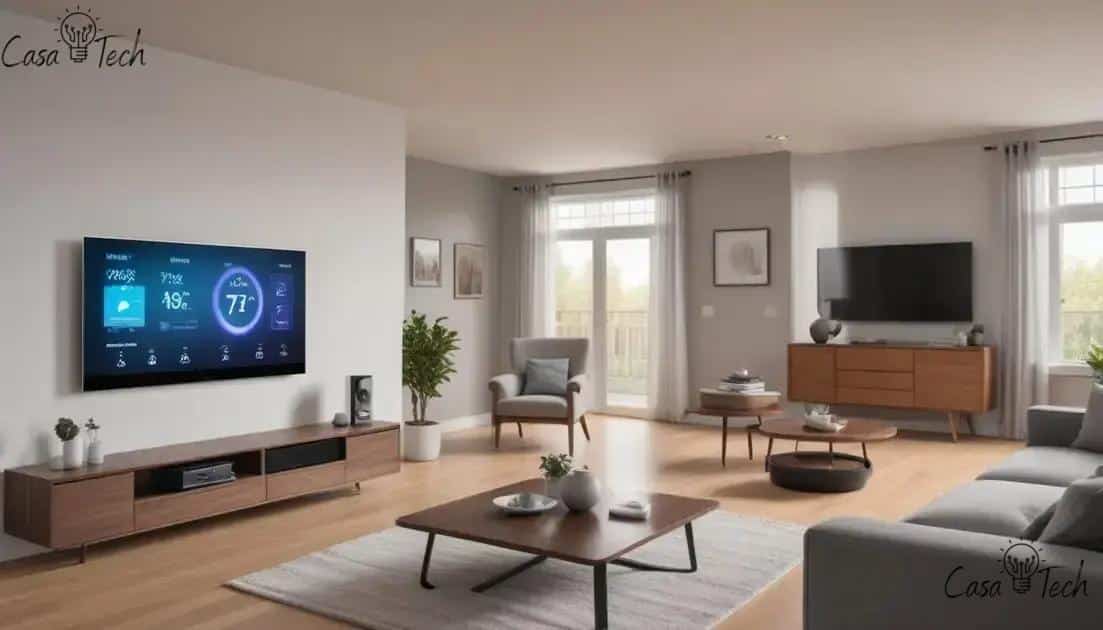
Smart home systems play a crucial role in enhancing sustainability in our living spaces. These technologies allow homeowners to monitor and control their energy consumption efficiently, leading to significant environmental benefits.
With the rise of the Internet of Things (IoT), home automation has become more accessible.
By integrating various devices, homeowners can create a more sustainable lifestyle, optimizing energy use and reducing waste.
Key features of smart home systems
Some important features of smart home systems include:
- Remote monitoring: Homeowners can track energy use in real-time through apps.
- Automation: Devices can be programmed to operate at specific times, reducing energy waste.
- Integration: Multiple devices can work together for seamless operation and efficiency.
These features make managing energy resources easier and more efficient.
Energy management and savings
Smart home systems provide valuable insights into energy consumption patterns. Understanding these patterns allows homeowners to make informed decisions to improve their energy efficiency.
For instance, a smart thermostat can learn your schedule and adjust temperature settings accordingly. This not only makes your home more comfortable but also reduces energy costs.
Many smart systems can generate reports on energy use, helping identify opportunities for savings. This can lead to effective changes, such as unplugging devices that consume energy when not in use.
Eco-friendly enhancements
In addition to energy management, smart home systems facilitate the integration of eco-friendly technologies. For example, homeowners can link solar panels to their smart systems to optimize energy storage and usage.
This ensures that energy generated from renewable sources is utilized efficiently and reduces reliance on non-renewable resources.
By adopting smart home systems, individuals can contribute to a more sustainable future, promoting responsible consumption and energy management.
The role of renewable energy in home tech
The role of renewable energy in home technology is becoming increasingly important as more households seek sustainable solutions.
These energy sources contribute to a cleaner environment while providing reliable power for various home devices.
Incorporating renewable energy into home tech not only reduces dependence on fossil fuels but also minimizes electricity bills. Understanding how these energies work can guide homeowners in making eco-friendly choices.
Types of renewable energy sources
Several types of renewable energy are commonly used in home technology:
- Solar energy: Solar panels convert sunlight into electricity, providing a sustainable power source for homes.
- Wind energy: Small wind turbines can generate electricity in areas with consistent wind flow.
- Geothermal energy: This utilizes the earth’s heat for heating and cooling systems.
- Hydroelectric energy: Smaller water turbines can harness energy from flowing water sources to power your home.
With these renewable sources, homeowners can significantly cut down on their carbon footprint.
Benefits of using renewable energy
Utilizing renewable energy offers several advantages for home tech. First, it dramatically reduces greenhouse gas emissions, contributing to a healthier planet.
Second, renewable energy systems often lead to long-term savings. Although the initial setup may require investment, the reduction in utility bills can provide a return on this investment over time.
Moreover, many renewable energy systems are eligible for government incentives or tax breaks, making them more affordable. This further encourages homeowners to make the switch.
Integrating renewable energy into home technology
Integrating renewable energy into home tech systems is both beneficial and achievable. Many homes now feature solar panels combined with smart home systems to optimize energy usage.
Through smart technologies, homeowners can monitor their energy generation and consumption in real-time, adjusting their usage according to availability. This maximizes the benefits of renewable energy, ensuring it is used efficiently and effectively.
By embracing renewable energy, homeowners take a vital step toward a sustainable future, reducing their impact on the environment while enjoying the advantages of modern technology.
Innovative materials for eco-friendly renovations
Innovative materials are transforming eco-friendly renovations, making homes more sustainable while enhancing their aesthetic appeal.
These materials help reduce waste and improve energy efficiency, contributing to a greener future.
As homeowners become more environmentally conscious, the demand for sustainable building materials is increasing. This shift not only aids the planet but also promotes healthier living spaces.
Types of innovative materials
Several innovative materials are commonly used in eco-friendly renovations:
- Recycled materials: Items such as reclaimed wood or recycled metal can be used for flooring, cabinets, and fixtures.
- Low-VOC paints: These paints improve indoor air quality by minimizing volatile organic compounds.
- Sustainable insulation: Materials like sheep’s wool or cellulose made from recycled paper provide excellent thermal performance.
- Bamboo: A fast-growing grass, bamboo serves as a sustainable alternative to hardwood for flooring and cabinetry.
Using these materials not only helps the environment but also adds unique character to homes.
Benefits of using innovative materials
One major advantage of innovative materials is their durability. Many eco-friendly options are as strong, if not stronger, than traditional materials.
This longevity means fewer replacements over time, which in turn reduces waste. Additionally, many of these materials are designed to promote energy efficiency.
For instance, sustainable insulation can significantly lower heating and cooling costs. This not only saves money but also reduces the overall energy footprint of a home.
Integrating innovative materials in renovations
Integrating innovative materials into your renovation projects is easy with proper planning. Start by researching local suppliers who specialize in sustainable options. Many companies now offer a range of eco-friendly products to meet the growing demand.
Consider working with a contractor familiar with eco-friendly practices to ensure the best results. This collaboration can lead to unique design choices that align with sustainability goals.
Choosing innovative materials for eco-friendly renovations is a smart investment. By selecting sustainable options, homeowners contribute to a healthier planet while creating beautiful, functional spaces.
Future trends in green home technology
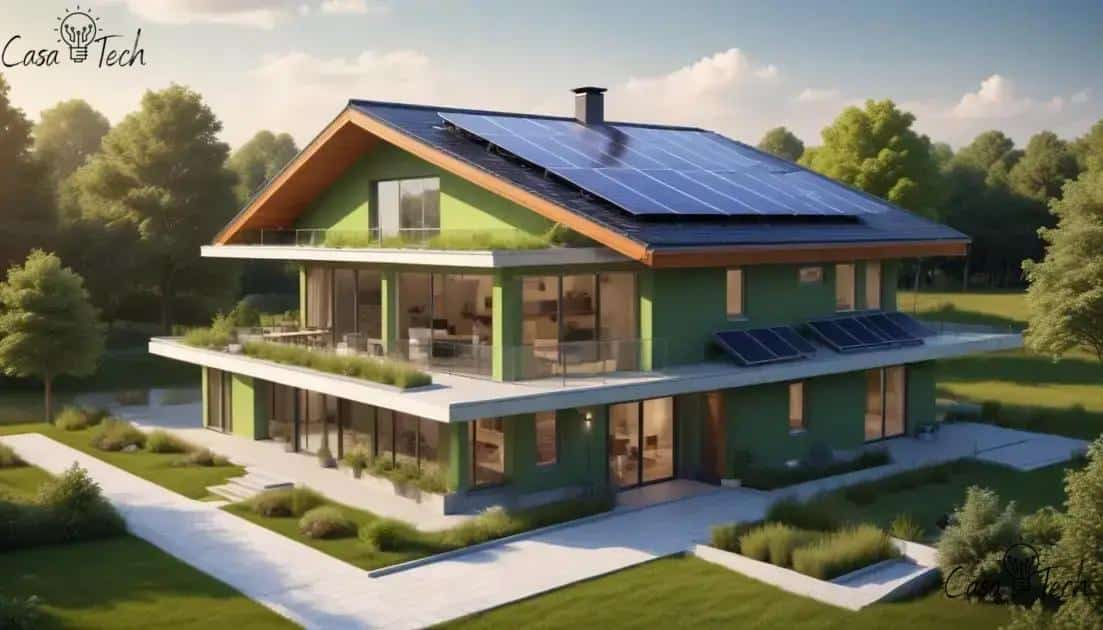
Future trends in green home technology are shaping how we think about building and living sustainably. As innovation progresses, more efficient products and systems are becoming available to homeowners.
One of the most exciting aspects is the increasing integration of smart technologies with sustainable practices.
Homeowners are now looking for ways to combine technology with eco-friendly solutions to improve their living spaces.
Emerging technologies
Several emerging technologies are leading the way in green home development:
- Solar roof tiles: These tiles blend roofing materials with solar technology, generating energy without compromising aesthetics.
- Home battery storage: Systems that store excess energy from solar panels allow homeowners to use renewable energy any time.
- Smart energy management systems: These systems monitor and optimize energy consumption in real-time, helping to save resources.
These technologies not only help reduce energy costs but also enhance the overall sustainability of homes.
Sustainable materials and construction methods
The future of green home technology also focuses on sustainable materials and construction practices.
Innovations in materials science are leading to the development of stronger and more eco-friendly options. Building with recycled, reclaimed, or sustainable materials minimizes environmental impact and reduces waste.
Additionally, methods such as modular construction allow for faster build times with less waste. This shift towards sustainability means homes can be constructed with a lower carbon footprint while maintaining structural integrity.
Energy-efficient appliances and systems
Energy-efficient appliances will continue to evolve, offering even greater efficiency and performance. Innovations will likely lead to appliances that consume less water and energy without sacrificing quality or usability.
Homeowners can expect to see smart appliances that adapt to their habits, optimizing energy use and further driving down costs.
By embracing these future trends in green home technology, individuals can create homes that are not only efficient but also environmentally responsible, leading to a brighter and more sustainable future.
Conclusion
In conclusion, embracing eco-friendly home tech innovations is essential for creating a sustainable future.
By utilizing renewable energy sources, smart home systems, and innovative materials, homeowners can significantly reduce their environmental impact.
The trends in green technology not only promote energy efficiency but also enhance the comfort and beauty of our living spaces.
As we move forward, it’s vital to remain conscious of how our choices affect the planet and to adopt practices that lead to a greener, more sustainable lifestyle.
FAQ – Frequently Asked Questions about Eco-Friendly Home Tech Innovations
What are some examples of renewable energy sources for homes?
Common renewable energy sources include solar panels, wind turbines, and geothermal systems, which help reduce reliance on fossil fuels.
How can smart home systems enhance energy efficiency?
Smart home systems allow homeowners to monitor and control energy use, optimizing consumption and reducing unnecessary waste.
What innovative materials can be used in eco-friendly renovations?
Innovative materials include recycled wood, bamboo, and low-VOC paints, all of which contribute to sustainable building practices.
Why is it important to focus on sustainability in home technology?
Focusing on sustainability helps reduce environmental impact, lowers utility costs, and promotes healthier living conditions.