Stop Overspending on 10-Step K-Beauty: 3 Active Formulations
Anúncios
Stop Overspending on 10-Step K-Beauty: 3 Active Formulations Giving 80% Better Hydration Retention explores whether a simpler skincare approach can provide effective hydration without requiring an extensive collection of products.
Hyaluronic acid, ceramides, and glycerin are widely used moisturizing ingredients, although claims of an 80% improvement require specific clinical evidence that cannot be generalized to every formulation.
A K-Beauty hydration routine does not need ten separate products to support comfortable, moisturized skin. Choosing suitable formulations and maintaining a consistent skincare schedule may be more useful than following a fixed number of steps.
Hyaluronic acid, ceramides, and glycerin can support hydration through complementary mechanisms, making them useful ingredients to consider when comparing moisturizers, serums, and other skincare products.
Anúncios
This guide explains how these ingredients work, what scientific research actually demonstrates, and how to build a practical routine while avoiding unnecessary purchases and exaggerated performance claims.
The Shift Away from 10-Step K-Beauty Routines
The traditional multi-step Korean skincare approach introduced many consumers to cleansing oils, toners, essences, serums, moisturizers, and specialized treatments designed for different skin concerns.
However, the number of products used does not automatically determine effectiveness, since skin hydration depends on formulation quality, individual skin characteristics, environmental conditions, and consistent application.
A simplified K-Beauty hydration routine can focus on essential functions such as gentle cleansing, effective moisturizing, and daily sun protection, with additional products included only when they serve a clear purpose.
Anúncios
Why Less Can Be More for Hydration
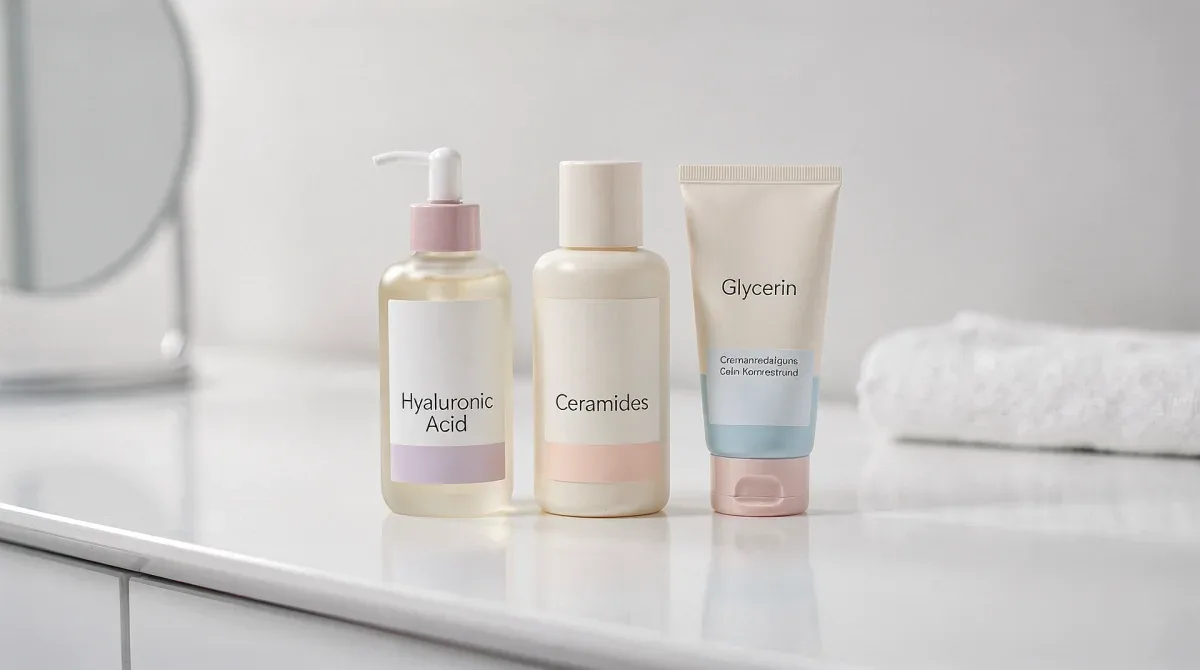
Using fewer skincare products may help reduce unnecessary spending and make it easier to identify ingredients that cause irritation, dryness, or other unwanted reactions.
For people experiencing skin sensitivity, introducing several new formulations simultaneously can make it difficult to determine which product is responsible for an uncomfortable response.
Building a K-Beauty hydration routine around a few well-tolerated products may encourage consistent use, although additional treatments can still be appropriate when recommended for specific skin conditions.
Key Active Formulations for Superior Hydration Retention
Moisturizing products commonly combine humectants, emollients, and occlusive ingredients to attract water, improve skin comfort, and help limit moisture loss from the outer skin layers.
Hyaluronic acid and glycerin primarily function as humectants, while ceramides are lipid components associated with the skin's protective barrier and its ability to retain moisture.
When selecting products for a K-Beauty hydration routine, consider the overall formulation rather than assuming that a higher concentration of one ingredient guarantees better hydration or greater effectiveness.
Hyaluronic Acid: The Moisture Magnet
Hyaluronic acid is a naturally occurring substance found in the body and widely used in skincare because of its ability to bind water and support surface hydration.
Topical products containing hyaluronic acid may temporarily improve the appearance and feel of dry skin, although performance depends on molecular characteristics, formulation, and environmental conditions.
A well-formulated hyaluronic acid serum can complement a K-Beauty hydration routine, but a separate serum may be unnecessary when an existing moisturizer already provides sufficient hydration.
Water Binding: Helps attract and retain moisture within cosmetic formulations and the outer skin layers.
Skin Appearance: May temporarily improve the appearance of dryness-related fine lines.
Product Selection: Effectiveness depends on the complete formulation rather than the ingredient name alone.
Ceramides: Reinforcing the Skin's Barrier
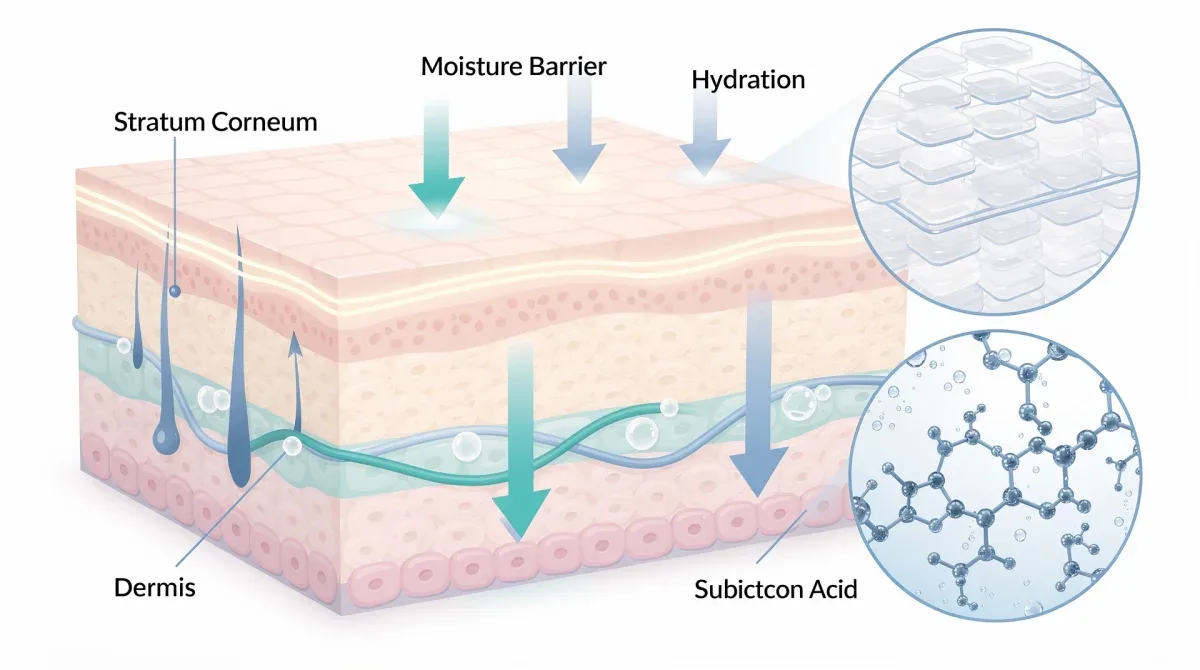
Ceramides are lipids naturally present in the outermost layer of the skin, where they contribute to the protective structure that helps regulate water loss.
When the skin barrier is disrupted, dryness, irritation, and increased sensitivity may become more noticeable, making appropriate moisturizing products an important part of skincare.
Including ceramide-containing products in a K-Beauty hydration routine may support barrier maintenance, particularly when combined with other moisturizing ingredients suited to individual skin needs.
The Role of Ceramides in Moisture Retention
The skin barrier contains a combination of lipids that help maintain structural integrity and reduce excessive transepidermal water loss, commonly abbreviated as TEWL.
Moisturizers formulated with ceramides may support barrier function, but their effectiveness also depends on surrounding ingredients, product composition, and the condition being treated.
For a practical K-Beauty hydration routine, ceramides can be included in a daily moisturizer without requiring a separate product dedicated exclusively to this ingredient.
Barrier Support: Contribute to the lipid structure of the outer skin layer.
Moisture Retention: Support the skin's ability to limit excessive water loss.
Dry Skin Care: May be useful in moisturizers designed for dry or sensitive skin.
Glycerin: A Versatile Humectant for Lasting Hydration
Glycerin, also known as glycerol, is a common moisturizing ingredient used in skincare products because it attracts water and helps maintain hydration in the outer skin layers.
It appears in products across different price ranges, including affordable moisturizers, gentle cleansers, hydrating serums, and formulations intended for dry or sensitive skin.
A K-Beauty hydration routine can benefit from glycerin-containing products without requiring expensive specialty formulations, making ingredient-list comparisons useful when shopping on a budget.
Integrating Glycerin for Optimal Results
Glycerin can be combined with hyaluronic acid, ceramides, and other moisturizing ingredients to support hydration through several complementary mechanisms.
Its effectiveness depends on the complete product formulation, and not every glycerin-containing moisturizer will feel equally comfortable on oily, dry, combination, or sensitive skin.
People following a K-Beauty hydration routine should choose textures appropriate for their preferences, such as lightweight gels for some oily skin types or richer creams for persistent dryness.
Humectant Function: Attracts water and contributes to hydration.
Accessibility: Commonly found in moisturizers across a wide range of prices.
Versatility: Can be incorporated into formulations for different skin types.
The Science Behind 80% Better Hydration Retention
Claims of an 80% improvement in hydration retention require a clearly identified study, defined measurement method, specific formulation, and appropriate comparison group.
Skin hydration research may measure water content in the outer skin layer, transepidermal water loss, or changes in skin condition following application of a moisturizer.
Although these measurements can demonstrate product benefits, there is insufficient evidence to establish that every K-Beauty hydration routine containing hyaluronic acid, ceramides, and glycerin provides 80% better moisture retention.
Clinical Evidence Supporting Targeted Formulations
Clinical skincare studies investigate how moisturizing ingredients affect skin hydration, barrier function, and symptoms of dryness under controlled conditions.
Some research supports combining humectants with moisturizing creams, but outcomes vary according to the products tested, duration of observation, and characteristics of participants.
The American Academy of Dermatology's official guidance on relieving dry skin recommends appropriate moisturizers and identifies glycerin and hyaluronic acid among ingredients worth considering, without promising a universal percentage improvement.
Skin Hydration: Often evaluated through measurements of water content in the outer skin layers.
Barrier Function: May be evaluated using transepidermal water loss measurements.
Individual Response: Results vary according to skin condition, product formulation, and application habits.
Cost-Effectiveness and Sustainability in Skincare
Reducing unnecessary product purchases can help consumers control skincare expenses, particularly when multiple products contain similar moisturizing ingredients or serve overlapping purposes.
A streamlined K-Beauty hydration routine may also reduce the quantity of unused products and packaging purchased, although environmental outcomes depend on packaging materials, product use, and disposal practices.
Instead of assuming that expensive skincare always performs better, compare ingredient lists, container sizes, product tolerability, and the actual cost of maintaining a routine over time.
Budgeting for Better Skin Health
A practical skincare budget begins with identifying which products serve essential purposes and which purchases are optional or duplicate functions already covered by existing formulations.
For example, a gentle cleanser, a suitable moisturizer, and broad-spectrum sunscreen may form the foundation of a routine without requiring multiple additional hydrating serums.
To keep a K-Beauty hydration routine affordable, prioritize products that suit your skin and monitor whether additional items produce noticeable benefits before continuing to purchase them.
Review Current Products: Identify moisturizers already containing the ingredients you need.
Compare Costs: Consider price per unit and realistic usage frequency.
Avoid Duplicates: Purchase additional serums only when they serve a useful purpose.
Implementing a Simplified Hydration Routine
A basic hydration-focused routine begins with gentle cleansing, followed by a suitable moisturizer and daytime sun protection when appropriate.
Hyaluronic acid serums can be included when desired, but they are optional if the moisturizer already provides sufficient comfort and hydration throughout the day.
Consistency and product tolerability are more important than following a predetermined number of steps, allowing each K-Beauty hydration routine to reflect individual skin needs.
Building Your New Skincare Regimen
Start with a gentle cleanser appropriate for your skin type, avoiding overly harsh products that leave the face uncomfortable, tight, or excessively dry.
Apply a moisturizer while the skin is still slightly damp when suitable, choosing a formulation with ingredients such as glycerin, hyaluronic acid, ceramides, or other effective moisturizing components.
Complete the daytime routine with broad-spectrum sunscreen offering SPF 30 or higher, and adjust your K-Beauty hydration routine when weather conditions or skin needs change.
Step 1: Cleanse gently without excessive scrubbing.
Step 2: Apply a suitable moisturizer, with optional hydrating serum when needed.
Step 3: Use appropriate sun protection during the day.
Future Outlook: The Evolution of K-Beauty and Skincare
Skincare brands continue developing products that combine several moisturizing functions, potentially allowing consumers to address multiple concerns without purchasing an extensive collection of separate formulations.
Ingredient transparency and improved product testing may help shoppers compare formulations more effectively, although marketing language should still be distinguished from independently supported clinical findings.
The future of the K-Beauty hydration routine may include both minimalist and multi-step approaches, with consumers choosing products according to their preferences rather than assuming one routine works for everyone.
Emerging Trends in Hydration Science
Researchers continue investigating ingredient delivery systems, skin barrier biology, and formulations designed to maintain hydration under different environmental conditions.
Developments involving encapsulation, lipid-based moisturizers, and personalized product selection may offer additional options, but each innovation requires appropriate evidence before claims of superior effectiveness are justified.
For consumers building a K-Beauty hydration routine, the most practical approach remains selecting evidence-informed products, monitoring skin comfort, and consulting qualified professionals when persistent problems develop.
Ingredient Research: Continued evaluation of moisturizing compounds and formulation performance.
Barrier Support: Greater attention to products designed to maintain comfortable skin hydration.
Personalization: Product choices based on individual needs rather than universal routines.
Key Point | Brief Description |
|---|---|
Simplified Skincare | A focused routine can provide appropriate hydration without requiring ten different products. |
Active Formulations | Hyaluronic acid, ceramides, and glycerin support moisturizing and skin barrier functions through different mechanisms. |
80% Better Retention | A universal 80% improvement is not established by the evidence reviewed; individual product claims require specific clinical support. |
Cost & Sustainability | Fewer unnecessary products may reduce spending and unused packaging, depending on purchasing habits. |
Frequently Asked Questions About Simplified K-Beauty
Why is a 10-step K-Beauty routine no longer considered optimal?▼
A ten-step routine is not inherently ineffective, but it is also not necessary for everyone. The ideal skincare approach depends on individual needs, product formulations, and tolerance. Some people benefit from a K-Beauty hydration routine with fewer steps, while others may require additional treatments for specific concerns.
What are the three active formulations for better hydration retention?▼
Hyaluronic acid, ceramides, and glycerin are three useful moisturizing ingredients. Hyaluronic acid and glycerin function primarily as humectants, while ceramides contribute to the skin's protective lipid barrier. Their benefits depend on how they are formulated and used.
How do these formulations achieve 80% better hydration retention?▼
There is insufficient evidence to claim that every combination of these ingredients produces 80% better hydration retention. Studies may show improvements in skin hydration or reduced moisture loss, but results depend on the specific products, study conditions, and measurement methods.
Can I really save money by simplifying my skincare routine?▼
Potentially, yes. Reducing duplicate products and selecting moisturizers that perform several useful functions may lower routine expenses. Actual savings depend on the products purchased, their prices, how quickly they are used, and whether they meet your skincare needs.
Is a simplified routine suitable for all skin types?▼
A basic routine can be adapted to many skin types, but no formulation is universally suitable. People with oily skin may prefer lighter textures, while dry skin may benefit from richer creams. Persistent irritation, painful dryness, or other concerning symptoms should be evaluated by a qualified dermatologist.
What this means
A K-Beauty hydration routine can be effective without relying on ten separate products, particularly when the selected formulations provide appropriate moisture and support the skin barrier.
Hyaluronic acid, ceramides, and glycerin are useful ingredients to consider, but their inclusion does not guarantee a specific percentage of hydration improvement or identical results for every person.
Choosing suitable products, following a consistent routine, protecting skin from the sun, and avoiding unnecessary purchases can support a more practical approach to long-term skincare.