5 Clean Foundation Formulas for 16-Hour Transfer-Resistant Coverage
Anúncios
Clean long-wear foundations combine modern makeup technology with formulas designed for comfortable coverage and everyday performance. Discover five foundation types, learn how transfer-resistant ingredients work, and understand what to look for when choosing makeup for oily, dry, sensitive, or acne-prone skin.
Clean long-wear foundations are gaining attention among beauty enthusiasts who want dependable makeup coverage without compromising comfort or their individual skincare needs.
Finding a foundation that looks natural, stays in place, and feels comfortable throughout the day can be challenging, especially when skin becomes oily or sensitive.
This guide explores five foundation formula categories, explains how long-wear makeup works, and offers practical advice for choosing products based on skin type, finish, and ingredient preferences.
Anúncios
Understanding Clean Beauty and Foundation Innovation
The beauty industry continues to develop foundation formulas that combine cosmetic coverage with features associated with skincare and everyday comfort.
However, the term clean beauty does not have one universally accepted regulatory definition in the United States.
For consumers comparing clean long-wear foundations, understanding product ingredients and verified performance claims is more useful than relying exclusively on marketing terminology.
What Defines a Clean Foundation?
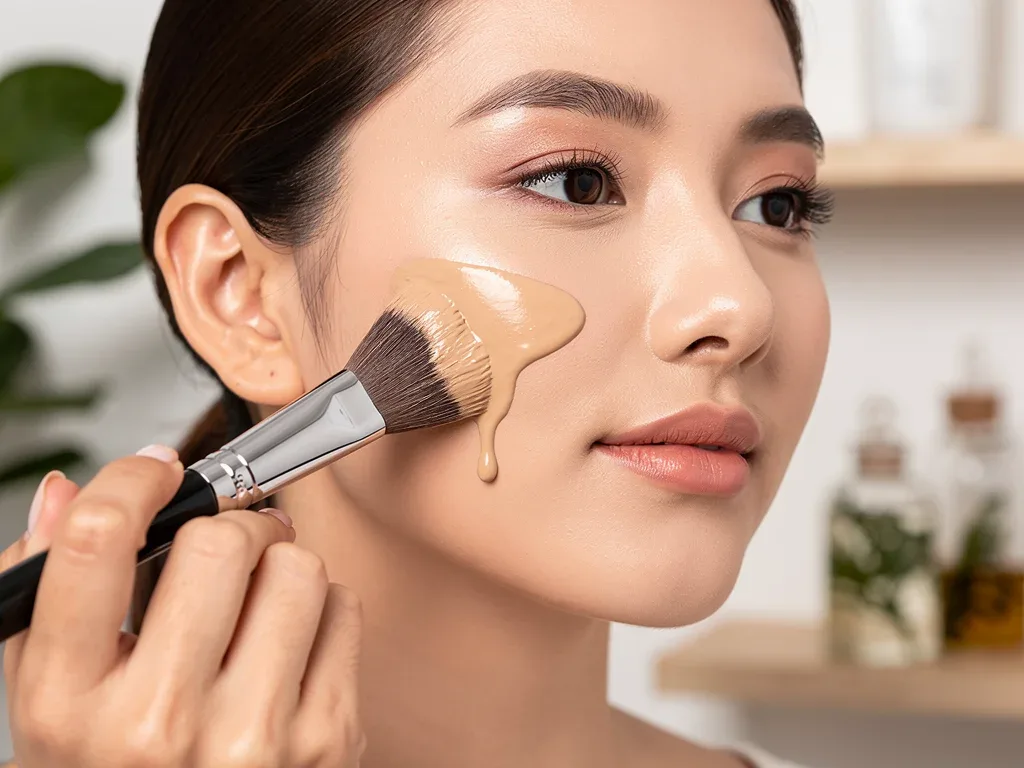
Clean foundation is generally a marketing description used by brands or retailers to identify products that follow particular ingredient-selection policies.
Anúncios
Some brands avoid certain fragrances, preservatives, or other ingredients, but the specific exclusions vary between manufacturers.
Because clean does not automatically mean safer, hypoallergenic, or non-comedogenic, shoppers should evaluate individual formulations and their own skin sensitivities.
Ingredient Transparency: Look for complete ingredient lists and clear product information.
Skin Compatibility: Consider known allergies, sensitivities, and personal reactions.
Performance Claims: Check whether wear-time and transfer-resistance claims are supported by appropriate testing.
Brand Practices: Review relevant certifications and environmental claims when these factors matter to you.
Why Ingredient Transparency Matters
Consumers increasingly have access to detailed product descriptions and ingredient lists through brand websites and beauty retailers.
This information can help people avoid substances that have previously caused irritation or other unwanted skin reactions.
When selecting clean long-wear foundations, reviewing ingredients is particularly important for individuals with known allergies or dermatological conditions.
Clean Beauty Is Not the Same as Natural Beauty
Natural ingredients are not automatically safer than synthetic ones, and synthetic ingredients are not inherently harmful.
Many effective cosmetics combine different types of materials to achieve texture, stability, color, preservation, and wear performance.
The safety of a foundation depends on the complete formulation, intended use, and relevant testing rather than whether every component comes from a natural source.
The Science Behind 16-Hour Transfer-Resistant Coverage
Long-wear foundations are formulated to maintain their appearance for extended periods while reducing movement or transfer during everyday activities.
Some products advertise wear lasting up to 16 hours, but these claims are specific to the manufacturer and should not be assumed to apply to every formula.
Understanding how clean long-wear foundations achieve their performance characteristics helps consumers evaluate product descriptions more critically.
How Film-Forming Ingredients Work
Film-forming ingredients help create a cohesive layer of makeup across the skin after the foundation is applied.
These materials may improve adhesion and reduce the movement of pigments during ordinary wear.
However, the final result also depends on skin preparation, product quantity, application method, and environmental conditions.
The Role of Pigments and Texture
Foundation pigments provide color and influence how effectively a product conceals uneven skin tone, redness, or other visible differences.
The size, concentration, and distribution of pigments can affect coverage, appearance, and how smoothly the product spreads.
For clean long-wear foundations, formulators must balance pigment concentration with comfort, flexibility, and the desired finish.
Understanding Transfer Resistance
Transfer resistance describes a foundation's ability to limit the amount of makeup deposited on clothing, hands, or other surfaces through contact.
It does not necessarily mean that the product is completely transfer-proof under every condition.
Friction, perspiration, facial oils, humidity, and repeated touching can influence how well a foundation maintains its appearance.
Film-Forming Polymers: May help pigments remain attached to the skin.
Oil-Absorbing Powders: Can help reduce visible shine in certain formulas.
Flexible Ingredients: Support comfortable movement of the makeup layer.
Water-Resistant Components: May improve performance under certain moisture conditions.
Addressing Pore Clogging in Foundation Formulas
Clogged pores can be a concern for individuals with oily or acne-prone skin, particularly when makeup is worn frequently.
However, the relationship between cosmetic ingredients and breakouts is complex, and reactions vary considerably between people.
When evaluating clean long-wear foundations, it is helpful to understand what non-comedogenic claims mean and why they cannot guarantee completely clear skin.
What Does Non-Comedogenic Mean?
The term non-comedogenic generally describes products formulated or tested with the intention of minimizing the likelihood of clogged pores.
However, testing methods and labeling practices can vary, and the claim does not establish that a foundation will never contribute to breakouts.
Individuals with acne-prone skin may benefit from monitoring how specific products perform rather than assuming that one label guarantees compatibility.
Understanding the Role of Different Ingredients
Foundation ingredients have different functions, including providing color, hydration, texture, stability, and long-wear performance.
Some formulas contain emollients such as squalane, while others rely on silicones, mineral pigments, or oil-absorbing powders.
No single ingredient category reliably determines whether an entire product will clog pores, because the complete formulation and individual skin response matter.
Humectants: Ingredients such as glycerin can help attract moisture.
Emollients: Materials such as squalane may improve softness and comfort.
Mineral Pigments: Ingredients such as iron oxides provide foundation color.
Absorbent Powders: Selected powders can help manage visible oiliness.
Why Makeup Removal Matters
Removing makeup before sleeping is a useful part of maintaining a consistent skincare routine.
Long-wear formulas may require a cleanser designed to remove persistent cosmetic films without excessive rubbing.
Using products appropriate for your skin and avoiding harsh cleansing methods can help reduce unnecessary irritation.
Five Clean Foundation Formula Types Worth Exploring
Modern makeup products offer a range of finishes and textures to suit different skin types and coverage preferences.
Rather than assuming that five unnamed products all provide clinically verified 16-hour wear, it is more helpful to compare the main foundation categories and their intended characteristics.
The following examples illustrate five popular approaches to clean long-wear foundations, from luminous complexion products to full-coverage formulas.
Formula 1: The Luminous Skin Perfector
Luminous foundations are designed to create a radiant finish that reflects light and gives the complexion a more hydrated appearance.
These products may include moisturizing ingredients or light-reflecting pigments that help reduce the appearance of dullness.
They can be appealing for normal or dry skin, although people with oily skin may prefer more targeted application or a different finish.
Who May Benefit From a Luminous Finish?
A luminous foundation may suit someone who prefers a fresh-looking complexion rather than a completely matte appearance.
Lightweight formulas can also be useful for everyday makeup when heavy coverage is unnecessary.
However, individual products vary in wear time and transfer resistance, so shoppers should review the manufacturer's specific claims.
Formula 2: The Matte Control Elixir
Matte foundations aim to reduce the appearance of shine and produce a more even, less reflective complexion.
They may include oil-absorbing powders or other ingredients that help manage the visible effects of facial oil throughout the day.
Among clean long-wear foundations, matte options can appeal to people with oily or combination skin, particularly when the formula feels comfortable and does not emphasize dry areas.
What to Look for in a Matte Foundation
A suitable matte formula should provide the desired coverage without feeling unnecessarily heavy or tight on the skin.
Consumers may prefer a soft-matte finish that controls excess shine while preserving a natural appearance.
Actual performance depends on the product, skin preparation, and environmental conditions rather than the matte label alone.
Formula 3: The Hydrating Veil Foundation
Hydrating foundations are designed to provide makeup coverage while maintaining a comfortable feeling on the skin.
They may include humectants, emollients, or other ingredients intended to support moisture retention during wear.
These formulas can be useful for people with dry or dehydrated skin, although individuals with different skin types may also enjoy their finish and texture.
Understanding Hydrating Ingredients
Ingredients such as glycerin and hyaluronic acid are commonly used in cosmetics because of their moisture-related properties.
Some foundations also include ceramides or squalane to support the product's conditioning characteristics.
However, the presence of these ingredients does not automatically mean a foundation can replace an appropriate moisturizer or treat a damaged skin barrier.
Formula 4: The Skin-Enhancing Serum Foundation
Serum-style foundations generally use lightweight textures that spread easily and create a natural-looking finish.
Some products include skincare-associated ingredients such as niacinamide, antioxidants, or hydrating compounds.
For consumers exploring clean long-wear foundations, this category may offer a comfortable everyday option, although lighter textures do not always provide the longest wear or strongest transfer resistance.
Do Serum Foundations Improve Skin Health?
Some ingredients found in serum foundations have established roles in skincare formulations, but their effects depend on concentration, delivery, and the complete product.
A makeup product containing a beneficial ingredient should not automatically be treated as a substitute for a dedicated skincare treatment.
Consumers should distinguish between cosmetic appearance claims and clinically supported skin treatment benefits.
Formula 5: The Full Coverage Defender
Full-coverage foundations are designed to conceal a greater amount of visible skin discoloration, uneven tone, or other cosmetic concerns.
These products may contain higher pigment concentrations and ingredients that help maintain the foundation's appearance over time.
However, full coverage does not necessarily mean the product will remain comfortable for 16 hours or that it is suitable for every skin type.
How to Choose Comfortable Full Coverage
A well-matched full-coverage foundation should provide the desired appearance without requiring unnecessarily thick layers.
Applying a small amount and building coverage gradually can help reduce the appearance of excess product.
People with sensitive or acne-prone skin should evaluate individual formulas carefully and discontinue use if persistent irritation occurs.
Comparing the Five Foundation Formula Types
Each foundation category offers a different combination of appearance, texture, coverage, and potential wear characteristics.
Because individual products within the same category can behave differently, shoppers should avoid treating these descriptions as guaranteed performance standards.
Comparing the five categories can make it easier to identify which type of clean long-wear foundations may suit specific preferences.
Choosing Based on Skin Type
Dry skin may feel more comfortable with moisturizing textures, while oily skin may benefit from formulas designed to manage shine.
Combination skin can require a balance of these characteristics, and sensitive skin may respond better to products without particular known irritants.
However, skin type is only a starting point because individual reactions and cosmetic preferences remain important.
Choosing Based on Coverage
Light coverage allows more of the natural complexion to remain visible, while medium coverage can reduce the appearance of uneven tone.
Full coverage creates a stronger concealing effect but may require additional attention to application and blending.
The ideal option depends on the desired look rather than a universal standard of which coverage level is best.
How to Make Foundation Last Longer
Application technique can influence the appearance and wear of makeup throughout the day.
Using appropriate skincare products, applying foundation in manageable layers, and allowing formulas to settle can help improve consistency.
For clean long-wear foundations, following the manufacturer's recommendations is often more effective than assuming every product requires the same preparation steps.
Prepare Your Skin Before Applying Makeup
Start with clean skin and use a moisturizer appropriate for your skin type if needed.
Allow skincare products to absorb sufficiently before applying foundation, especially when using several layers.
During the day, use suitable sun protection according to sunscreen labeling and professional guidance rather than relying solely on incidental SPF in makeup.
Apply Foundation in Thin Layers
Using excessive product can make makeup appear heavy or emphasize natural skin texture.
Begin with a small amount and gradually add coverage in areas where you prefer a more even appearance.
Brushes, sponges, and fingers can all be effective application tools when used hygienically and appropriately for the specific product.
Use Setting Products When Appropriate
Some consumers use setting powders or sprays to help maintain their preferred foundation appearance.
These products can influence shine, texture, and transfer resistance, but results depend on compatibility with the underlying formula.
A suitable finishing product should complement the makeup rather than create excessive dryness or discomfort.
Consumer Perspectives and Clean Beauty Trends
Consumers increasingly consider ingredient information, cosmetic performance, and brand practices when selecting beauty products.
Online reviews can provide useful observations about wear, shade matching, and texture, although individual experiences vary considerably.
For shoppers considering clean long-wear foundations, combining product information with realistic expectations can lead to more informed decisions.
The Rise of Ingredient Scrutiny
Ingredient transparency has become an important part of how consumers evaluate makeup and skincare products.
Some shoppers prioritize fragrance-free formulations, while others focus on packaging, animal testing policies, or particular environmental standards.
However, ingredient analysis tools and simplified safety scores cannot always capture how a complete formula behaves or whether it is appropriate for an individual.
Ingredient Lists: Review complete formulations when possible.
Fragrance Preferences: Consider fragrance-free options if fragrance has caused irritation.
Certifications: Verify the meaning and scope of relevant third-party claims.
Packaging: Evaluate refillable or recyclable formats when these options are available.
Understanding Dermatologist-Tested Claims
Some foundations are marketed as dermatologist-tested or suitable for sensitive skin.
These descriptions may provide information about product evaluation, but they do not automatically establish that a formula will be tolerated by every user.
People with recurring irritation or diagnosed skin conditions should consider guidance from a qualified dermatologist when selecting cosmetics.
The Future of Clean, Long-Wear Foundations
Cosmetic development continues to explore improved textures, flexible films, pigment dispersion, and skincare-inspired ingredients.
These advances may allow manufacturers to create products that combine comfortable wear with a range of coverage and finish options.
However, future developments in clean long-wear foundations should be evaluated through transparent claims and appropriate testing rather than assumptions about guaranteed performance.
Upcoming Innovations to Watch
Manufacturers may continue refining foundation technology through improved pigment systems and alternative film-forming ingredients.
Additional attention may focus on product accessibility, shade range diversity, and packaging formats that reduce unnecessary material use.
Consumers should distinguish technologies already available in commercial products from experimental concepts that have not been demonstrated in everyday makeup.
Flexible Film Technology: Continued development of comfortable long-wear textures.
Improved Pigment Systems: Research into coverage, color consistency, and shade matching.
Skincare-Inspired Formulas: Incorporation of selected conditioning and hydrating ingredients.
Packaging Improvements: Potential expansion of refillable or reduced-waste formats.
Why Sustainable Packaging Matters
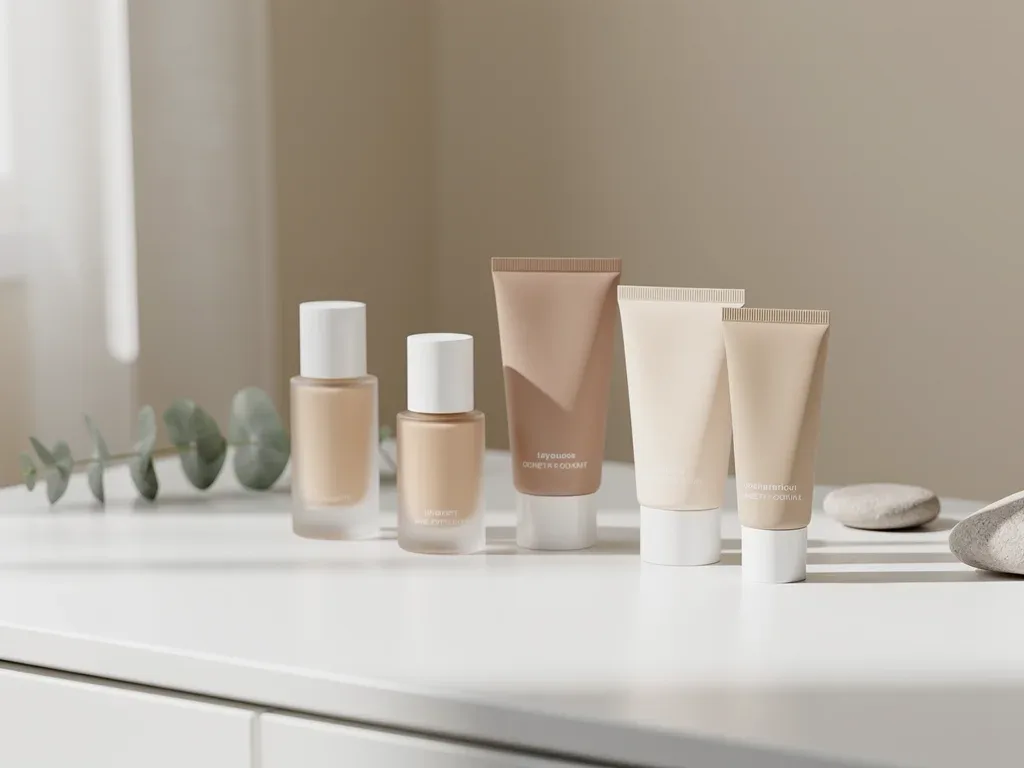
Cosmetic packaging can involve combinations of plastic, glass, metal, and other materials that require different disposal methods.
Refillable systems may reduce some packaging waste when they are designed and used effectively, although overall environmental impact depends on the product lifecycle.
When comparing clean long-wear foundations, shoppers can consider packaging alongside product quality, price, and personal preferences.
Clean Long-Wear Foundations: Key Considerations
The most suitable foundation depends on how well its coverage, texture, ingredients, and wear characteristics match individual needs.
Claims such as clean, non-comedogenic, and 16-hour wear should be interpreted according to the manufacturer's evidence and the product's actual formulation.
The following table summarizes important factors to consider when comparing clean long-wear foundations.
Key Point | Brief Description |
|---|---|
Clean Foundation Definition | A marketing category with definitions that vary by brand and retailer; ingredient transparency and product safety remain important. |
16-Hour Wear | Some products advertise extended wear, but duration and transfer resistance depend on the specific formula and testing conditions. |
Non-Pore Clogging | Non-comedogenic claims may help guide product selection but do not guarantee that breakouts will never occur. |
Market Impact | Consumer interest encourages greater attention to ingredient information, makeup performance, and product design. |
Frequently Asked Questions About Clean Foundations
What exactly does "clean foundation" mean?▼
Clean foundation is a marketing term commonly used for cosmetics that follow a brand's or retailer's particular ingredient standards. There is no single universally accepted definition of clean beauty in the United States. A clean label does not automatically mean a product is safer, non-comedogenic, or suitable for sensitive skin. Reviewing the complete formula is more informative.
How do these foundations achieve 16-hour transfer-resistant coverage?▼
Some long-wear foundations use film-forming ingredients, pigments, and other formulation technologies to help makeup remain in place and resist transfer. However, 16-hour performance is a product-specific claim that requires appropriate evidence. Results vary depending on skin type, application, humidity, oil production, and friction throughout the day.
Will a long-wear foundation clog my pores?▼
Not necessarily. Long-wear makeup does not automatically cause clogged pores, and some products are formulated or tested with acne-prone skin in mind. However, non-comedogenic labeling cannot guarantee that a person will never experience breakouts. Individual skin reactions, the full product formulation, and makeup removal habits all matter.
Are clean foundations suitable for sensitive skin?▼
Some foundations may be suitable for sensitive skin, but a clean label alone does not establish compatibility. Fragrances, botanical extracts, preservatives, and other ingredients can cause reactions in susceptible individuals. People with known sensitivities should review ingredient lists carefully and consider dermatologist guidance when appropriate.
Where can I find reliable information on clean beauty ingredients?▼
Official manufacturer websites, complete product ingredient labels, and reputable dermatology resources can provide useful information. Consumers can also consult the U.S. Food and Drug Administration for information about cosmetic regulation and labeling. Independent certifications may be relevant, but their specific standards should be verified before relying on their claims.
Conclusion: Choosing the Right Clean Long-Wear Foundation
Clean long-wear foundations offer a variety of finishes, textures, and coverage levels for consumers seeking makeup that fits their personal preferences.
The five formula categories discussed in this guide illustrate different approaches to achieving luminous, matte, hydrating, lightweight, and full-coverage results.
Rather than relying on promises of guaranteed 16-hour wear or completely pore-safe ingredients, consumers can make better choices by evaluating product-specific evidence, skin compatibility, and realistic performance expectations.